

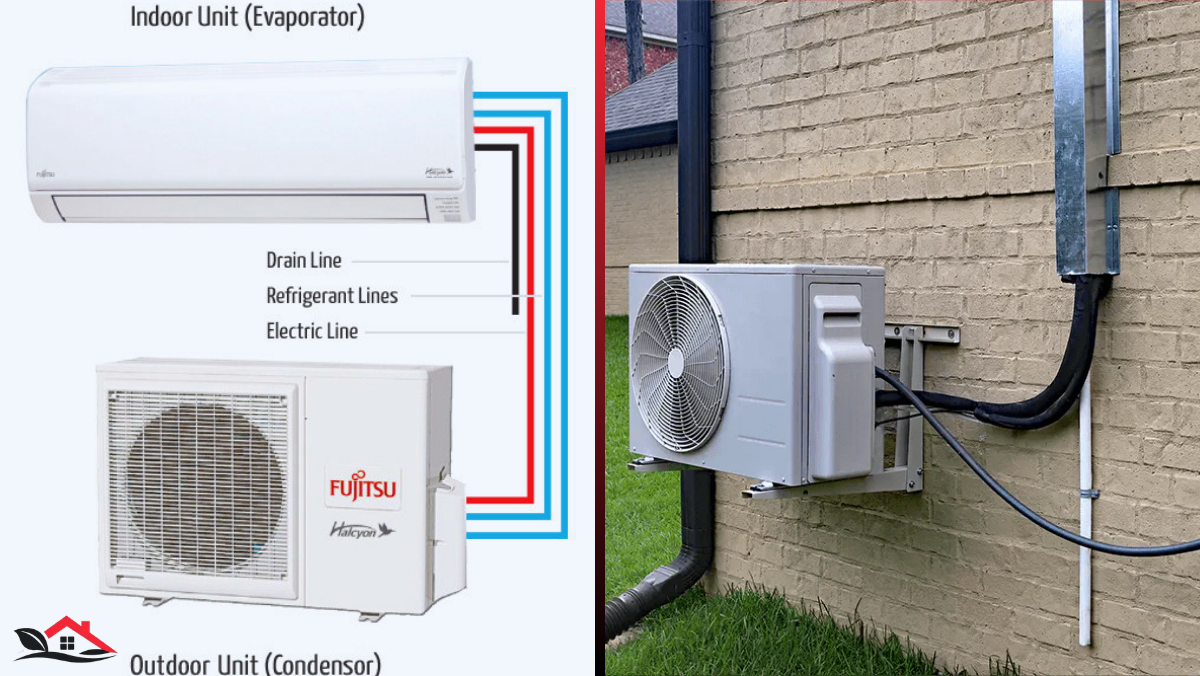
A split system HVAC is one of the most popular and reliable solutions for maintaining indoor comfort in homes and light commercial spaces. Whether you’re dealing with extreme summer heat or chilly winter nights, this system provides consistent temperature control with impressive efficiency.
In this comprehensive guide, you’ll learn everything you need to know about split system HVAC systems—from how they work and their components to their advantages, costs, and long-term value. This article is designed to help you make a confident, informed decision if you’re considering installing or upgrading your HVAC system.
What Is a Split System HVAC?
A split system HVAC is a heating and cooling system that is divided into two main parts: an indoor unit and an outdoor unit. These units work together to regulate indoor temperature, humidity, and air quality.
The indoor unit typically contains the evaporator coil and air handler or furnace, while the outdoor unit houses the compressor and condenser coil. These two units are connected by refrigerant lines, electrical wiring, and a condensate drain.
The “split” design allows the system to operate more efficiently and quietly compared to traditional single-unit systems.
How a Split System HVAC Works
Understanding how a split system HVAC works can help you appreciate why it is so effective.
Cooling Process
During cooling mode, the system removes heat from inside your home and transfers it outdoors:
- Warm indoor air is drawn into the system through return ducts
- The evaporator coil absorbs heat from the air
- Refrigerant carries the heat to the outdoor unit
- The condenser releases the heat outside
- Cooled air is circulated back into your living space
This continuous cycle keeps your indoor environment cool and comfortable.
Heating Process
In systems equipped with a heat pump, the process reverses during colder months:
- Heat is extracted from outdoor air
- The system transfers that heat indoors
- Warm air is distributed throughout your home
This makes a split system HVAC a versatile, year-round solution.
Main Components of a Split System HVAC
Indoor Unit
The indoor unit is responsible for air distribution and includes:
- Evaporator coil
- Air handler or furnace
- Blower fan
- Air filters
It is usually installed in a central location such as a utility room, attic, or basement.
Outdoor Unit
The outdoor unit handles heat exchange and contains:
- Compressor
- Condenser coil
- Fan
It is placed outside the building where it can easily release or absorb heat.
Refrigerant Lines
These lines connect the indoor and outdoor units and allow refrigerant to circulate between them, enabling heat transfer.
Thermostat
The thermostat controls the system by allowing you to set your desired temperature and manage operation cycles.
Types of Split System HVAC Systems
Central Split System HVAC
This is the most common type, using ductwork to distribute air throughout the home. It is ideal for larger spaces and provides consistent comfort.
Ductless Mini-Split Systems
These systems do not require ductwork and are perfect for:
- Older homes without ducts
- Room additions
- Zoned cooling and heating
Each indoor unit can be controlled independently.
Multi-Split Systems
A multi-split system connects multiple indoor units to a single outdoor unit, allowing different areas to have separate temperature settings.
Heat Pump Split Systems
These systems provide both heating and cooling and are known for their energy efficiency and environmental benefits.
Advantages of a Split System HVAC
Energy Efficiency
A split system HVAC is designed to minimize energy waste. Modern units with high efficiency ratings can significantly reduce electricity consumption and lower utility bills.
Quiet Operation
Since the compressor is located outside, indoor noise levels are minimal, making the system ideal for bedrooms and living areas.
Flexible Installation
Split systems can be installed in a variety of configurations, making them suitable for both new construction and retrofit projects.
Improved Indoor Air Quality
With built-in filtration systems, a split system HVAC helps remove dust, allergens, and pollutants from the air.
Zoned Comfort
Especially with ductless systems, you can control temperatures in individual rooms, improving comfort and efficiency.
Disadvantages of a Split System HVAC
Higher Initial Cost
Compared to basic cooling solutions like window units, a split system HVAC requires a higher upfront investment.
Professional Installation Required
Installation must be handled by trained technicians to ensure proper setup and optimal performance.
Maintenance Needs
Regular maintenance is necessary to keep the system running efficiently, including cleaning filters and checking refrigerant levels.
Space Considerations
Both indoor and outdoor units require adequate space for installation.
Split System HVAC vs Other Systems
Split System vs Packaged System
A split system HVAC separates components, while a packaged system houses everything in one unit. Split systems are typically quieter and more efficient.
Split System vs Window Air Conditioner
Window AC units are affordable and easy to install but are less efficient and suitable only for small spaces. Split systems provide whole-home comfort and better performance.
Split System vs Portable AC
Portable AC units are convenient but less powerful. A split system HVAC offers superior cooling capacity and long-term value.
Cost of a Split System HVAC
The cost of installing a split system HVAC varies depending on several factors:
Factors Affecting Cost
- System size and capacity
- Energy efficiency rating
- Number of indoor units
- Installation complexity
- Brand and features
Average Cost Range
- Entry-level systems: $3,000 – $5,000
- Mid-range systems: $5,000 – $8,000
- High-end systems: $8,000 – $12,000+
Although the initial investment is higher, energy savings over time can offset the cost.
Maintenance Tips for Split System HVAC
Proper maintenance is essential for performance and longevity.
Regular Maintenance Tasks
- Clean or replace air filters every 1–3 months
- Keep outdoor unit free from dirt and debris
- Check thermostat settings
- Inspect refrigerant lines
Professional Maintenance
Schedule annual servicing to:
- Clean coils
- Inspect electrical components
- Test system efficiency
Consistent maintenance can extend the lifespan of your split system HVAC and prevent costly repairs.
How to Choose the Right Split System HVAC
Determine the Right Size
Choosing the correct size is critical. A system that is too small won’t cool effectively, while one that is too large may cycle inefficiently.
Evaluate Energy Efficiency
Look for systems with high SEER ratings to maximize energy savings.
Consider Your Home Layout
- Ducted systems for whole-home coverage
- Ductless systems for targeted cooling
Check Features
Modern split systems may include:
- Smart thermostat compatibility
- Variable-speed compressors
- Advanced air filtration
Hire a Qualified Installer
Proper installation is key to system performance, so always work with experienced professionals.
Common Problems with Split System HVAC
Refrigerant Leaks
Leaks can reduce cooling efficiency and should be addressed immediately.
Frozen Coils
Often caused by restricted airflow or dirty filters.
Electrical Issues
Faulty wiring or worn components can disrupt operation.
Poor Airflow
Blocked ducts or dirty filters can limit performance.
Future Trends in Split System HVAC
The evolution of split system HVAC technology continues to improve efficiency and user experience.
Smart Integration
Systems can now be controlled via smartphones and integrated with smart home devices.
Inverter Technology
Variable-speed compressors adjust output based on demand, improving efficiency and comfort.
Eco-Friendly Refrigerants
New refrigerants are being developed to reduce environmental impact and comply with regulations.
Frequently Asked Questions About Split System HVAC
What is a split system HVAC?
A split system HVAC is a heating and cooling system with separate indoor and outdoor units that work together to regulate indoor temperature efficiently.
Is a split system HVAC suitable for large homes?
Yes, a properly sized system with ductwork can effectively cool and heat large homes.
How long does a split system HVAC last?
With proper maintenance, most systems last between 10 and 15 years.
Are split systems energy efficient?
Yes, especially modern systems with high efficiency ratings and inverter technology.
Do split system HVAC systems require ducts?
Some do (central systems), while others like mini-splits are ductless.
Conclusion
A split system HVAC is a dependable and efficient solution for modern heating and cooling needs. Its dual-unit design allows for better energy performance, quieter operation, and flexible installation options. Whether you’re upgrading your current system or installing one for the first time, a split system HVAC offers long-term comfort and value.
By understanding how these systems work, their benefits, and how to choose the right one, you can make a smart investment that enhances your indoor environment for years to come.
You May Also Read: The Home Gro
