

Introduction
Understanding the disadvantages of mini split systems is critical before committing to this increasingly popular heating and cooling solution. Ductless mini splits are often marketed as energy-efficient, flexible, and modern alternatives to traditional HVAC systems. While those claims are largely true, they only tell half the story.
In real-world applications, mini split systems come with several limitations that can impact cost, performance, comfort, and long-term usability. Many homeowners only become aware of these downsides after installation—when adjustments are expensive or inconvenient.
This comprehensive guide explores the disadvantages of mini split systems in depth, providing practical insights, technical explanations, and real-life considerations so you can make an informed decision.
High Upfront Installation Cost
One of the most noticeable disadvantages of mini split systems is their initial cost.
Why Mini Splits Are Expensive to Install
Unlike basic air conditioning units, mini splits involve:
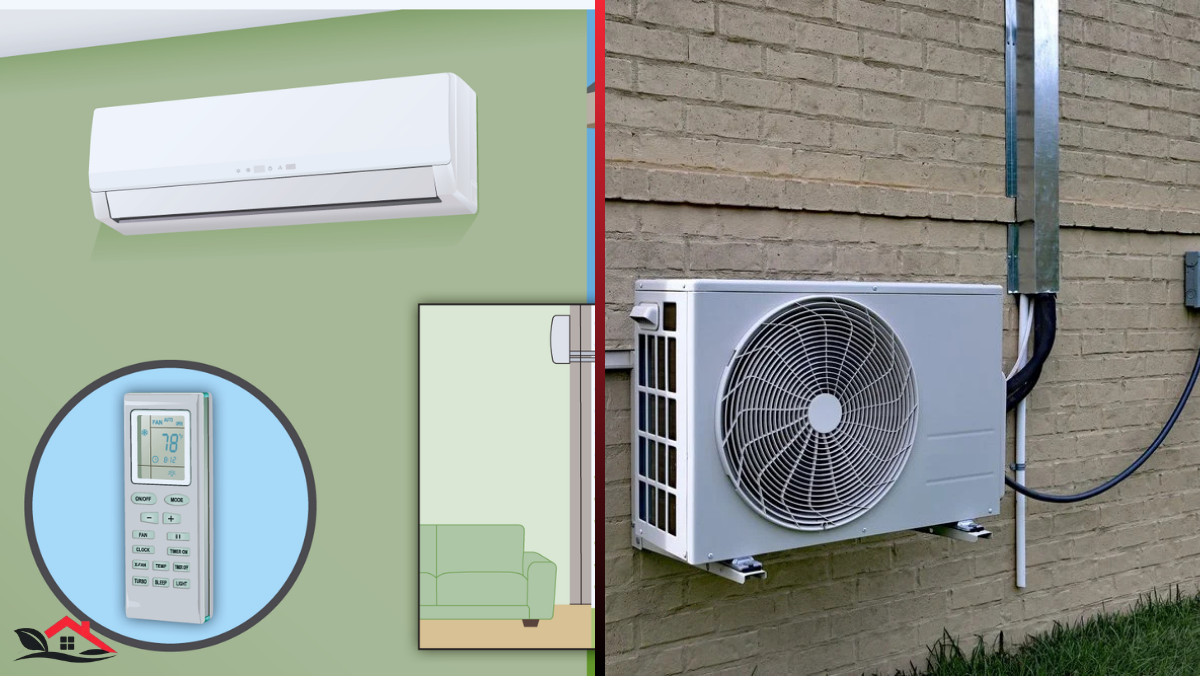
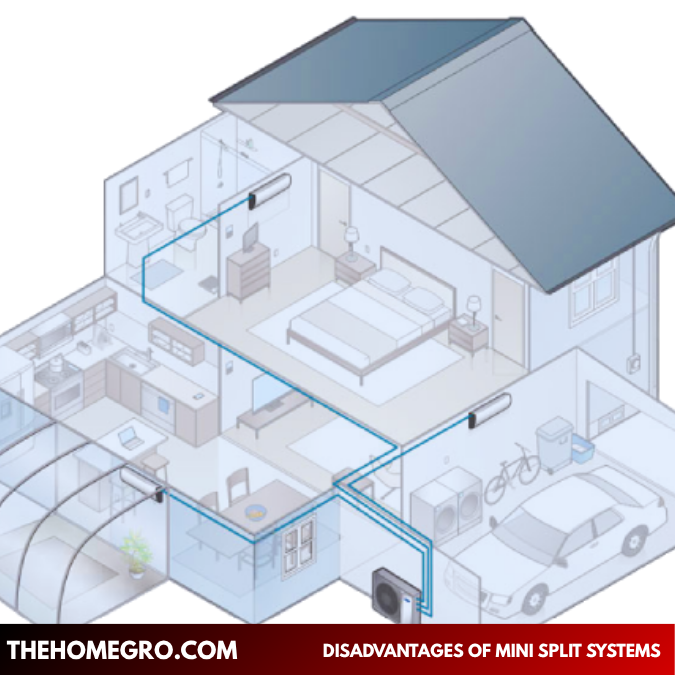
- Indoor air handling units for each room or zone
- An outdoor condenser unit
- Refrigerant lines connecting each indoor unit
- Electrical work and professional installation
A single-zone system may be affordable, but costs rise quickly with multiple rooms. A multi-zone setup can become significantly more expensive than a traditional central HVAC system.
Long-Term Cost Considerations
While energy efficiency can reduce utility bills over time, the payback period can be long, especially in moderate climates where heating and cooling demands are lower.
Limited Effectiveness in Large Homes
Mini split systems are designed for zoned temperature control, which becomes a disadvantage in larger homes.
The Zoning Limitation
Each indoor unit cools or heats a specific area. In a large home:
- Multiple indoor units are required
- Temperature consistency becomes harder to maintain
- Installation complexity increases
Practical Impact
In open-plan layouts or multi-story homes, achieving uniform comfort can be challenging. You may experience hot or cold spots unless the system is carefully designed and balanced.
Aesthetic Drawbacks
A frequently overlooked disadvantage of mini split systems is their visual impact on interior spaces.
Visible Indoor Units
Indoor units are typically mounted:
- High on walls
- Near ceilings
- In prominent locations
For homeowners who prioritize interior design, these units can feel intrusive and disrupt the room’s appearance.
Limited Design Flexibility
Although ceiling cassette and concealed options exist, they are:
- More expensive
- Not always compatible with all home structures
As a result, most installations rely on visible wall-mounted units.
Complex Installation Process
Despite not requiring ductwork, mini split systems are not simple to install.
Installation Challenges
- Accurate load calculations for each room
- Proper refrigerant line routing
- Electrical connections and safety compliance
- Wall drilling and mounting
Improper installation can lead to serious issues such as:
- Reduced efficiency
- Refrigerant leaks
- System malfunction
Importance of Professional Installation
DIY installation is not recommended for most users. Hiring certified technicians increases the overall cost but ensures proper system performance.
Increased Maintenance Requirements
Another key disadvantage of mini split systems is the ongoing maintenance burden.
Routine Maintenance Tasks
- Cleaning air filters every few weeks
- Inspecting indoor units for dust buildup
- Servicing the outdoor unit
- Checking drainage and refrigerant levels
Multi-Zone Maintenance Complexity
Each indoor unit requires individual attention. In homes with multiple zones, this means:
- More time spent on upkeep
- Higher maintenance costs
- Greater risk of neglecting certain units
Neglected maintenance can lead to reduced efficiency and poor air quality.
Lack of Fresh Air Ventilation
Mini split systems primarily recirculate indoor air, which can negatively impact indoor air quality.
Why Ventilation Matters
Fresh air exchange is important for:
- Removing indoor pollutants
- Reducing humidity buildup
- Maintaining a healthy living environment
The Limitation of Mini Splits
Most mini splits:
- Do not bring in outside air
- Rely on existing indoor air circulation
Without additional ventilation systems, this can result in stale or less healthy indoor air over time.
Performance Issues in Extreme Temperatures
Mini split systems can struggle in extreme weather conditions, which is an important consideration depending on your climate.
Cold Climate Limitations
- Reduced heating efficiency in very low temperatures
- Longer operating cycles to maintain warmth
High Heat Conditions
- May require additional units to handle intense heat
- Efficiency can decrease under heavy load
In regions with extreme climates, supplemental heating or cooling systems may be necessary.
Noise Concerns
Although mini splits are generally quieter than traditional HVAC systems, they are not completely silent.
Sources of Noise
- Indoor fan operation
- Outdoor compressor activity
- Vibrations due to improper installation
Real-World Impact
Even low-level noise can be noticeable in:
- Bedrooms during sleep
- Home offices requiring quiet environments
For noise-sensitive individuals, this can become a significant drawback.
System Complexity with Multiple Units
As more indoor units are added, the system becomes increasingly complex.
Challenges of Multi-Zone Systems
- Multiple remote controls or control interfaces
- Increased chances of technical issues
- More components that can fail over time
Troubleshooting becomes more complicated, especially if different zones experience different problems.
Repair Costs and Availability
Repairing mini split systems can sometimes be more expensive and time-consuming.
Key Repair Challenges
- Specialized parts may not be readily available
- Fewer technicians are trained compared to traditional HVAC systems
- Repairs often require brand-specific expertise
Long-Term Considerations
Delays in obtaining parts or service can lead to extended downtime, especially during peak seasons.
Risk of Improper Sizing
Proper sizing is crucial for mini split systems, and mistakes can lead to serious performance issues.
Common Sizing Problems
- Oversized units cause short cycling
- Undersized units struggle to maintain temperature
Consequences
- Higher energy consumption
- Reduced comfort
- Increased wear and tear on the system
Professional load calculations are essential to avoid these issues.
Drainage and Moisture Problems
Mini split systems produce condensation, which must be managed properly.
Potential Issues
- Blocked or improperly installed drain lines
- Water leakage from indoor units
- Moisture buildup inside walls
Risks
- Mold growth
- Structural damage
- Expensive repairs
Proper installation and regular maintenance are key to preventing these problems.
Limited Whole-Home Integration
Mini split systems are not always ideal for homeowners seeking a centralized HVAC solution.
Integration Limitations
- No unified air distribution system
- Inconsistent filtration across rooms
- Lack of centralized control in some setups
This can make managing indoor comfort more complicated compared to a traditional central HVAC system.
FAQs About Disadvantages of Mini Split Systems
What are the biggest disadvantages of mini split systems?
The biggest disadvantages of mini split systems include high upfront costs, visible indoor units, maintenance requirements, limited ventilation, and challenges in large homes.
Are mini split systems difficult to maintain?
Yes, especially in multi-zone setups. Each indoor unit requires regular cleaning and servicing, which increases maintenance effort.
Do mini split systems look unattractive?
They can be visually intrusive since indoor units are mounted on walls and remain visible in living spaces.
Are mini splits good for large houses?
They can work in large homes, but they require multiple units, making the system more complex and expensive.
Do mini split systems bring in fresh air?
No, most systems recirculate indoor air and do not provide fresh air unless paired with a separate ventilation system.
Conclusion
The disadvantages of mini split systems highlight the importance of careful planning before installation. While these systems offer flexibility and energy efficiency, they are not without trade-offs.
From high installation costs and visual impact to maintenance demands and limited ventilation, mini splits are best suited for specific situations rather than universal use.
For smaller homes, room additions, or properties without existing ductwork, they can be an excellent choice. However, for larger homes or homeowners seeking a fully integrated HVAC solution, the limitations may outweigh the benefits.
A well-informed decision starts with understanding both sides. By carefully evaluating these disadvantages, you can choose a system that aligns with your comfort, budget, and long-term expectations.
You May Also Read: The Home Gro
