

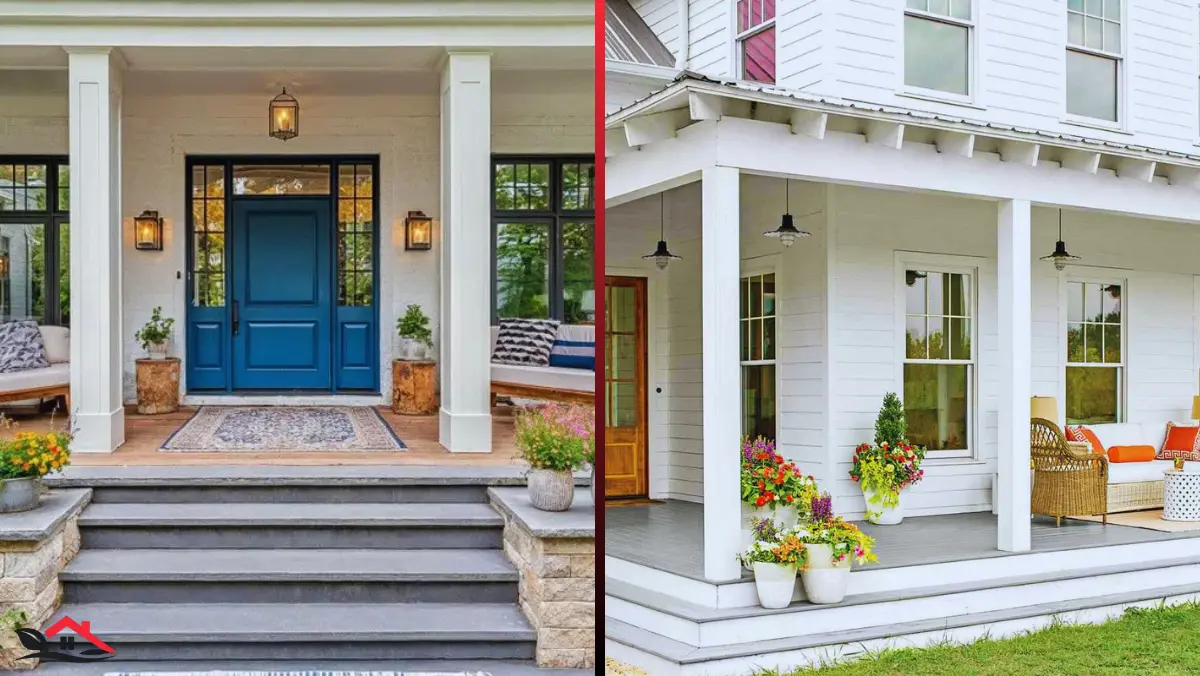
Porch designs play a crucial role in shaping the overall look, feel, and functionality of a home. More than just an entryway, a well-designed porch serves as a transitional space between indoors and outdoors, offering comfort, style, and usability. Whether you want a cozy spot to relax, a welcoming area for guests, or an extension of your living space, thoughtful porch designs can completely transform your home’s exterior.
In this in-depth guide, we’ll explore everything you need to know about porch designs—from types and styles to materials, layouts, and expert tips—so you can create a space that is both beautiful and practical.
Why Porch Designs Are Important
Porch designs are one of the most visible elements of a home. They contribute significantly to curb appeal and often form the first impression visitors have. But their importance goes beyond aesthetics.
A well-planned porch can:
- Increase property value
- Provide a functional outdoor living area
- Improve ventilation and natural light
- Offer a comfortable place for relaxation or socializing
Modern porch designs are now seen as extensions of indoor living spaces, blending comfort with outdoor charm.
Types of Porch Designs
Front Porch Designs
Front porch designs are the most common and impactful. Positioned at the main entrance, they define the home’s personality.
Typical features include:
- Symmetrical layouts
- Seating areas like chairs or benches
- Decorative railings and columns
A front porch creates a welcoming atmosphere and enhances the home’s exterior appeal.
Back Porch Designs
Back porch designs are usually more private and versatile. They are ideal for:
- Family gatherings
- Outdoor dining
- Relaxation
These porches often include larger seating areas, grills, or even outdoor kitchens, making them perfect for entertaining.
Wraparound Porch Designs
Wraparound porch designs extend along two or more sides of a house. They offer:
- Expanded outdoor space
- Better airflow
- Multiple seating zones
These designs are popular in larger homes and traditional architectural styles.
Screened-In Porch Designs
Screened-in porch designs provide protection from insects while allowing fresh air to circulate. They are ideal for:
- Year-round use
- Comfortable lounging without pests
- Added privacy
Many homeowners also add fans or heaters to enhance usability in different seasons.
Small Porch Designs
Small porch designs require creativity and smart planning. Even limited space can feel inviting with:
- Compact furniture
- Vertical storage or decor
- Minimalist styling
A small porch can still make a big visual impact when designed thoughtfully.
Key Elements of Successful Porch Designs
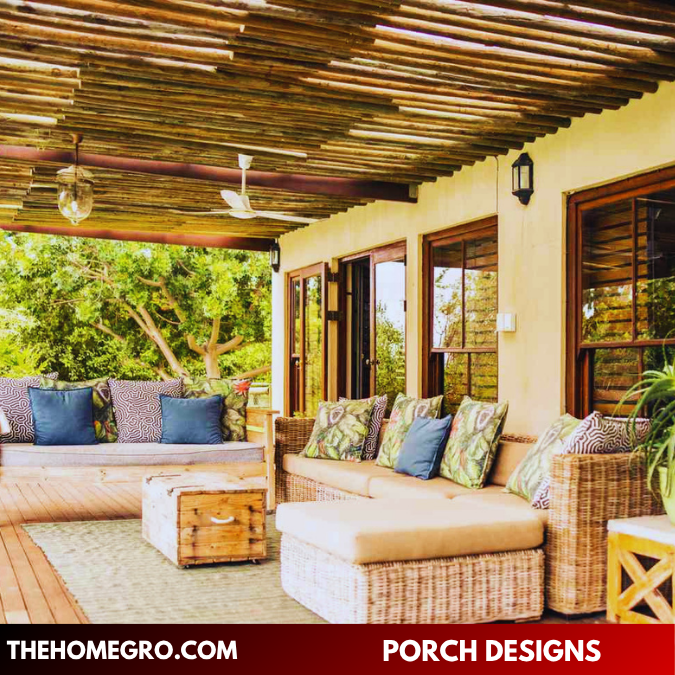
Layout and Space Planning
A functional layout is the foundation of effective porch designs. Think about how you’ll use the space and divide it accordingly.
Common zones include:
- Entryway area
- Seating or lounging space
- Decorative or plant zones
Proper planning ensures the porch is both practical and visually balanced.
Furniture Selection
Furniture should be comfortable, durable, and proportionate to the space.
Best choices include:
- Weather-resistant materials like wicker or metal
- Cushioned seating for comfort
- Multi-functional pieces for smaller porches
Avoid overcrowding the space with too many items.
Flooring Options
Flooring plays a major role in both aesthetics and durability.
Popular choices for porch designs include:
- Wood decking for a natural look
- Concrete for affordability and strength
- Stone or tile for a more upscale appearance
Adding an outdoor rug can enhance warmth and style.
Lighting Design
Lighting is essential for both functionality and ambiance.
Types of lighting to consider:
- Overhead fixtures for general illumination
- String lights for a cozy atmosphere
- Wall sconces for entryways
Well-planned lighting allows the porch to be used during evening hours.
Color Scheme and Materials
The right color palette can elevate porch designs instantly.
Trending options include:
- Neutral tones like beige, gray, and white
- Earthy shades like terracotta and olive green
- Natural materials such as wood and rattan
Consistency in color and materials helps create a cohesive look.
Popular Porch Design Styles
Modern Porch Designs
Modern porch designs focus on simplicity and clean lines.
Key characteristics:
- Minimal decor
- Neutral color palettes
- Sleek furniture and materials
These designs work well with contemporary homes.
Farmhouse Porch Designs
Farmhouse porch designs emphasize warmth and comfort.
Features include:
- Wooden rocking chairs
- Soft textiles
- Rustic accents
This style creates a cozy and inviting atmosphere.
Traditional Porch Designs
Traditional porch designs rely on classic elements such as:
- Columns
- Railings
- Symmetrical layouts
They are timeless and suit many architectural styles.
Coastal Porch Designs
Coastal porch designs bring a relaxed, beach-inspired vibe.
Typical elements:
- Light colors like white and blue
- Natural textures
- Open, airy layouts
These designs are perfect for creating a calm and refreshing space.
Rustic Porch Designs
Rustic porch designs highlight natural beauty.
Common features:
- Exposed wood
- Stone accents
- Vintage or handcrafted furniture
They create a warm and grounded feel.
Porch Designs for Different Climates
Porch Designs for Hot Climates
In warmer regions, porch designs should focus on cooling and comfort.
Tips include:
- Installing ceiling fans
- Using light-colored materials
- Adding shade structures like pergolas
Proper ventilation is key to maintaining a comfortable environment.
Porch Designs for Cold Climates
In colder areas, durability and insulation are essential.
Consider:
- Enclosed porches
- Outdoor heaters
- Wind-blocking features
These elements help extend the usability of the porch throughout the year.
Latest Trends in Porch Designs
Multifunctional Spaces
Modern porch designs are increasingly designed for multiple purposes, such as relaxing, dining, and entertaining in one area.
Indoor-Outdoor Integration
Homeowners are blending interior and exterior spaces by using similar furniture, colors, and materials.
Minimalist Approach
Less is more in current porch designs. Clean layouts with carefully chosen decor create a refined look.
Nature-Inspired Elements
Natural textures, greenery, and organic materials are becoming essential components of modern porch designs.
Smart Features
Technology is also influencing porch designs, with features like smart lighting and outdoor speakers becoming more common.
Budget-Friendly Porch Design Ideas
Creating beautiful porch designs doesn’t have to be expensive.
Affordable ideas include:
- Adding throw pillows or cushions
- Using string lights for ambiance
- Incorporating plants or flowers
- Repainting furniture or flooring
Small updates can make a big difference without requiring a large investment.
Common Mistakes to Avoid in Porch Designs
Overcrowding the Space
Too much furniture or decor can make the porch feel cramped.
Ignoring Functionality
A porch should be comfortable and usable, not just visually appealing.
Poor Lighting Choices
Inadequate or harsh lighting can reduce the usability of the space.
Mismatched Design Elements
Inconsistent styles, colors, or materials can disrupt the overall look.
How to Choose the Right Porch Design
Selecting the right porch design depends on several factors.
Consider Your Home’s Architecture
The porch should complement the overall style of the house.
Think About Your Lifestyle
Determine how you plan to use the space—relaxing, entertaining, or both.
Evaluate Available Space
Choose a design that fits the size and layout of your porch.
Set a Realistic Budget
Prioritize essential features and plan upgrades accordingly.
Expert Tips for Perfect Porch Designs
- Start with a clear layout plan
- Invest in quality furniture
- Use layered lighting for depth
- Add greenery for freshness
- Keep the design simple and cohesive
These tips ensure that your porch designs are both stylish and practical.
FAQ About Porch Designs
What are the best porch designs for small homes?
Small porch designs with compact furniture, vertical decor, and minimalist layouts work best for limited spaces.
How can I improve my porch design on a budget?
You can enhance porch designs by adding cushions, lighting, plants, and simple decor updates without major renovations.
Which materials are best for porch designs?
Wood, concrete, and stone are popular choices due to their durability and aesthetic appeal.
Are modern porch designs better than traditional ones?
It depends on personal preference and home style. Modern porch designs offer simplicity, while traditional ones provide timeless charm.
How do I maintain porch designs?
Regular cleaning, weatherproof materials, and seasonal updates help keep porch designs looking fresh and functional.
Conclusion
Porch designs have become an essential aspect of modern home planning. They are no longer just entry points but versatile spaces that enhance both lifestyle and property value. From small, cozy porches to expansive wraparound designs, the possibilities are endless.
The key to successful porch designs lies in balancing style, comfort, and functionality. By choosing the right layout, materials, and decor, you can create a space that reflects your personality while serving practical needs.
Whether you’re building a new porch or upgrading an existing one, thoughtful design choices will ensure your porch becomes a welcoming and enjoyable part of your home for years to come.
You May Also Read: The Home Gro
