

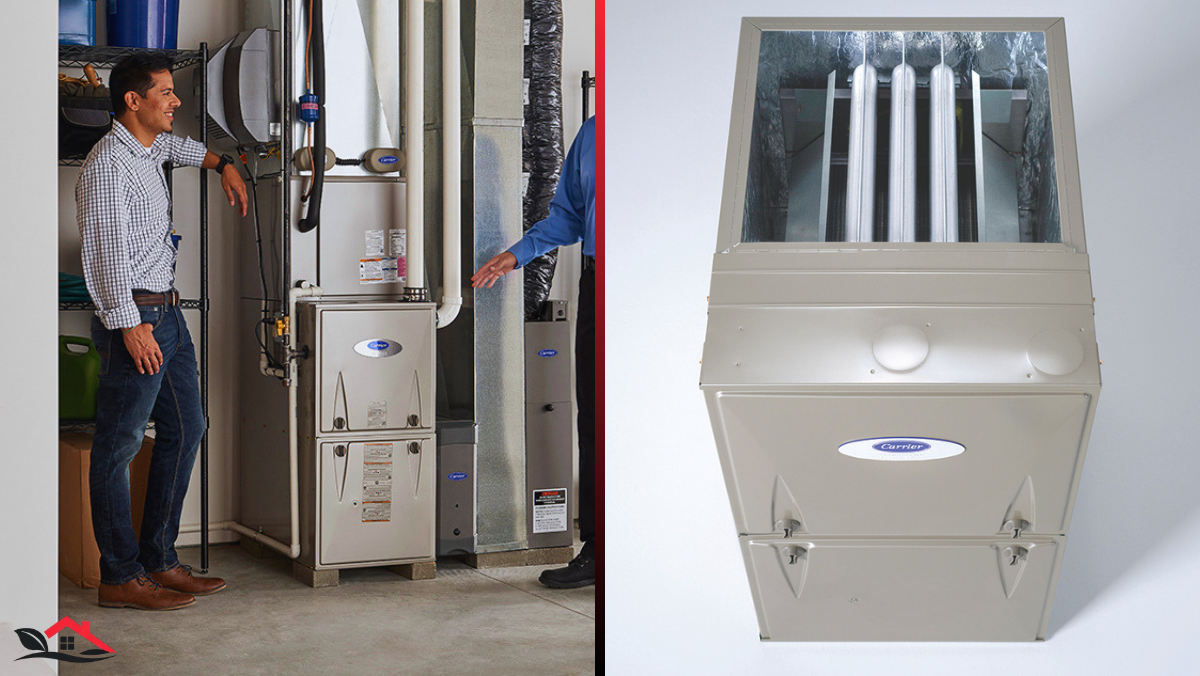
If you’re planning to upgrade your heating system, one of the first questions you’ll ask is: how much does a new furnace cost? It’s a practical concern, and the answer isn’t one-size-fits-all. Furnace prices vary widely based on the type of system, energy efficiency, installation complexity, and even where you live.
In 2026, most homeowners can expect to spend between $3,000 and $8,000 for a fully installed furnace, though the total can be lower or significantly higher depending on specific needs. Understanding what goes into that price is essential if you want to make a smart, long-term investment.
This in-depth guide walks you through everything you need to know—from average costs and furnace types to hidden expenses and ways to save money.
How Much Does a New Furnace Cost on Average?
When evaluating how much does a new furnace cost, it helps to break the total into two main components: the furnace unit itself and the installation.
Average Total Cost
- Low-end systems: $1,600 – $3,000
- Mid-range systems: $3,000 – $8,000
- High-end systems: $8,000 – $14,000+
For most homes, the average total cost lands around $4,500 to $6,500 installed.
What’s Included in the Cost?
A standard furnace installation typically includes:
- The furnace unit
- Labor and installation
- Removal of the old furnace
- Basic duct connection and setup
- Initial system testing
However, more complex installations can push the cost higher, especially if upgrades are needed.
Furnace Cost by Type
One of the biggest factors influencing how much does a new furnace cost is the type of furnace you choose. Each fuel type comes with different upfront and long-term costs.
Gas Furnace
Gas furnaces are the most common option in many regions.
- Cost: $3,800 – $10,000 installed
- Pros: Efficient, lower operating costs, powerful heating
- Cons: Requires gas line and ventilation
Gas furnaces are often the best balance between upfront cost and long-term efficiency.
Electric Furnace
Electric furnaces are typically cheaper to install.
- Cost: $2,000 – $7,000 installed
- Pros: Lower upfront cost, simple installation
- Cons: Higher electricity costs over time
They’re often used in warmer climates or smaller homes.
Oil Furnace
Oil furnaces are less common but still used in certain areas.
- Cost: $6,000 – $10,000+ installed
- Pros: Strong heating output
- Cons: Higher fuel and maintenance costs
Propane Furnace
Propane furnaces are similar to gas systems but rely on stored fuel.
- Cost: $3,700 – $14,000 installed
- Pros: Good for areas without natural gas
- Cons: Fuel cost can fluctuate
How Home Size Affects Furnace Cost
Another key factor in determining how much does a new furnace cost is the size of your home. Larger homes require more powerful furnaces, which increases both equipment and installation costs.
Furnace Sizing (BTUs)
- Small homes (under 1,000 sq. ft.): 40,000–60,000 BTUs
- Medium homes (1,000–2,000 sq. ft.): 60,000–100,000 BTUs
- Large homes (2,000+ sq. ft.): 100,000–140,000+ BTUs
Installing the correct size furnace is critical. An undersized unit won’t heat effectively, while an oversized unit wastes energy and increases wear and tear.
Efficiency Ratings and Their Impact on Cost
Efficiency plays a major role in both the upfront and long-term cost of a furnace.
Understanding AFUE Ratings
AFUE (Annual Fuel Utilization Efficiency) measures how efficiently a furnace converts fuel into heat.
- Standard efficiency: 80%–89%
- High efficiency: 90%–98%
Cost vs. Savings
High-efficiency furnaces typically cost more upfront—often $1,000 to $2,500 more than standard models. However, they can significantly reduce monthly energy bills, especially in colder climates.
Over time, these savings can offset the higher purchase price, making them a smart long-term investment.
Installation Costs Explained
Installation is often the most overlooked part when considering how much does a new furnace cost, but it can make up a large portion of the total price.
Typical Installation Costs
- Basic installation: $500 – $1,500
- Complex installation: $1,500 – $3,500+
What Increases Installation Costs?
- Installing new ductwork
- Upgrading electrical or gas connections
- Modifying ventilation systems
- Limited access (attics, crawl spaces)
- Removing old or hazardous equipment
A straightforward replacement is usually affordable, but major upgrades can significantly increase the total cost.
Additional Costs to Consider
When budgeting for a new furnace, it’s important to account for potential extras.
Common Additional Expenses
- Thermostat upgrade: $100 – $300
- Smart thermostat: $200 – $500
- Ductwork repair or replacement: $1,000 – $5,000+
- Air filtration systems: $300 – $1,500
- Permits and inspections: Varies by location
These additional costs can push your total higher, but they often improve system performance and comfort.
What Factors Affect How Much a New Furnace Costs?
Several variables determine the final cost of your furnace.
1. Furnace Size
Larger systems cost more due to higher heating capacity.
2. Energy Efficiency
Higher efficiency models cost more upfront but save money over time.
3. Fuel Type
Gas, electric, oil, and propane all have different cost structures.
4. Installation Complexity
Homes requiring upgrades or modifications will have higher installation costs.
5. Features and Technology
Advanced features can increase cost but improve comfort:
- Variable-speed blowers
- Zoned heating
- Smart home compatibility
Repair vs. Replacement: Making the Right Decision
Sometimes replacing a furnace isn’t the only option.
When Replacement Makes Sense
- Furnace is 15–20 years old
- Frequent repairs are needed
- Energy bills are rising
- Major components fail
When Repair Is Enough
- Minor issues like thermostat or ignitor problems
- System is relatively new
- Repair cost is low
A good rule of thumb: if repair costs exceed 50% of replacement cost, replacement is usually the better choice.
How to Save Money on a New Furnace
If you’re worried about how much does a new furnace cost, there are several ways to reduce expenses without compromising quality.
Smart Ways to Save
- Get quotes from multiple contractors
- Choose mid-range efficiency for balance
- Look for rebates and incentives
- Install during the off-season
- Bundle furnace with AC installation
Planning your purchase strategically can save you a significant amount.
Real-World Example of Furnace Cost
Let’s look at a realistic scenario:
Home size: 1,800 sq. ft.
System: Gas furnace (92% efficiency)
Installation: Standard replacement
Estimated Breakdown
- Furnace unit: $2,500 – $4,000
- Installation: $1,500 – $3,000
- Total: $4,000 – $7,000
This reflects what many homeowners actually pay.
Frequently Asked Questions
How much does a new furnace cost in 2026?
The average cost ranges between $3,000 and $8,000, depending on system type, efficiency, and installation requirements.
What is the cheapest furnace option?
Electric furnaces are typically the least expensive upfront, starting around $2,000 installed, but they may cost more to operate.
Why is furnace installation expensive?
Installation involves labor, system design, safety compliance, and sometimes major home modifications, all of which add to the cost.
How long does a furnace last?
Most furnaces last 15 to 20 years with proper maintenance.
Is a high-efficiency furnace worth it?
Yes, especially for colder climates. It reduces energy costs and improves overall comfort over time.
Conclusion
So, how much does a new furnace cost? While the typical range falls between $3,000 and $8,000, your final price depends on several factors, including furnace type, efficiency, home size, and installation complexity.
A furnace isn’t just another household expense—it’s a long-term investment in your home’s comfort and energy efficiency. By understanding the cost breakdown and making informed decisions, you can choose a system that meets your needs without overspending.
Take the time to evaluate your options carefully, and you’ll end up with a furnace that delivers reliable performance for years to come.
You May Also Read: The Home Gro
