

Introduction to Power Efficient AC
A power efficient AC has become essential in today’s world, where electricity costs continue to rise and temperatures are becoming increasingly extreme. For households and businesses alike, air conditioning is no longer optional during hot seasons—but running a conventional system can lead to shockingly high utility bills.
This is where power efficient AC systems stand out. Designed to optimize cooling performance while minimizing electricity consumption, these modern air conditioners offer a practical solution for balancing comfort and cost. Whether you’re upgrading an old unit or buying one for the first time, understanding how these systems work and what makes them efficient can save you money for years to come.
This in-depth guide covers everything you need to know—from core technology and benefits to selection tips and real-world usage strategies.
What Is a Power Efficient AC?
A power efficient AC is an air conditioning unit engineered to deliver maximum cooling with minimal energy usage. Unlike older models that run at a constant speed and frequently switch on and off, these systems adapt their performance based on the room’s cooling needs.
The result is a more stable indoor temperature, less wasted energy, and lower operational costs.
Key Features of Power Efficient AC
- Intelligent cooling based on room conditions
- Reduced electricity consumption
- Smooth and consistent temperature control
- Lower noise levels
- Enhanced durability
These systems are particularly valuable in regions where air conditioners are used for long hours daily.
How Power Efficient AC Technology Works
Understanding the technology behind a power efficient AC helps explain why these units are significantly more efficient than traditional models.
Inverter Technology
The most important advancement in modern AC systems is inverter technology. Instead of turning the compressor on and off repeatedly, an inverter AC adjusts its compressor speed continuously.
When the room reaches the desired temperature, the compressor slows down rather than shutting off. This prevents energy spikes and keeps cooling consistent.
Variable Speed Operation
A variable-speed compressor ensures that the system only uses as much power as needed. For example:
- High speed when cooling is required quickly
- Low speed to maintain temperature
This flexibility reduces energy waste and improves overall efficiency.
Smart Sensors and Automation
Modern units are equipped with sensors that monitor temperature, humidity, and even occupancy. These sensors allow the AC to:
- Adjust cooling automatically
- Avoid unnecessary operation
- Maintain comfort without manual intervention
Types of Power Efficient AC Systems
Choosing the right type of power efficient AC is crucial for maximizing performance and savings.
Split Air Conditioners
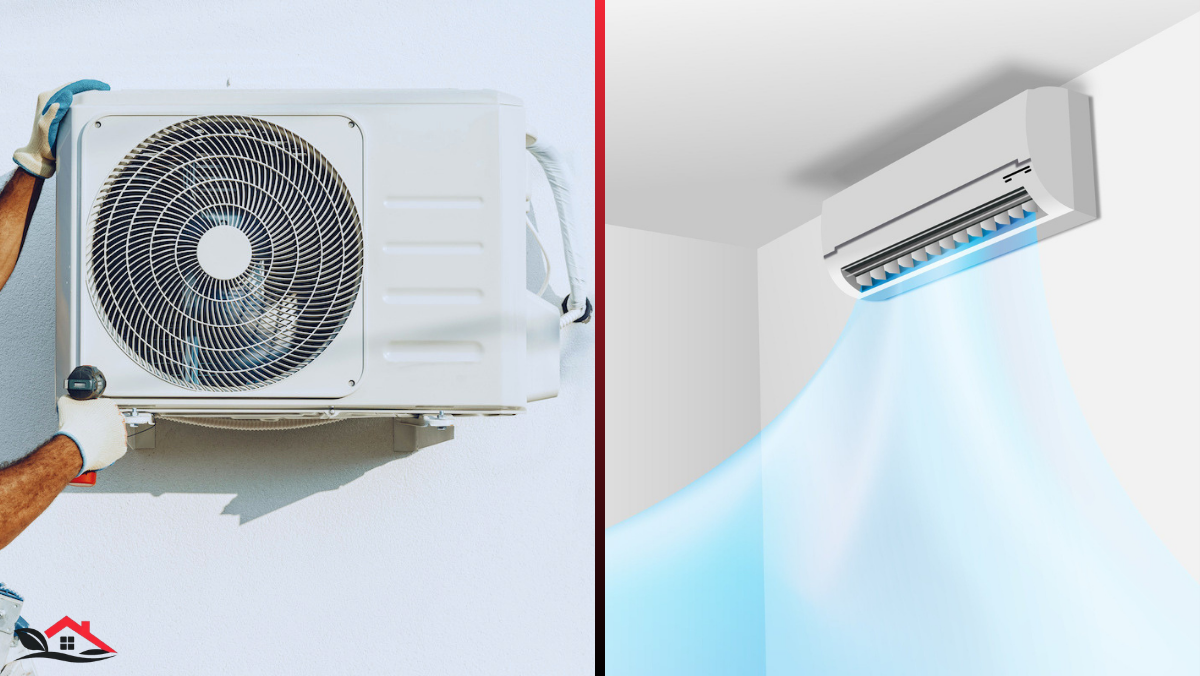
Split AC systems are widely used in homes and offices. They consist of an indoor unit and an outdoor compressor, offering efficient cooling with minimal noise.
They are considered one of the best options for long-term energy efficiency.
Inverter Air Conditioners
Inverter ACs are the most popular form of power efficient AC. Their ability to regulate compressor speed makes them significantly more efficient than traditional units.
Central Air Conditioning Systems
Central systems are ideal for large buildings. While they can be efficient, their performance depends on proper installation and insulation.
Portable and Window Units
These are generally less efficient and better suited for temporary use or smaller spaces.
Benefits of Using a Power Efficient AC
Reduced Electricity Bills
The most noticeable advantage is lower energy consumption. Over time, this can lead to substantial savings, especially in hot climates where AC usage is frequent.
Improved Comfort
Power efficient AC systems maintain a stable temperature without frequent fluctuations, creating a more comfortable indoor environment.
Environmentally Friendly
Lower energy usage means reduced carbon emissions, making these systems a more sustainable choice.
Longer Lifespan
Since the compressor doesn’t constantly turn on and off, the system experiences less wear and tear.
Quiet Operation
Modern AC units operate more quietly, making them ideal for bedrooms and workspaces.
Key Factors to Consider When Buying a Power Efficient AC
Energy Efficiency Ratings
Always check ratings such as EER (Energy Efficiency Ratio) or SEER (Seasonal Energy Efficiency Ratio). Higher ratings indicate better efficiency.
Capacity (Tonnage)
Selecting the correct size is critical:
- Small unit → Overworks and consumes more power
- Large unit → Cycles frequently and wastes energy
Climate Compatibility
In extremely hot regions, choose units designed for high ambient temperatures.
Additional Features
Look for features such as:
- Eco mode
- Sleep mode
- Wi-Fi connectivity
- Air purification filters
Power Efficient AC vs Conventional AC
Energy Usage
Traditional ACs operate at fixed speeds and consume more electricity due to constant on/off cycles. Power efficient ACs adjust their speed to match cooling needs.
Performance
Power efficient systems provide smoother and more consistent cooling.
Cost Comparison
While power efficient AC units may cost more initially, they save money over time through reduced electricity bills.
Real-Life Example of Energy Savings
Consider two households using air conditioning daily:
- Household A uses a conventional AC
- Household B uses a power efficient AC
Over a month, Household B can save a significant percentage on electricity bills due to optimized power usage. Over a year, these savings can offset the higher purchase cost of the efficient unit.
Cost of Power Efficient AC
The price of a power efficient AC varies depending on brand, features, and capacity.
General Price Range
- Basic models: Affordable but limited features
- Mid-range models: Balanced performance and cost
- Premium models: Advanced technology and maximum efficiency
While upfront costs may be higher, the long-term savings justify the investment.
Installation and Maintenance Tips
Proper Installation
Incorrect installation can reduce efficiency significantly. Always ensure professional setup.
Regular Cleaning
Clean filters regularly to maintain airflow and efficiency.
Annual Servicing
Routine maintenance helps identify issues early and keeps the system running efficiently.
Tips to Maximize Efficiency
Set the Right Temperature
Keeping your AC at 24–26°C ensures comfort while saving energy.
Use Curtains and Blinds
Blocking direct sunlight reduces the cooling load.
Seal Air Leaks
Prevent cool air from escaping by sealing windows and doors.
Use Fans Alongside AC
Fans help distribute cool air, reducing the AC’s workload.
Turn Off When Not Needed
Avoid running the AC unnecessarily.
Common Mistakes to Avoid
Oversizing or Undersizing the Unit
Incorrect sizing leads to inefficient performance.
Ignoring Maintenance
Dirty filters and coils increase energy consumption.
Poor Placement
Installing the indoor unit in direct sunlight reduces efficiency.
Overcooling the Room
Setting very low temperatures wastes electricity without improving comfort.
Future of Power Efficient AC Technology
Smart AI Integration
Future AC systems will learn user preferences and adjust settings automatically.
Solar-Powered Systems
Solar-compatible AC units are becoming more popular for reducing dependence on electricity grids.
Advanced Refrigerants
Eco-friendly refrigerants are being developed to improve efficiency and reduce environmental impact.
FAQ About Power Efficient AC
What is a power efficient AC?
A power efficient AC is an air conditioner designed to minimize electricity consumption while delivering effective cooling.
How much energy can it save?
It can reduce energy consumption by 30% to 60%, depending on the model and usage.
Is inverter AC better?
Yes, inverter ACs are more efficient because they adjust compressor speed instead of turning on and off repeatedly.
Are power efficient ACs expensive?
They have a higher upfront cost but save money in the long run through lower electricity bills.
How do I choose the right size?
The correct size depends on room dimensions, insulation, and climate conditions.
Conclusion
A power efficient AC is a smart investment for anyone looking to balance comfort with cost savings. With advanced technologies like inverter compressors, smart sensors, and eco-friendly features, these systems deliver superior performance while consuming less energy.
Although the initial cost may be higher, the long-term benefits—lower electricity bills, improved comfort, and reduced environmental impact—make it a worthwhile choice. By selecting the right unit, installing it properly, and maintaining it regularly, you can enjoy efficient cooling for years to come.
In an era where energy efficiency matters more than ever, upgrading to a power efficient AC is not just a convenience—it’s a necessity.
You May Also Read: The Home Gro
