

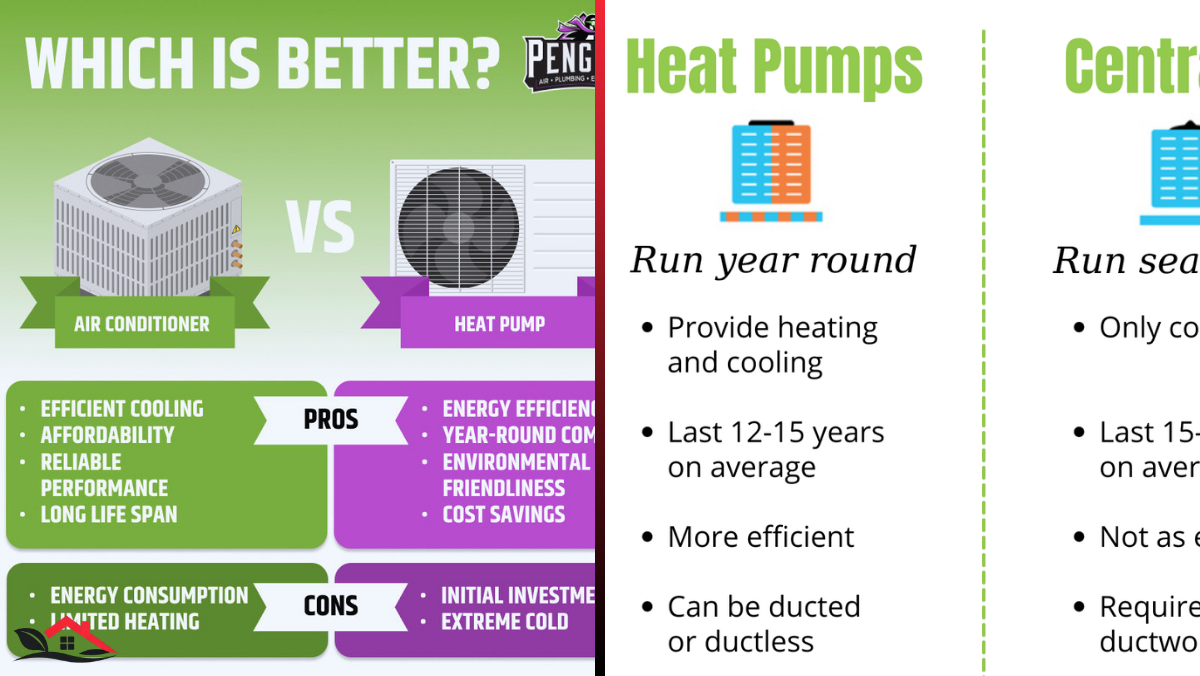
Choosing between a heat pump vs air conditioner is not just about cooling your home—it’s about long-term comfort, energy efficiency, and total cost of ownership. Many homeowners assume these systems are interchangeable, but while they share similarities, their functionality and value differ significantly depending on your needs and climate.
This comprehensive guide explains everything in detail, helping you understand the real-world differences, benefits, and limitations of each system so you can make the right decision with confidence.
What Is the Difference Between Heat Pump vs Air Conditioner?
At a glance, a heat pump and an air conditioner look almost identical. Both use refrigerant, compressors, and coils to regulate indoor temperature. The key difference lies in what they can do beyond cooling.
Heat Pump Overview
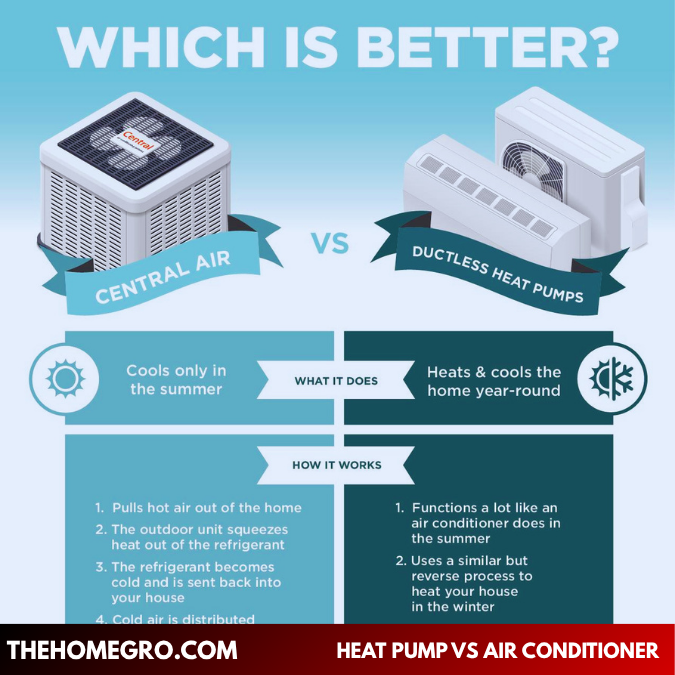
A heat pump is a dual-purpose system that provides both heating and cooling. Instead of generating heat, it transfers heat from one place to another.
- In summer: removes heat from inside your home
- In winter: pulls heat from outside air and brings it indoors
This makes it a year-round climate control solution.
Air Conditioner Overview
An air conditioner is designed strictly for cooling.
- It removes indoor heat and releases it outside
- It cannot provide heating
- It must be paired with a furnace or another heating system
How Heat Pump vs Air Conditioner Systems Work
Understanding how these systems operate helps clarify why their performance differs in certain conditions.
Cooling Mode: Nearly Identical Performance
When comparing heat pump vs air conditioner in cooling mode, both systems function in almost the same way:
- Warm indoor air is absorbed
- Heat is transferred through refrigerant
- Heat is released outside
This means you can expect similar cooling efficiency and comfort levels from both systems.
Heating Mode: The Critical Advantage of Heat Pumps
A heat pump includes a reversing valve that allows it to switch directions.
- It extracts heat from outdoor air—even in cool temperatures
- It transfers that heat indoors
An air conditioner lacks this feature, so it cannot provide heating.
Energy Efficiency: Heat Pump vs Air Conditioner
Energy efficiency is one of the biggest deciding factors for homeowners.
Cooling Efficiency
In terms of cooling:
- Both systems are highly efficient
- Modern units use advanced compressors and smart controls
- There is little difference in electricity usage during cooling
Heating Efficiency
This is where heat pumps stand out.
- Heat pumps move heat rather than generate it
- They can deliver up to 3 times more heat energy than the electricity they consume
However:
- Efficiency drops in extremely cold temperatures
- Supplemental heating may be required in colder regions
Cost Comparison: Heat Pump vs Air Conditioner
Understanding both upfront and long-term costs is essential.
Installation Costs
- Heat pump: higher initial investment
- Air conditioner: lower upfront cost
A heat pump replaces both cooling and heating systems, which explains the higher price.
Operating Costs
- Heat pump: lower energy bills over time, especially in mild climates
- Air conditioner: higher total cost when paired with a separate heating system
Maintenance Costs
- Heat pump: requires more frequent servicing due to year-round use
- Air conditioner: less wear and tear since it runs seasonally
Climate Suitability: Which System Works Best?
Your local climate plays a major role in deciding between a heat pump vs air conditioner.
Best Conditions for Heat Pumps
Heat pumps perform best in:
- Mild winters
- Moderate climates
- Regions where temperatures rarely drop below freezing
In such conditions, they provide efficient heating without needing backup systems.
Best Conditions for Air Conditioners
Air conditioners are ideal for:
- Hot climates with minimal heating needs
- Homes that already have furnaces
- Areas with extreme winters where heat pumps may struggle
Pros and Cons of Heat Pump vs Air Conditioner
Heat Pump Advantages
- Provides both heating and cooling
- High energy efficiency for heating
- Lower environmental impact
- Eliminates the need for separate systems
Heat Pump Disadvantages
- Higher upfront cost
- Reduced performance in very cold climates
- Shorter lifespan due to continuous operation
Air Conditioner Advantages
- Lower purchase and installation cost
- Simple and reliable design
- Excellent cooling performance
Air Conditioner Disadvantages
- No heating capability
- Requires an additional heating system
- Higher overall energy usage when heating is included
Real-Life Scenarios: Making the Right Choice
Scenario 1: A Modern Energy-Efficient Home
A homeowner building a new house in a moderate climate chooses a heat pump.
Outcome:
- One system handles all temperature needs
- Lower monthly utility bills
- Reduced environmental impact
Scenario 2: Upgrading Cooling in an Existing Home
A homeowner already has a furnace and wants better cooling.
Outcome:
- Installing an air conditioner is more affordable
- No need to replace the existing heating setup
Environmental Impact and Sustainability
The environmental difference between a heat pump vs air conditioner is significant.
Heat pumps:
- Use electricity efficiently
- Reduce reliance on fossil fuels
- Work well with solar energy systems
Air conditioners:
- Are efficient for cooling
- Still depend on separate heating systems, often powered by gas or electricity
For eco-conscious homeowners, heat pumps are often the preferred choice.
Lifespan and Durability
- Heat pump: typically lasts 10–15 years
- Air conditioner: can last 15–20 years
Because heat pumps run throughout the year, their components experience more wear and tear.
Maintenance Requirements
Heat Pump Maintenance Needs
- Regular filter replacement
- Biannual servicing (before summer and winter)
- Coil cleaning and refrigerant checks
Air Conditioner Maintenance Needs
- Annual inspection
- Filter changes
- Outdoor unit cleaning
Proper maintenance is essential for both systems to maintain efficiency and longevity.
Noise Levels and Comfort
Both systems are designed to operate quietly, but:
- Modern heat pumps are very quiet due to advanced inverter technology
- Air conditioners also offer quiet operation, especially high-efficiency models
In terms of comfort:
- Heat pumps provide more consistent heating
- Air conditioners excel at rapid cooling
Heat Pump vs Air Conditioner: Which One Should You Choose?
The answer depends on your specific needs.
Choose a Heat Pump If:
- You want heating and cooling in one system
- You live in a moderate climate
- You prioritize energy efficiency and sustainability
Choose an Air Conditioner If:
- You already have a heating system
- You live in a hot region
- You want a lower upfront investment
Frequently Asked Questions About Heat Pump vs Air Conditioner
Is a heat pump better than an air conditioner?
A heat pump is better if you need both heating and cooling in one system. An air conditioner is better if you only need cooling or already have a heating system.
Do heat pumps cool as effectively as air conditioners?
Yes, in cooling mode, heat pumps perform just as efficiently as air conditioners.
Are heat pumps worth the higher cost?
In many cases, yes. The energy savings over time can offset the higher initial investment, especially in moderate climates.
Can a heat pump completely replace an air conditioner?
Yes, a heat pump can fully replace an air conditioner while also providing heating.
Do heat pumps work in extreme cold?
They do, but efficiency decreases significantly, and backup heating may be necessary.
Conclusion: Final Verdict on Heat Pump vs Air Conditioner
When comparing heat pump vs air conditioner, the right choice comes down to how you plan to use your system and the environment you live in.
A heat pump offers unmatched versatility, combining heating and cooling in a single, energy-efficient unit. It’s ideal for homeowners looking for long-term savings and sustainability. On the other hand, an air conditioner remains a practical and cost-effective solution for those who only need cooling or already have a reliable heating system in place.
By carefully evaluating your climate, budget, and energy goals, you can confidently choose the system that delivers the best balance of comfort, efficiency, and value for your home.
You May Also Read: The Home Gro
