

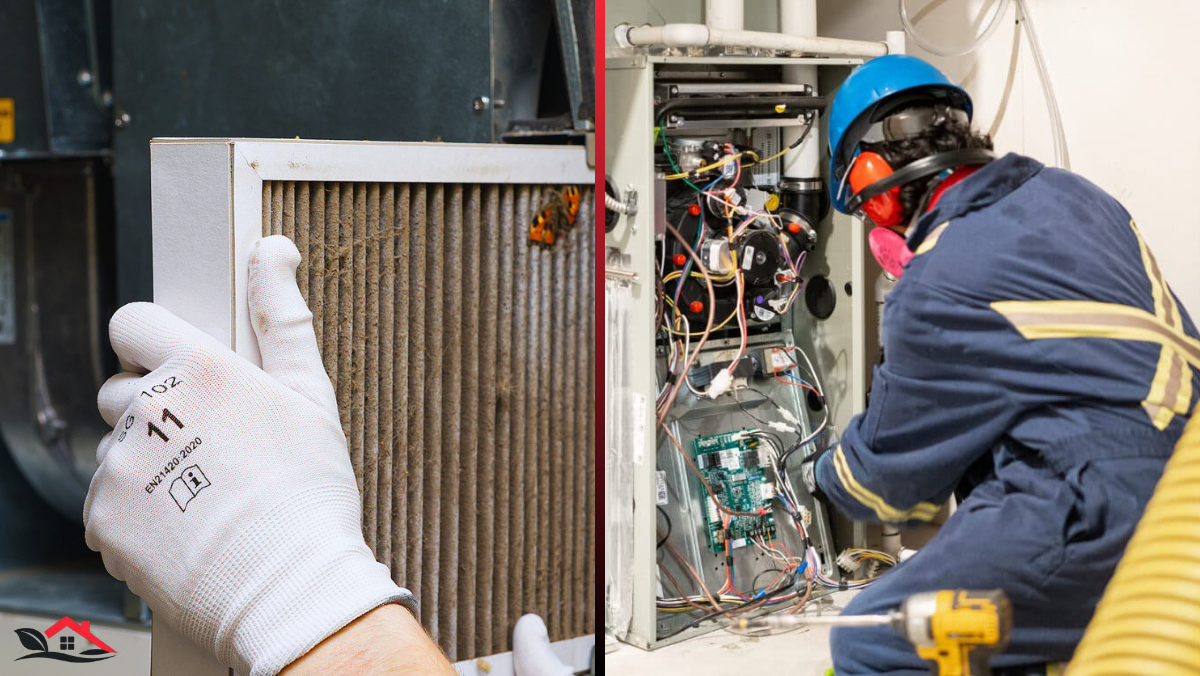
Introduction to Furnace Cleaning
Furnace cleaning is a critical part of maintaining a comfortable, energy-efficient, and healthy home environment. While many homeowners focus on visible cleaning tasks, the heating system often goes unnoticed until something goes wrong. Over time, dust, dirt, pet hair, and debris accumulate inside the furnace, reducing its efficiency and potentially leading to serious performance and safety issues.
A properly maintained system doesn’t just heat your home—it does so efficiently, safely, and consistently. Furnace cleaning ensures that air flows freely, components operate smoothly, and harmful contaminants are not circulated throughout your living space. Whether you rely on your furnace daily during winter or only occasionally, keeping it clean is essential for long-term performance.
This comprehensive guide explores furnace cleaning in detail, offering expert-level insights, practical steps, and real-world advice to help you understand, maintain, and optimize your heating system.
What Is Furnace Cleaning?
Furnace cleaning refers to the process of removing dust, debris, and buildup from the internal and external components of a heating system. Unlike simple surface cleaning, it involves accessing key mechanical parts that directly affect how efficiently and safely the furnace operates.
A complete furnace cleaning typically includes:
- Cleaning or replacing air filters
- Removing dust from the blower motor and fan
- Cleaning burners and combustion areas
- Inspecting and wiping the heat exchanger
- Clearing vents and air ducts
This process helps restore proper airflow, improve heating performance, and prevent system strain.
Why Furnace Cleaning Is Essential
Improves Energy Efficiency
A furnace that is clogged with dust has to work significantly harder to push air through the system. This increased workload leads to higher energy consumption. Furnace cleaning removes these obstructions, allowing the system to operate more efficiently and reducing utility bills.
Enhances Indoor Air Quality
Every time your furnace runs, it circulates air throughout your home. If the system is dirty, it spreads dust, allergens, and even mold spores. Regular furnace cleaning helps ensure that the air you breathe is clean and healthy.
Extends Furnace Lifespan
Like any mechanical system, a furnace experiences wear and tear over time. Dirt buildup accelerates this process by forcing components to work harder. Cleaning reduces strain, helping extend the life of the system.
Prevents Costly Repairs
Small issues caused by dirt buildup can escalate into major problems if left unaddressed. Regular furnace cleaning helps identify and resolve minor concerns before they become expensive repairs.
Ensures Safe Operation
A neglected furnace can pose safety risks, including overheating or improper combustion. Keeping the system clean supports safe and reliable operation.
Key Components Involved in Furnace Cleaning
Air Filter
The air filter is the first line of defense against dust and debris. It captures airborne particles before they enter the furnace. A clogged filter restricts airflow and reduces efficiency, making regular replacement or cleaning essential.
Blower Motor and Fan
The blower is responsible for circulating warm air throughout your home. Dust buildup on the blades can reduce airflow and cause imbalance, leading to inefficient heating.
Heat Exchanger
This component transfers heat from the combustion process to the air. Dirt and soot can reduce its effectiveness, impacting overall performance.
Burners
Burners generate the heat within the furnace. If they are dirty, the system may struggle to ignite properly or burn fuel inefficiently.
Vents and Registers
Vents distribute heated air into different rooms. Dust and obstructions can block airflow, causing uneven heating.
How Often Should Furnace Cleaning Be Done?
Furnace cleaning should ideally be performed once a year, typically before the start of the heating season. However, certain conditions may require more frequent maintenance:
- Homes with pets that shed hair
- High dust or pollution levels
- Households with allergy sufferers
- Older furnace systems
Regular inspection between cleanings can help identify when additional maintenance is needed.
Step-by-Step Furnace Cleaning Process
Step 1: Turn Off Power and Gas
Always begin by shutting off electricity and gas supply to the furnace. This ensures safety while working on the system.
Step 2: Inspect and Replace the Air Filter
Remove the filter and check its condition. If it appears clogged or dirty, replace it. A clean filter is crucial for proper airflow.
Step 3: Clean the Exterior
Wipe down the outer surface of the furnace to remove dust and prevent it from entering the system.
Step 4: Vacuum Interior Components
Carefully open the furnace panel and use a vacuum to remove dust from accessible areas, including the blower compartment.
Step 5: Clean the Blower Assembly
If accessible, remove the blower and clean its blades using a soft brush. This step improves airflow and efficiency.
Step 6: Clean Burners
Gently clean the burners to ensure proper ignition and combustion. Avoid using excessive force or harsh tools.
Step 7: Inspect the Heat Exchanger
Wipe away any visible dust or soot. If cracks or damage are suspected, professional inspection is necessary.
Step 8: Clean Vents and Registers
Ensure all vents are free of dust and obstructions to maintain even airflow.
Step 9: Reassemble and Test
After cleaning, reassemble all components and restore power. Run the furnace to ensure it operates smoothly.
DIY Furnace Cleaning vs Professional Service
DIY Furnace Cleaning
Basic furnace cleaning tasks can be performed by homeowners, including:
- Replacing air filters
- Cleaning vents and registers
- Removing visible dust
These steps help maintain efficiency between professional services.
Professional Furnace Cleaning
A professional technician performs a deeper and more comprehensive cleaning. This includes:
- Detailed inspection of internal components
- Cleaning hard-to-reach areas
- Testing system performance
- Identifying potential safety issues
Professional service is especially important for older systems or those showing signs of trouble.
Common Furnace Cleaning Mistakes to Avoid
Ignoring Safety Measures
Working on a furnace without turning off power and gas can be dangerous.
Neglecting Filter Replacement
Failing to replace filters regularly is one of the most common maintenance mistakes.
Using Incorrect Tools
Improper tools can damage sensitive components, leading to costly repairs.
Overlooking Internal Cleaning
Focusing only on visible areas leaves critical components dirty and inefficient.
Delaying Maintenance
Waiting until problems arise often results in more expensive fixes.
Signs Your Furnace Needs Cleaning
Understanding when furnace cleaning is needed can prevent serious issues. Watch for these warning signs:
- Rising energy bills without increased usage
- Weak or inconsistent airflow
- Uneven heating across rooms
- Unusual noises such as rattling or humming
- Visible dust buildup around vents
- Burning or musty odors when the furnace runs
These indicators suggest that your system is struggling and needs attention.
Benefits of Regular Furnace Cleaning
Improved Heating Performance
A clean furnace distributes heat more effectively, keeping your home consistently warm.
Lower Energy Costs
Efficient systems consume less energy, helping reduce monthly utility bills.
Better Air Quality
Removing dust and allergens improves indoor air quality and overall comfort.
Reduced Wear and Tear
Clean components experience less strain, reducing the likelihood of breakdowns.
Increased System Reliability
Regular furnace cleaning ensures dependable operation during colder months.
Professional Furnace Cleaning: What to Expect
When you hire a professional for furnace cleaning, the process is thorough and systematic. Technicians typically:
- Inspect the entire system
- Clean internal and external components
- Check electrical connections
- Test safety controls
- Optimize performance
This level of service provides peace of mind and ensures your furnace operates at peak efficiency.
Furnace Cleaning and Indoor Air Quality
The cleanliness of your furnace directly affects the air you breathe. A dirty system can circulate pollutants, including dust, pollen, and bacteria.
Furnace cleaning helps:
- Reduce allergens in the air
- Improve respiratory health
- Maintain a cleaner living environment
This is especially important for individuals with allergies or respiratory conditions.
Cost Considerations for Furnace Cleaning
The cost of furnace cleaning depends on several factors, including system size, condition, and service provider. While basic DIY maintenance is inexpensive, professional cleaning offers long-term value by improving efficiency and preventing costly repairs.
Investing in regular furnace cleaning often results in savings through lower energy bills and reduced repair costs.
Preventive Maintenance Tips
Keeping your furnace clean doesn’t have to be complicated. Follow these practical tips:
- Replace air filters regularly
- Keep the area around the furnace clean
- Schedule annual professional inspections
- Monitor system performance
- Address issues promptly
Preventive care reduces the need for extensive repairs and keeps your system running smoothly.
FAQ About Furnace Cleaning
What is furnace cleaning?
Furnace cleaning is the process of removing dust, debris, and buildup from heating system components to improve efficiency and safety.
How often should furnace cleaning be done?
Furnace cleaning should be performed at least once a year, or more frequently in dusty environments or homes with pets.
Can I do furnace cleaning myself?
You can handle basic tasks like replacing filters and cleaning vents, but professional cleaning is recommended for deeper maintenance.
Why is furnace cleaning important?
It improves efficiency, enhances air quality, extends system lifespan, and reduces the risk of breakdowns.
How long does furnace cleaning take?
Professional furnace cleaning typically takes between one to two hours, depending on the system.
Conclusion
Furnace cleaning is a vital part of maintaining a safe, efficient, and reliable heating system. Ignoring it can lead to higher energy costs, poor air quality, and unexpected breakdowns. On the other hand, regular maintenance ensures consistent performance, extends the lifespan of your furnace, and provides peace of mind during colder months.
By understanding the importance of furnace cleaning and following best practices, you can keep your heating system in top condition for years to come. Whether you perform basic maintenance yourself or rely on professional services, staying proactive is the key to a comfortable and energy-efficient home.
You May Also Read: The Home Gro
