

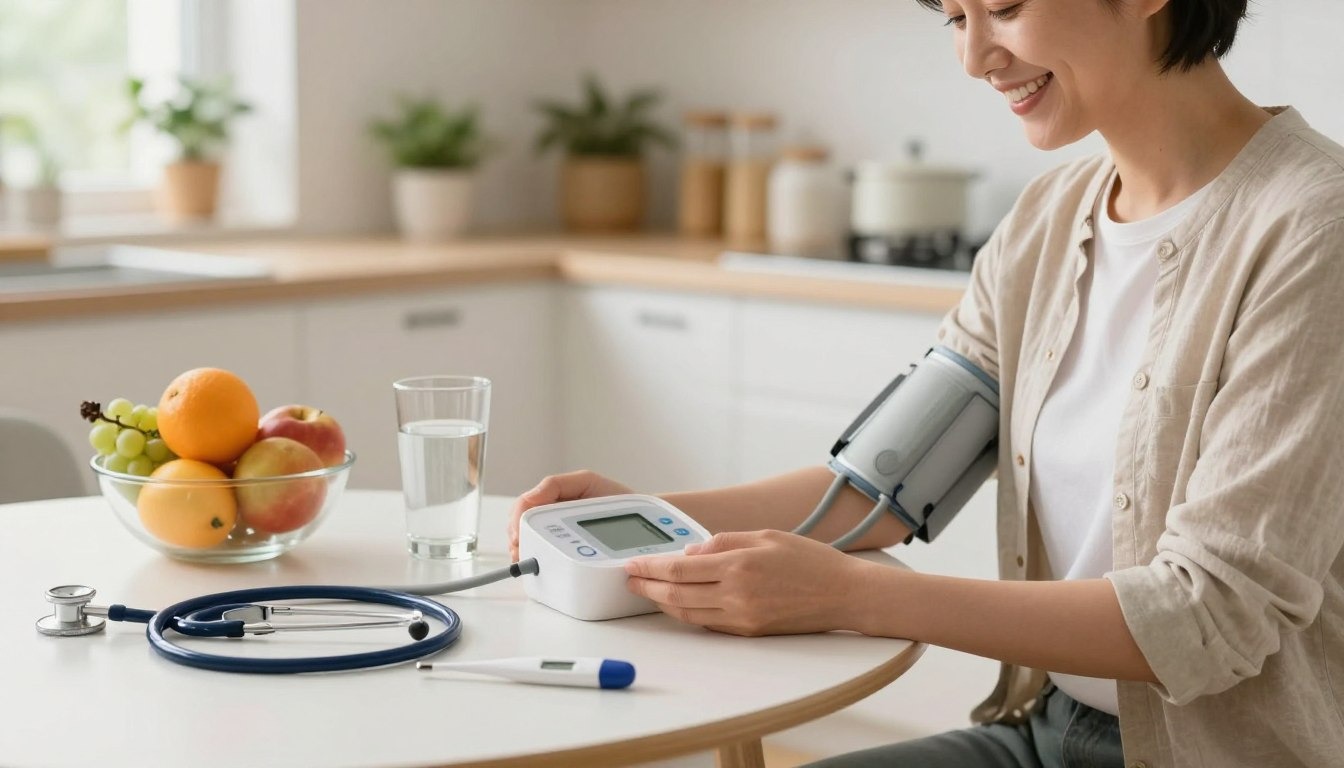
simple health check methodsStarting your wellness journey is easy with simple health check methods you can do at home. By tuning into your body’s signals, you can spot issues before they get worse.
I want to help you with simple steps to keep your health in check every day. Listening to your body is a skill you can learn with a bit of effort.
By the end of this guide, you’ll feel more confident in checking your health. You’ll also know when it’s time to see a doctor for more help.
Key Takeaways
- Proactive monitoring helps identify wellness concerns early.
- Learning to read body signals improves your daily quality of life.
- Home assessments provide a foundation for better medical conversations.
- Empowerment comes from understanding your own physical baseline.
- Knowing when to consult a doctor is a vital safety skill.
Why Proactive Health Monitoring Matters Today
My view on health has changed. I now focus on preventing illness instead of waiting for it. Many are moving from just seeing doctors when sick to a proactive approach. This means we take charge of our health.
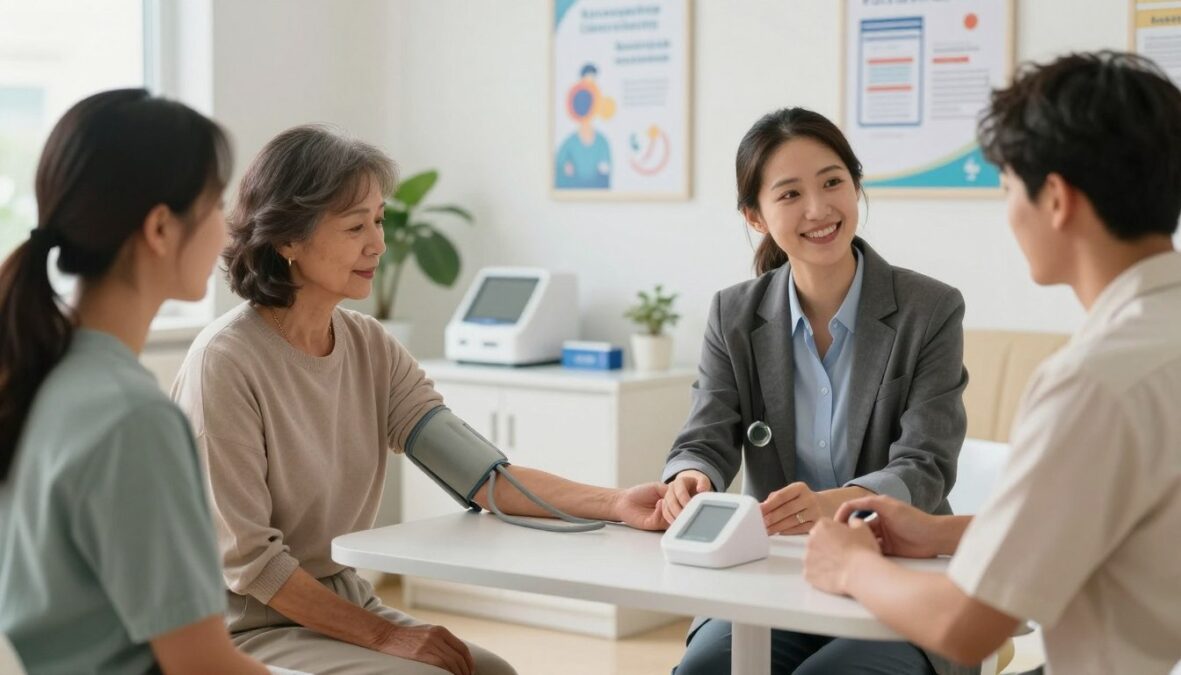
The Shift Toward Preventative Wellness
Doing an easy health screening helps me understand my health better. Knowing what’s normal for me makes it easier to spot changes. This is the core of a basic wellness evaluation that’s simple to do at home.
Tracking small health metrics empowers me to make better lifestyle choices. It’s not just about avoiding sickness. It’s about feeling my best every day. This way, taking care of my health becomes a habit, not a hassle.
How Early Detection Changes Outcomes
Early detection is key to better health outcomes. Catching a problem early makes recovery easier and less painful. A basic wellness evaluation acts as an early alert system.
Regular easy health screenings give me peace of mind. They help me catch small issues before they become big problems. Here’s how these two health approaches differ.
| Feature | Reactive Care | Proactive Wellness |
| Primary Focus | Treating symptoms | Preventing issues |
| Frequency | Only when ill | Consistent monitoring |
| Outcome | Higher intervention | Better long-term health |
| Mindset | Passive observation | Active engagement |
Simple Health Check Methods You Can Perform at Home
You don’t need a medical degree to check your health at home. Just a few minutes each week can give you valuable insights. These simple health check methods help you catch small changes early.

Monitoring Resting Heart Rate Trends
Your resting heart rate shows your heart health and stress levels. Check your pulse first thing in the morning. This gives you a clear baseline for your heart’s health.
To track this, follow these steps:
- Find your pulse on your wrist or neck.
- Count the beats for exactly 60 seconds.
- Record the number in a notebook or app to spot long-term trends.
Assessing Skin Changes and Mole Patterns
Checking your skin is a key part of staying healthy. I check my skin once a month for new spots or mole changes. Using a mirror helps me see hard-to-reach areas.
When checking your skin, remember the ABCDE guide:
- Asymmetry: Does one half of the mole look different from the other?
- Border: Are the edges irregular, ragged, or blurred?
- Color: Is the color uneven or changing?
- Diameter: Is the spot larger than a pencil eraser?
- Evolving: Has the mole changed in size, shape, or color recently?
Tracking Daily Hydration and Energy Levels
Your daily energy levels show your metabolic health and nutritional needs. Keeping a log of your water intake helps me understand my fatigue. Proper hydration keeps my focus sharp in the afternoon.
If you feel tired, consider these factors:
- Water Intake: Are you drinking enough fluids throughout the day?
- Consistency: Do your energy dips happen at the same time daily?
- Quality of Rest: Did you wake up feeling refreshed or drained?
By focusing on these details, you get a better understanding of your health. This straightforward health examination is a great way to support your wellness goals.
Understanding Vital Signs and What They Reveal
Your vital signs tell a story of your health. By understanding these numbers, you can monitor your health effectively. This is the best way to know how your body is doing.
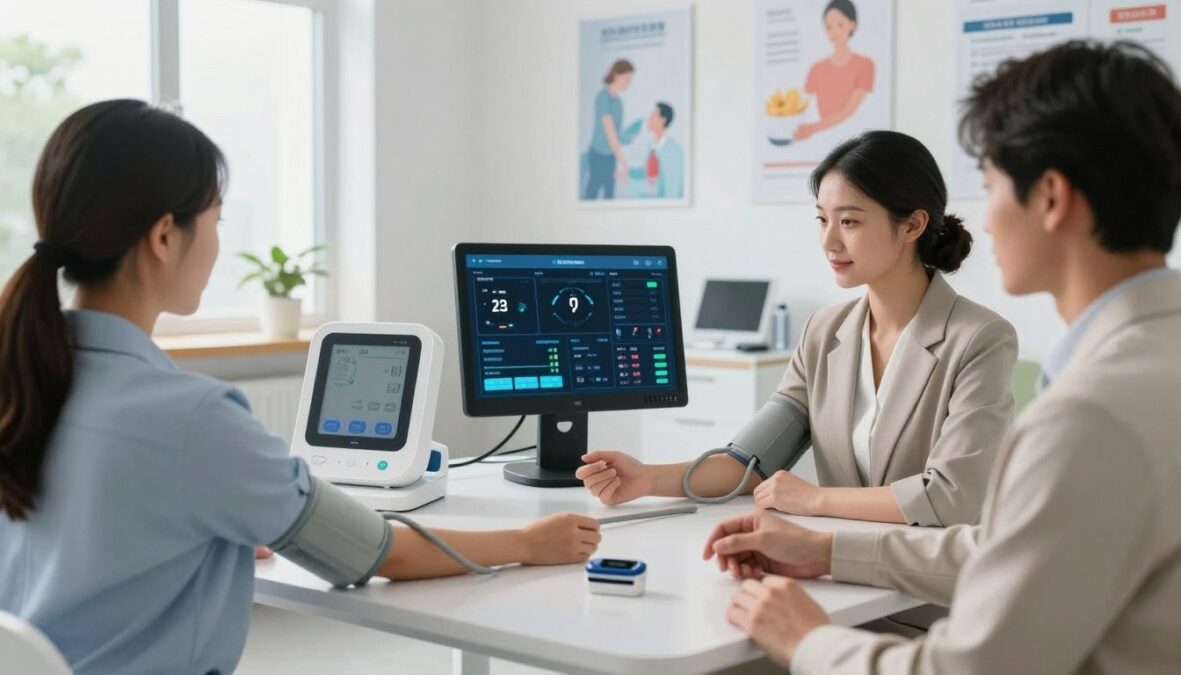
Interpreting Blood Pressure Readings
Blood pressure shows how well your heart and blood vessels are working. It’s important to check these numbers regularly at home.
- Systolic pressure: The top number, measuring pressure when your heart beats.
- Diastolic pressure: The bottom number, measuring pressure when your heart rests between beats.
- Ideal range: Most adults aim for a reading near 120/80 mmHg.
The Importance of Consistent Weight Tracking
Tracking your weight is more than just a number. It’s a way to check your health over time. Weigh yourself at the same time every day for accurate results.
Small changes in weight can mean big things. They might show changes in your body’s water or inflammation levels. Keeping a log helps you catch these changes early.
Recognizing Signs of Respiratory Efficiency
Your breathing tells a lot about your lung health and stamina. A good health check-up includes noticing how well you recover after exercise. If you get tired easily, it’s time to check your breathing.
Listen to your body when you move. Your breathing should be smooth and easy, even when you’re doing simple tasks. If you always feel short of breath, see a doctor to make sure everything is okay.
The Role of Wearable Technology in Modern Health
Now, I can check my health at home with ease. These devices give me real-time data, just like a doctor’s office. It’s easier than ever to keep up with my body’s health.
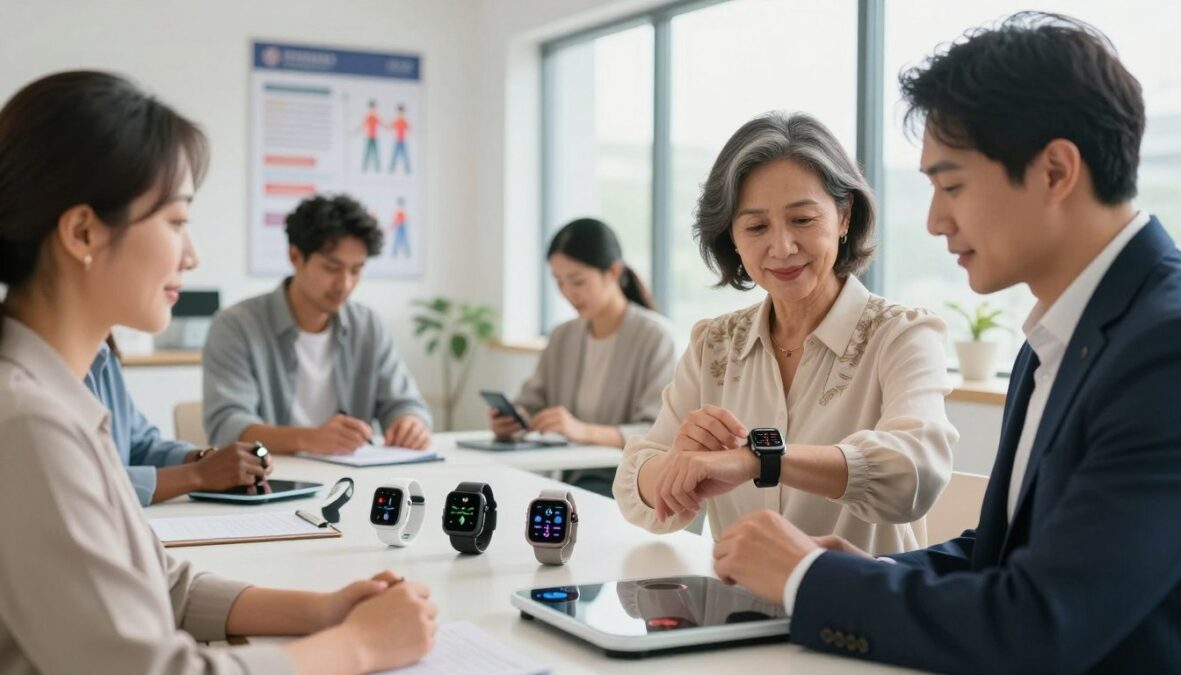
These tools let me do a basic wellness evaluation anytime. It’s perfect for my busy life. Digital monitoring lets me take care of my health with confidence.
Using Smartwatches for Heart Rate Variability
Smartwatches track my heart rate variability. This gives me a quick uncomplicated health appraisal of my stress levels. When my HRV is high, I know I’m ready for the day.
But if it drops, it’s a warning. It tells me to slow down and rest before I get too tired.
Sleep Tracking as a Window into Recovery
Sleep is key for my health. Wearables let me check my sleep easily. They show me how much deep and REM sleep I get.
By tracking this, I can spot sleep disruptors. I adjust my evening routine to wake up feeling great.
When to Trust Your Device Versus Your Instincts
Technology is helpful, but my body’s signals are most important. It’s key to listen to both tech and intuition.
If my watch says I’m good but I’m tired, I trust my body. Technology should support your decisions, not replace your common sense.
| Metric | What It Measures | Why It Matters |
| Heart Rate Variability | Nervous system balance | Indicates stress levels |
| Sleep Duration | Total rest time | Supports cognitive function |
| Resting Heart Rate | Cardiovascular efficiency | Tracks fitness progress |
| Daily Activity | Movement patterns | Encourages physical health |
Recognizing Red Flags That Require Professional Attention
Even the most careful self-checks can’t replace a doctor’s care. Easy health screening at home is great, but it’s meant to help, not replace, your doctor’s advice. I want to help you know when to worry and when to see a doctor.
Identifying Persistent Symptoms That Won’t Fade
Sometimes, your body sends signals that don’t go away with rest or simple changes. If a symptom lasts more than two weeks, it’s time to act. Persistent pain, unexplained lumps, or sudden vision changes mean you need a doctor’s opinion.
Don’t wait for these problems to get worse. A straightforward health examination can help you address them early. Listening to your gut is as important as tracking your health numbers.
The Danger of Ignoring Unexplained Fatigue
Feeling tired is normal, but chronic exhaustion is not. Ignoring it can be risky, as it might signal a deeper issue. This kind of tiredness doesn’t get better with sleep or food.
When you’re tired for no reason, your body might be trying to tell you something. See it as a big warning sign instead of a minor issue. A doctor can check for underlying problems.
Knowing When to Schedule a Formal Medical Exam
Knowing when to see a doctor is key for your safety. If your home checks show odd results or you feel something’s off, book an appointment. A straightforward health examination has tools that home devices don’t.
| Assessment Type | Primary Purpose | When to Use |
| Home Monitoring | Tracking trends | Daily or weekly |
| Professional Exam | Diagnostic clarity | When symptoms persist |
| Urgent Care | Acute intervention | Sudden, severe changes |
Your peace of mind is worth a doctor’s visit. Use your home data to talk better with your doctor. Combining your observations with a doctor’s advice is the best health plan.
Integrating Quick Assessments Into Your Daily Routine
Consistency is key to long-term wellness. Making a quick health assessment a daily habit is like brushing your teeth. It becomes a natural part of your day.
Creating a Sustainable Wellness Checklist
I recommend creating a simple, lasting checklist. It should include your most important health checks, like heart rate or energy levels. Keeping this list in sight helps with efficient health monitoring easily.
- Check your resting heart rate upon waking.
- Note your sleep quality and duration.
- Assess your hydration levels throughout the day.
- Record any physical discomfort or unusual fatigue.
The Value of Keeping a Personal Health Journal
Keeping a personal health journal is very valuable. It helps you track trends and observations that might slip your mind. It creates a detailed history for your next doctor’s visit.
The table below compares ways to track your wellness. It helps you choose the best method for your lifestyle.
| Method | Primary Benefit | Time Required |
| Digital App | Automated Trends | Low |
| Paper Journal | Reflective Insight | Medium |
| Quick Checklist | Consistency | Very Low |
Conclusion
Learning these simple habits is a great way to keep yourself healthy for a long time. By doing a quick health check regularly, you can catch small changes early. This helps avoid big health problems later.
This guide is designed to make health checks easy to fit into your busy schedule. Now, you know how to stay in touch with your body and make smart health choices.
Your body is like a complex machine that needs regular care. Every little thing you do today helps build a stronger, more energetic future.
Begin by tracking your health and listening to your body. You have the power to improve your health with these daily habits. Stay curious and keep moving forward on your path to wellness.
You May Also Read: The Home Gro
FAQ
Why should I incorporate simple health check methods into my daily routine?
Taking care of my health proactively helps me stay ahead. Simple checks let me catch small changes early. This way, I feel more in control and less worried about my health.
What is the most effective way to perform an easy health screening for heart health?
Start by checking your resting heart rate. You can do this manually or with a device like an Apple Watch. Watching these numbers over time tells me a lot about my heart and stress levels.
How can I conduct a straightforward health examination of my skin at home?
I do a monthly “head-to-toe” scan for new moles. This simple check is key for catching problems early. If I find anything odd, I see a dermatologist at a place like Mount Sinai or Cleveland Clinic.
Can I really trust wearable technology for efficient health monitoring?
Devices like the Oura Ring or Garmin are great for tracking sleep and heart rate. But, I see them as just a starting point. I trust my own feelings more than the device’s data.
What should I do if my streamlined health check-up reveals something concerning?
If my checks show something off, like high blood pressure or fatigue, I stop monitoring myself. I know that home checks are useful, but they should lead me to see a doctor at a place like Mayo Clinic.
How do I stay consistent with these assessments without feeling overwhelmed?
I keep a health journal by my bed. Adding these checks to my daily routine makes them easy. This way, I get a detailed health history for my doctor’s annual check-up.
