
Most homeowners don’t think much about their plumbing system until something goes wrong. A dripping faucet, low water pressure, or a burst pipe often comes as an unexpected surprise, leading to costly repairs and unnecessary stress. Fortunately, many common plumbing problems can be prevented with regular maintenance and early attention to small issues before they become major expenses.
Scheduling routine inspections and staying aware of how your home’s plumbing system functions can significantly extend the life of your pipes, fixtures, and appliances. Whether your home is brand new or several decades old, preventative maintenance is one of the smartest investments you can make.
One of the easiest ways to protect your plumbing is by checking for leaks on a regular basis. Even a small drip beneath a sink or around a toilet can waste hundreds of gallons of water each year while creating the perfect environment for mold and mildew. Moisture hidden behind walls or beneath flooring can also lead to structural damage that is much more expensive to repair than the original plumbing issue.
Homeowners should also monitor their water pressure. While strong water pressure is desirable for showers and household chores, excessively high pressure places unnecessary strain on pipes, fittings, valves, and water-using appliances. Over time, this additional stress can shorten the lifespan of your plumbing system and increase the likelihood of leaks or burst pipes. A professional can measure your home’s water pressure and recommend solutions if adjustments are needed.
Your water heater deserves regular attention as well. Sediment naturally builds up inside the tank over time, especially in areas with hard water. As sediment accumulates, the water heater becomes less efficient, requires more energy to operate, and may eventually develop premature wear. Periodically flushing the tank helps remove mineral deposits, allowing the unit to operate more efficiently while extending its service life.
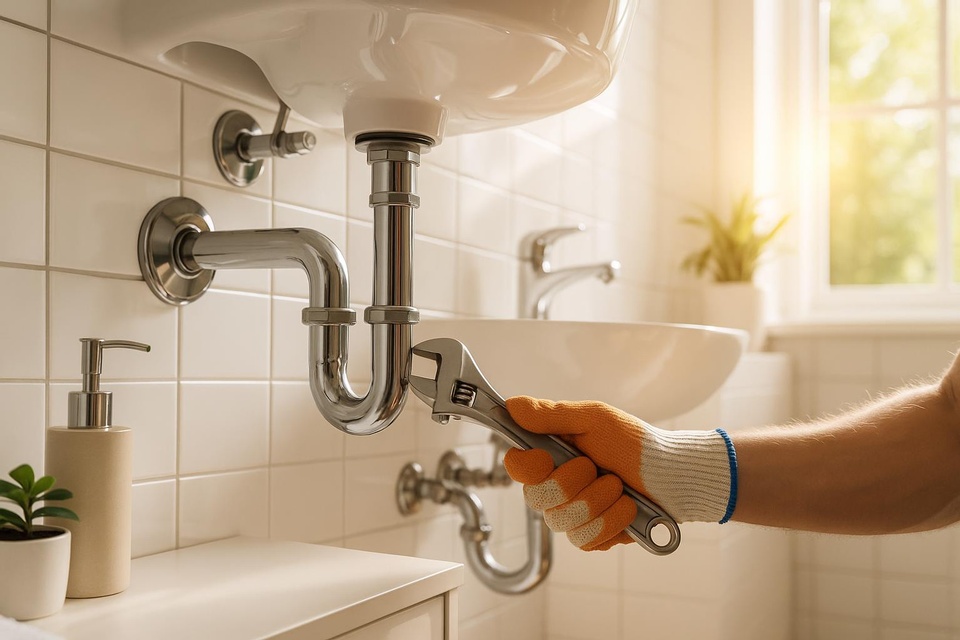
Another area that often gets overlooked is the plumbing beneath sinks and behind appliances. Flexible supply lines can deteriorate with age, especially if they were installed many years ago. Washing machine hoses, dishwasher connections, refrigerator water lines, and toilet supply lines should all be inspected periodically for signs of cracking, corrosion, or bulging. Replacing aging hoses before they fail can prevent thousands of dollars in water damage.
Kitchen habits also play a major role in plumbing health. Many homeowners unknowingly contribute to clogged drains by pouring grease, cooking oil, and food scraps down the sink. While grease may appear harmless when warm, it quickly hardens inside pipes, trapping debris and restricting water flow. Instead, allow grease to cool before disposing of it in the trash, and use sink strainers to catch food particles before they enter your plumbing system.
Bathroom drains require similar attention. Hair, soap residue, and personal hygiene products frequently cause slow drains and blockages. Using drain screens and avoiding flushing anything other than toilet paper can dramatically reduce plumbing problems. Products labeled as “flushable” often do not break down as quickly as advertised and may contribute to sewer line blockages over time.
Seasonal maintenance is equally important. During colder months, exposed pipes in garages, crawl spaces, or unfinished basements should be properly insulated to reduce the risk of freezing. Frozen pipes can expand and burst, causing extensive water damage once temperatures rise. Disconnecting outdoor hoses before winter and shutting off exterior water supplies when appropriate also helps protect outdoor plumbing fixtures.
Homeowners should also become familiar with the location of their main water shutoff valve. In the event of a burst pipe or major leak, quickly shutting off the water supply can significantly reduce damage while waiting for repairs. Knowing where this valve is located before an emergency occurs can save valuable time when every minute counts.
Water quality can also influence the longevity of your plumbing system. Hard water contains elevated levels of minerals such as calcium and magnesium, which gradually accumulate inside pipes, fixtures, and appliances. Over time, these mineral deposits reduce efficiency, restrict water flow, and increase maintenance costs. Installing an appropriate water treatment system can help minimize scale buildup while protecting your plumbing investment.
Although many simple maintenance tasks can be handled by homeowners, scheduling periodic inspections with a local plumber in Indianapolis provides an added level of protection. A professional plumber can identify hidden leaks, inspect water heaters, evaluate pipe conditions, and detect small issues before they become major repairs. Preventive service often costs far less than emergency plumbing work and provides valuable peace of mind.
Final Words
In the end, plumbing maintenance is about protecting one of your home’s most important systems. By addressing minor concerns early, practicing good plumbing habits, and scheduling routine inspections, homeowners can avoid many common problems while extending the lifespan of their plumbing. A little preventative care today can save significant money, inconvenience, and unexpected repairs for years to come.
