

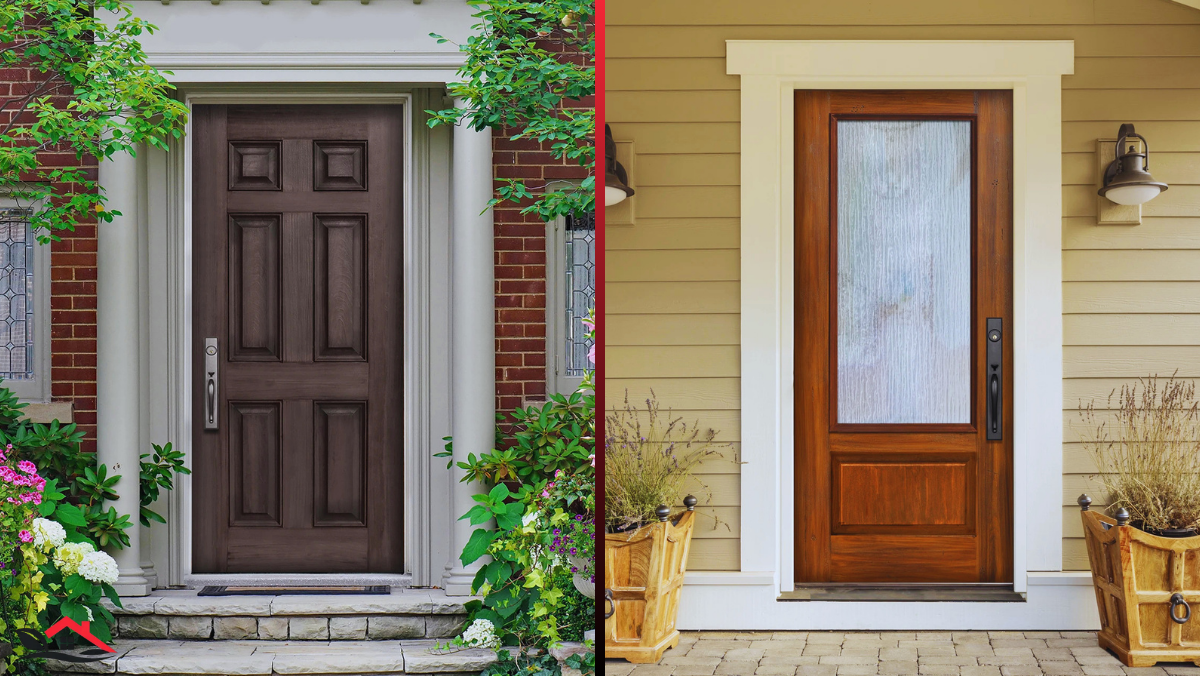
Introduction to Exterior Fiberglass Doors
Exterior fiberglass doors have become one of the most reliable and widely used entry door solutions in modern residential and commercial construction. Homeowners and builders increasingly prefer exterior fiberglass doors because they combine the visual appeal of traditional materials with advanced durability and energy efficiency. Unlike wood doors that can warp or steel doors that may dent and rust over time, exterior fiberglass doors are engineered to withstand harsh weather conditions while maintaining their appearance and structural integrity for years.
In today’s construction and renovation market, exterior fiberglass doors are not just a design choice but a long-term investment in security, insulation, and low maintenance. Whether used in contemporary homes, suburban properties, or coastal environments, these doors offer a balanced combination of strength and style that meets the demands of modern living.
This article explores exterior fiberglass doors in depth, including their construction, advantages, performance characteristics, installation considerations, and buying guidance to help you make an informed decision.
What Are Exterior Fiberglass Doors?
Exterior fiberglass doors are entry doors constructed using reinforced fiberglass skins over a strong internal frame, often filled with polyurethane foam insulation. This layered structure allows exterior fiberglass doors to mimic the appearance of wood grain or smooth painted finishes while delivering superior resistance to weather, impact, and wear.
Unlike traditional solid wood doors, exterior fiberglass doors do not absorb moisture easily. This makes them highly resistant to swelling, cracking, and rotting. Their core insulation also improves thermal performance, helping maintain indoor temperature stability throughout seasonal changes.
Manufacturers design exterior fiberglass doors in various styles, including classic panel designs, modern flush surfaces, and decorative glass inserts. This versatility allows them to fit a wide range of architectural styles without compromising performance.
Key Benefits of Exterior Fiberglass Doors
Exceptional Durability and Strength
One of the primary advantages of exterior fiberglass doors is their durability. Fiberglass materials are naturally resistant to warping, rusting, and corrosion. This makes exterior fiberglass doors especially suitable for regions with extreme humidity, heavy rainfall, or intense sunlight.
The structural stability of exterior fiberglass doors also ensures they maintain their shape over time. Unlike wood, which expands and contracts with temperature changes, fiberglass remains dimensionally stable.
Low Maintenance Requirements
Exterior fiberglass doors require minimal upkeep compared to traditional materials. Routine cleaning with mild soap and water is typically enough to maintain their appearance. There is no need for frequent repainting, sealing, or refinishing, which is often required with wood doors.
This low-maintenance nature makes exterior fiberglass doors ideal for homeowners seeking long-term convenience without sacrificing aesthetics.
Energy Efficiency and Insulation
Modern exterior fiberglass doors are designed with energy efficiency in mind. The insulated core significantly reduces heat transfer, helping to maintain indoor comfort while lowering heating and cooling costs.
Many exterior fiberglass doors meet or exceed ENERGY STAR standards, making them an environmentally responsible choice for energy-conscious homeowners.
Enhanced Security
Security is another strong advantage of exterior fiberglass doors. Their reinforced construction provides excellent resistance to forced entry. When combined with high-quality locking systems and reinforced frames, exterior fiberglass doors contribute to a secure home entry point.
Design Flexibility
Exterior fiberglass doors can be manufactured to replicate the appearance of natural wood grains such as oak, mahogany, or cherry. They are also available in smooth finishes suitable for modern architectural styles. This versatility allows homeowners to achieve a high-end look without the maintenance challenges of real wood.
Exterior Fiberglass Doors Compared to Wood and Steel Doors
When evaluating exterior fiberglass doors, it is important to compare them with other common materials.
Exterior Fiberglass Doors vs Wood Doors
Wood doors offer a classic, natural appearance but require significant maintenance. They are prone to moisture damage, warping, and insect infestation. In contrast, exterior fiberglass doors provide similar aesthetic options with far greater durability and weather resistance.
While wood doors may appeal to traditional design preferences, exterior fiberglass doors offer a more practical long-term solution.
Exterior Fiberglass Doors vs Steel Doors
Steel doors are known for strength and affordability, but they can dent, rust, and conduct temperature more easily. Exterior fiberglass doors, on the other hand, resist corrosion and offer better insulation performance.
In terms of aesthetics, exterior fiberglass doors also provide more design flexibility compared to the industrial look of steel doors.
Design Options and Styles of Exterior Fiberglass Doors
Modern exterior fiberglass doors come in a wide range of styles to match different architectural themes.
Wood-Grain Textured Exterior Fiberglass Doors
These exterior fiberglass doors replicate the natural appearance of wood with detailed grain textures. They are often stained to mimic traditional hardwood finishes while maintaining fiberglass durability.
Smooth Finish Exterior Fiberglass Doors
Smooth exterior fiberglass doors are ideal for contemporary and minimalist homes. They are typically painted in bold or neutral colors and offer a clean, modern appearance.
Decorative Glass Exterior Fiberglass Doors
Many exterior fiberglass doors include decorative or frosted glass inserts. These designs enhance natural light entry while maintaining privacy and insulation.
Double Entry Exterior Fiberglass Doors
For larger homes or grand entrances, exterior fiberglass doors are available in double-door configurations. These provide a more impressive architectural statement while maintaining energy efficiency.
Energy Efficiency in Exterior Fiberglass Doors
Energy efficiency is one of the most important performance aspects of exterior fiberglass doors. The insulating foam core significantly reduces thermal bridging, which helps prevent heat loss in winter and heat gain in summer.
High-quality exterior fiberglass doors often include weather stripping and tight sealing systems that minimize air leakage. This improves HVAC efficiency and contributes to lower energy bills over time.
In climates with extreme temperatures, exterior fiberglass doors provide consistent indoor comfort by reducing external temperature impact on interior spaces.
Durability and Long-Term Performance of Exterior Fiberglass Doors
Exterior fiberglass doors are engineered for long-term performance under demanding conditions. Their composite structure resists:
- Moisture absorption
- UV damage
- Cracking and splitting
- Corrosion and rust
- Impact damage
This makes exterior fiberglass doors particularly suitable for coastal regions, high-humidity environments, and areas with seasonal temperature fluctuations.
Unlike wood, which can deteriorate over time, exterior fiberglass doors maintain their appearance and function with minimal degradation, even after years of exposure.
Installation Considerations for Exterior Fiberglass Doors
Proper installation is critical to maximizing the performance of exterior fiberglass doors. Even the highest-quality door can underperform if installed incorrectly.
Accurate Frame Alignment
Exterior fiberglass doors must be installed within a properly aligned frame to ensure smooth operation and effective sealing. Misalignment can lead to air leaks and reduced energy efficiency.
Weatherproof Sealing
Sealing is essential for exterior fiberglass doors. High-quality weather stripping and caulking help prevent moisture infiltration and air leakage.
Professional Installation vs DIY
While some experienced homeowners may attempt installation, professional installation is recommended for exterior fiberglass doors. Proper fitting ensures security, insulation, and long-term durability.
Cost Factors of Exterior Fiberglass Doors
The cost of exterior fiberglass doors varies depending on design, size, glass features, and insulation quality. While they are generally more expensive than basic steel doors, they are often more affordable than premium solid wood doors.
Key factors affecting pricing include:
- Decorative glass inserts
- Custom finishes
- Brand quality
- Energy efficiency rating
- Hardware and locking systems
Although the initial investment may be higher, exterior fiberglass doors often deliver better long-term value due to reduced maintenance and energy savings.
How to Choose the Right Exterior Fiberglass Doors
Selecting the right exterior fiberglass doors requires careful consideration of several factors.
Climate Conditions
In humid or coastal environments, exterior fiberglass doors are particularly beneficial due to their resistance to moisture damage.
Architectural Style
Choose exterior fiberglass doors that match the overall design of your home, whether traditional, modern, or transitional.
Insulation Needs
For energy efficiency, prioritize exterior fiberglass doors with high R-value insulation cores.
Security Requirements
Look for reinforced frames and high-quality locking systems when selecting exterior fiberglass doors for enhanced security.
Budget and Long-Term Value
While budget is important, consider the long-term savings offered by durable, low-maintenance exterior fiberglass doors.
Common Mistakes to Avoid When Buying Exterior Fiberglass Doors
Many homeowners make avoidable mistakes when selecting exterior fiberglass doors. These include:
- Choosing based on appearance alone without considering insulation
- Ignoring proper installation requirements
- Overlooking hardware quality
- Selecting low-grade fiberglass materials
- Not accounting for climate suitability
Avoiding these mistakes ensures that your exterior fiberglass doors perform optimally for years.
Frequently Asked Questions About Exterior Fiberglass Doors
Are exterior fiberglass doors better than wood doors?
Exterior fiberglass doors are generally more durable and low-maintenance than wood doors. While wood offers natural beauty, fiberglass provides better resistance to weather, warping, and long-term wear.
How long do exterior fiberglass doors last?
High-quality exterior fiberglass doors can last several decades with proper installation and minimal maintenance, often outlasting wood doors in similar conditions.
Can exterior fiberglass doors be painted or stained?
Yes, exterior fiberglass doors can be painted or stained depending on the surface finish. Wood-grain versions are often stained, while smooth finishes are typically painted.
Do exterior fiberglass doors improve energy efficiency?
Yes, exterior fiberglass doors significantly improve energy efficiency due to their insulated core and tight sealing systems.
Are exterior fiberglass doors secure?
Exterior fiberglass doors are highly secure, especially when combined with reinforced frames and modern locking systems.
Conclusion on Exterior Fiberglass Doors
Exterior fiberglass doors represent a modern solution that combines durability, energy efficiency, security, and design versatility in one package. Their ability to withstand harsh environmental conditions while maintaining aesthetic appeal makes them a preferred choice for homeowners and builders alike.
Whether you are renovating an existing home or designing a new one, exterior fiberglass doors offer a long-term investment that reduces maintenance costs, improves energy efficiency, and enhances curb appeal. With proper selection and professional installation, exterior fiberglass doors can deliver reliable performance and lasting value for decades.
You May Also Read: The Home Gro
