

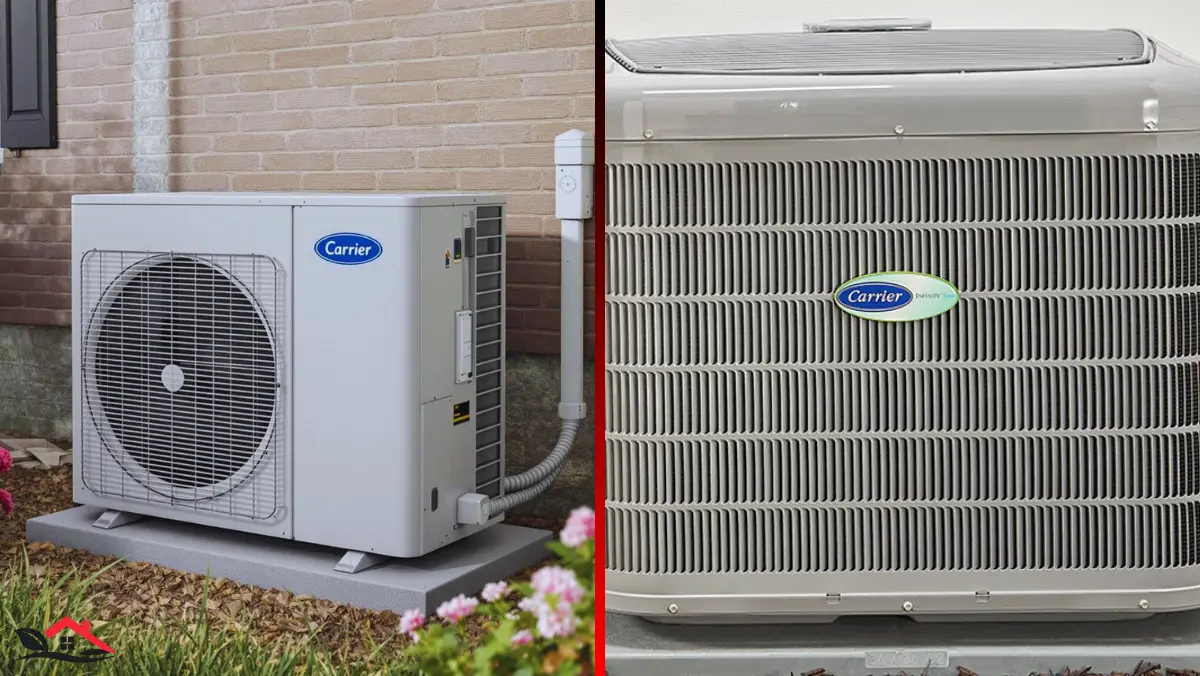
Introduction to Heat Pumps Carrier
When it comes to reliable and energy-efficient home comfort systems, heat pumps Carrier solutions have earned a strong reputation among homeowners and HVAC professionals alike. Designed to provide both heating and cooling in a single system, Carrier heat pumps offer a practical and forward-thinking approach to indoor climate control.
Unlike traditional heating systems that generate heat, heat pumps transfer heat from one place to another. This makes them significantly more efficient and environmentally friendly. Carrier, as a long-established leader in HVAC innovation, has refined this technology to deliver high performance, durability, and consistent comfort across a wide range of climates.
This in-depth guide explores everything you need to know about heat pumps Carrier systems—from how they work and their key features to costs, benefits, and how to choose the right model.
What Are Heat Pumps Carrier Systems?
Heat pumps Carrier systems are advanced HVAC units that use electricity and refrigerant technology to both heat and cool a home. Instead of producing heat through combustion, they move heat using a refrigeration cycle.
How Heat Pumps Carrier Systems Work
The core operation of a heat pump involves:
- Extracting heat from outdoor air, even in cold conditions
- Transferring that heat indoors during winter
- Reversing the process in summer to remove heat from inside
This process relies on several key components:
- Compressor
- Refrigerant
- Indoor air handler
- Outdoor condenser unit
- Reversing valve
The reversing valve is what allows the system to switch between heating and cooling modes, making heat pumps Carrier systems versatile year-round solutions.
Types of Heat Pumps Carrier Offers
Carrier produces several types of heat pumps designed to meet different home requirements and environmental conditions.
Air-Source Heat Pumps
Air-source systems are the most common type of heat pumps Carrier offers. They draw heat from the outdoor air and transfer it indoors.
- Affordable installation
- Suitable for most climates
- Widely available
These systems are ideal for homeowners seeking a balance between cost and efficiency.
Ground-Source (Geothermal) Heat Pumps
Geothermal heat pumps use the stable temperature of the earth to provide heating and cooling.
- Extremely high efficiency
- Higher upfront installation cost
- Lower long-term energy expenses
These systems are best suited for homeowners planning long-term energy savings.
Ductless Mini-Split Heat Pumps
Ductless systems are perfect for homes without existing ductwork or for room-by-room temperature control.
- Easy installation
- Zoned comfort
- Energy-efficient operation
They are especially useful for additions, apartments, or older homes.
Key Features of Heat Pumps Carrier Systems
Carrier has built its reputation on innovation, and its heat pumps reflect that commitment.
Variable-Speed Technology
Many heat pumps Carrier models include variable-speed compressors that adjust output based on demand.
- Maintains consistent indoor temperatures
- Reduces energy consumption
- Operates quietly
Greenspeed Intelligence
Carrier’s premium systems feature Greenspeed Intelligence, a technology that continuously adapts system performance.
- Optimizes efficiency
- Enhances humidity control
- Improves overall comfort
High Efficiency Ratings
Carrier heat pumps are known for high efficiency metrics such as SEER2 and HSPF2.
- Lower monthly utility bills
- Reduced environmental impact
- Better long-term value
Benefits of Heat Pumps Carrier Systems
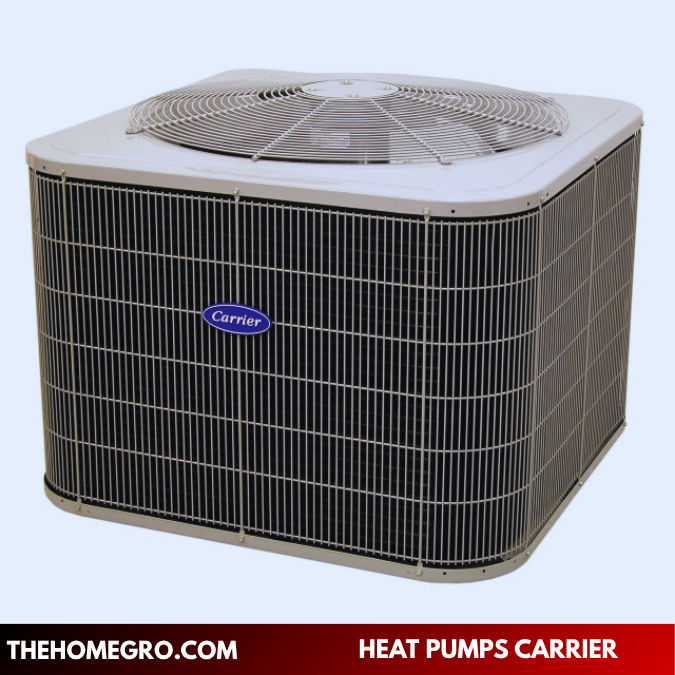
Energy Efficiency
Heat pumps Carrier systems are among the most efficient HVAC options available. Because they transfer heat instead of generating it, they can deliver more energy than they consume.
Dual Heating and Cooling Function
One of the biggest advantages is versatility. A single system provides both heating and cooling, eliminating the need for separate equipment.
Environmentally Friendly Operation
These systems:
- Do not rely on fossil fuels
- Produce fewer greenhouse gas emissions
- Support sustainable energy use
Long-Term Cost Savings
Although the initial investment may be higher, heat pumps Carrier systems often lead to:
- Lower energy bills
- Reduced maintenance expenses
- Increased home value
Performance in Different Climates
Mild and Moderate Climates
Heat pumps Carrier systems perform exceptionally well in regions with moderate temperatures. They can efficiently handle both heating and cooling needs without additional support.
Cold Climate Performance
Modern Carrier heat pumps are engineered to function in low temperatures. Advanced models maintain efficiency even when outdoor temperatures drop significantly.
Dual-Fuel Systems
For colder regions, a dual-fuel setup is often recommended.
- Heat pump operates during mild conditions
- Furnace activates during extreme cold
- Ensures comfort and efficiency year-round
Installation Considerations for Heat Pumps Carrier
Proper System Sizing
Correct sizing is essential for performance and efficiency.
- Oversized systems cycle on and off frequently
- Undersized systems struggle to maintain temperature
A professional load calculation ensures the right fit.
Home Insulation and Ductwork
Efficient insulation and well-designed duct systems enhance performance by minimizing heat loss.
Professional Installation
Working with a qualified HVAC technician ensures:
- Proper installation
- Maximum efficiency
- Compliance with warranty requirements
Cost of Heat Pumps Carrier Systems
The cost of heat pumps Carrier systems varies depending on several factors.
Factors Affecting Cost
- Type of heat pump
- Efficiency rating
- Home size
- Installation complexity
Average Price Range
- Entry-level systems: $4,000–$8,000
- Mid-range systems: $8,000–$12,000
- High-end systems: $12,000–$20,000+
While upfront costs can be substantial, long-term savings often justify the investment.
Maintenance and Lifespan
Routine Maintenance
Regular maintenance keeps heat pumps Carrier systems running efficiently.
- Replace filters every 1–3 months
- Clean outdoor units
- Schedule annual inspections
Expected Lifespan
With proper care, these systems typically last:
- 10 to 15 years or longer
Consistent maintenance can significantly extend system life and performance.
Heat Pumps Carrier vs Traditional HVAC Systems
Compared to Furnaces
Heat pumps Carrier systems offer:
- Higher energy efficiency
- Cooling capability
- Lower emissions
Furnaces, however, may provide stronger heating in extremely cold climates.
Compared to Air Conditioners
Heat pumps provide both heating and cooling, making them a more versatile and cost-effective solution than standalone air conditioners.
Popular Heat Pumps Carrier Product Lines
Infinity Series
- Premium performance
- Advanced technology
- Highest efficiency ratings
Performance Series
- Balanced price and performance
- Reliable operation
- Good efficiency
Comfort Series
- Budget-friendly option
- Standard features
- Solid reliability
Each product line is designed to meet different needs, from basic comfort to high-end performance.
How to Choose the Right Heat Pumps Carrier System
Assess Your Climate
Climate plays a major role in system selection. Colder regions may require more advanced or hybrid systems.
Focus on Efficiency Ratings
Higher efficiency systems cost more upfront but provide greater long-term savings.
Determine Your Budget
Balance initial cost with operational savings over time.
Consult HVAC Professionals
A qualified technician can recommend the best system based on your home’s size, insulation, and layout.
Common Mistakes to Avoid
Choosing the Wrong Size
Improper sizing reduces efficiency and comfort.
Ignoring Maintenance
Skipping routine care can lead to breakdowns and higher costs.
Prioritizing Price Over Quality
Lower-cost systems may result in higher long-term expenses due to inefficiency.
The Future of Heat Pumps Carrier Technology
Carrier continues to innovate with advancements in:
- Smart home integration
- Energy-efficient compressors
- Eco-friendly refrigerants
As global demand for sustainable energy solutions grows, heat pumps Carrier systems are becoming a preferred choice for modern homes.
FAQ About Heat Pumps Carrier
What are heat pumps Carrier systems used for?
They are used for both heating and cooling homes, providing year-round indoor comfort.
Are heat pumps Carrier energy efficient?
Yes, they are among the most efficient HVAC systems available because they transfer heat instead of generating it.
Can heat pumps Carrier work in cold weather?
Yes, modern systems are designed to perform efficiently even in low temperatures, especially when paired with backup heating.
How much do heat pumps Carrier systems cost?
Costs typically range from $4,000 to $20,000 or more, depending on the model and installation.
How long do heat pumps Carrier systems last?
With proper maintenance, they usually last 10 to 15 years or longer.
Conclusion
Heat pumps Carrier systems represent a smart, efficient, and future-ready solution for home heating and cooling. By combining advanced technology with reliable performance, these systems offer a balance of comfort, energy savings, and environmental responsibility.
Whether you are upgrading an existing HVAC system or installing a new one, choosing a Carrier heat pump can provide long-term value and peace of mind. With proper selection, installation, and maintenance, heat pumps Carrier systems can deliver consistent comfort and efficiency for years to come.
You May Also Read: The Home Gro
