

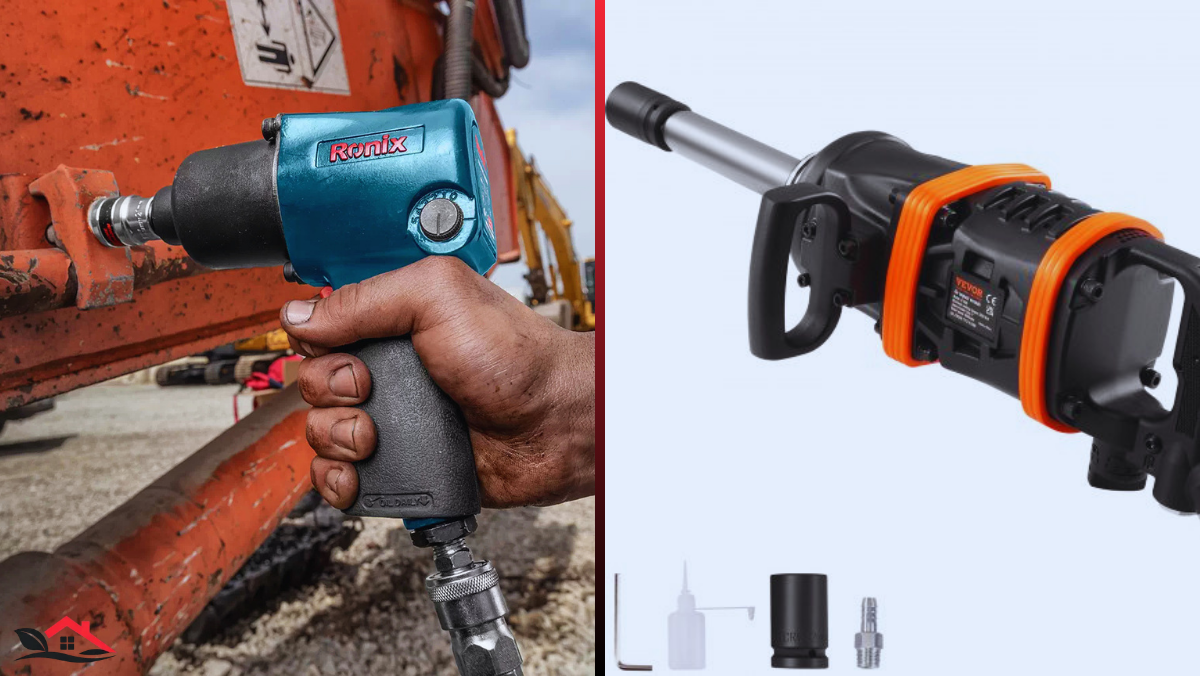
A pneumatic impact wrench is one of the most essential tools in professional workshops, automotive garages, and industrial environments. Known for its incredible torque and efficiency, this air-powered tool makes loosening and tightening stubborn fasteners fast and effortless. Whether you’re removing rusted lug nuts or assembling heavy machinery, a pneumatic impact wrench delivers performance that manual tools simply cannot match.
In this in-depth guide, you’ll learn everything you need to know about a pneumatic impact wrench—from how it works and its key features to choosing the right model and using it safely. This article is designed to give you expert-level clarity while remaining practical and easy to understand.
What Is a Pneumatic Impact Wrench?
A pneumatic impact wrench is a power tool that uses compressed air to generate high torque output. Unlike traditional wrenches that rely on human force, this tool produces rapid bursts of rotational force to loosen or tighten nuts and bolts efficiently.
It connects to an air compressor through a hose, which supplies pressurized air to drive an internal motor. The result is a compact yet powerful tool capable of handling demanding fastening tasks in seconds.
This makes pneumatic impact wrenches especially popular in:
- Automotive repair and tire service
- Construction and structural assembly
- Industrial manufacturing
- Heavy equipment maintenance
How a Pneumatic Impact Wrench Works
Understanding how a pneumatic impact wrench operates helps explain why it’s so powerful and effective.
Compressed Air System
The tool is powered by compressed air delivered through a hose. The air pressure, usually measured in PSI (pounds per square inch), directly influences the wrench’s performance.
Air Motor Function
Inside the tool, compressed air spins a motor fitted with rotating vanes. This motor converts air pressure into rotational motion.
Hammer and Anvil Mechanism
The real strength of a pneumatic impact wrench lies in its hammer mechanism. Instead of applying continuous force, it builds up energy and releases it in short, high-impact bursts.
These impacts strike the anvil (the output shaft), creating powerful torque that can break loose even the most stubborn fasteners.
Intermittent Torque Delivery
Because torque is delivered in pulses rather than constant force, the tool reduces strain on the user’s hands while maximizing efficiency. This also helps prevent damage to fasteners.
Key Features of a Pneumatic Impact Wrench
A high-quality pneumatic impact wrench includes several features that enhance its performance and usability.
High Torque Output
One of the biggest advantages is the ability to generate extremely high torque, often exceeding what electric tools can provide.
Lightweight Construction
Since the power source is external, the tool itself remains relatively lightweight, making it easier to handle during extended use.
Variable Speed and Torque Control
Many models allow you to adjust torque levels and speed, giving you better control for different applications.
Durable Build
Pneumatic tools are built for long-term use. They are less prone to overheating and can withstand harsh working conditions.
Quick Socket Changes
Most models feature a square drive that allows for fast and secure socket attachment.
Types of Pneumatic Impact Wrench
There are several types of pneumatic impact wrench, each designed for specific tasks.
Pistol Grip Pneumatic Impact Wrench
This is the most common type. It resembles a drill and is widely used in automotive applications.
Inline Pneumatic Impact Wrench
This type has a straight design, making it ideal for working in tight or hard-to-reach spaces.
Heavy-Duty Pneumatic Impact Wrench
Designed for industrial use, these tools provide extremely high torque for large bolts and heavy machinery.
Mini Pneumatic Impact Wrench
Compact and lightweight, this version is perfect for smaller jobs or areas with limited space.
Common Uses of a Pneumatic Impact Wrench
A pneumatic impact wrench is a versatile tool used across multiple industries.
Automotive Work
- Removing wheel lug nuts
- Performing brake and suspension repairs
- Engine assembly and disassembly
Construction Projects
- Steel framework assembly
- Structural fastening
- Equipment installation
Industrial Applications
- Manufacturing assembly lines
- Maintenance of heavy machinery
- Pipeline and infrastructure work
Home Garage Use
- Car maintenance
- DIY mechanical projects
- Repair tasks involving bolts and fasteners
Advantages of Using a Pneumatic Impact Wrench
Exceptional Power
The primary advantage is its ability to produce high torque effortlessly, making difficult jobs easy.
Continuous Operation
Unlike electric tools, a pneumatic impact wrench can run for long periods without overheating.
Reduced User Fatigue
The burst-action mechanism reduces the amount of physical effort required.
Durability and Longevity
These tools are designed for heavy use and typically last longer than many electric alternatives.
Cost-Effective in Professional Settings
While the initial setup may include an air compressor, pneumatic tools are often more economical over time due to their durability.
Limitations of a Pneumatic Impact Wrench
Despite its strengths, there are a few limitations to consider.
Requires an Air Compressor
You cannot use a pneumatic impact wrench without a compressor, which adds to the overall setup cost.
Limited Portability
The need for an air hose and compressor reduces mobility compared to cordless tools.
Noise Levels
These tools can be quite loud, especially in enclosed environments.
Air Supply Dependence
Inconsistent air pressure can affect performance, making a reliable compressor essential.
Pneumatic Impact Wrench vs Electric Impact Wrench
Choosing between a pneumatic impact wrench and an electric one depends on your needs.
Pneumatic Impact Wrench
- Higher torque output
- Better for continuous heavy-duty work
- Requires compressor
Electric Impact Wrench
- More portable
- Easier to set up
- Ideal for occasional or light-duty use
For professional environments, pneumatic tools are often the preferred choice due to their power and reliability.
How to Choose the Right Pneumatic Impact Wrench
Selecting the right pneumatic impact wrench involves several important considerations.
Torque Requirements
Choose a tool with enough torque for your specific tasks. Automotive work typically requires moderate torque, while industrial jobs demand higher levels.
Drive Size
- 1/4 inch: Light-duty work
- 3/8 inch: General tasks
- 1/2 inch: Automotive use
- 3/4 inch or larger: Heavy-duty applications
Air Compressor Compatibility
Ensure your compressor can provide the required PSI and CFM for optimal performance.
Ergonomics
Look for a comfortable grip and balanced design to reduce fatigue during extended use.
Build Quality
Durable materials and reliable mechanisms, such as twin hammer systems, ensure long-term performance.
How to Use a Pneumatic Impact Wrench Safely
Proper use is essential for both efficiency and safety.
Basic Operation
- Connect the wrench to the air compressor
- Attach the correct impact socket
- Adjust torque settings if available
- Place the socket securely on the fastener
- Press the trigger gradually
Safety Tips
- Wear safety goggles and gloves
- Use only impact-rated sockets
- Avoid excessive torque to prevent damage
- Maintain a firm grip on the tool
- Keep hands away from moving parts
Maintenance Tips for a Pneumatic Impact Wrench
Proper maintenance ensures consistent performance and extends the tool’s lifespan.
Regular Lubrication
Add air tool oil to keep internal components working smoothly.
Inspect Air Lines
Check hoses and connections for leaks or damage.
Clean the Tool
Remove dust and debris after use to prevent buildup.
Check Fasteners and Parts
Ensure all components are secure and functioning properly.
Store Properly
Keep the tool in a clean, dry place to prevent corrosion.
Real-World Example of Pneumatic Impact Wrench Use
In a busy tire shop, mechanics often need to remove dozens of lug nuts quickly. A pneumatic impact wrench allows them to complete this task in seconds, significantly improving productivity.
Similarly, in construction, workers rely on these tools to assemble steel structures efficiently. Without them, such tasks would require far more time and effort.
FAQs About Pneumatic Impact Wrench
What is a pneumatic impact wrench used for?
A pneumatic impact wrench is used for loosening and tightening nuts and bolts, especially those that are rusted or over-tightened.
How powerful is a pneumatic impact wrench?
A pneumatic impact wrench can produce very high torque, often ranging from hundreds to thousands of foot-pounds depending on the model.
Do I need an air compressor to use a pneumatic impact wrench?
Yes, a pneumatic impact wrench requires an air compressor to supply the compressed air needed for operation.
Is a pneumatic impact wrench suitable for beginners?
Yes, beginners can use a pneumatic impact wrench, but they should start with lower torque settings and follow safety precautions.
How do I maintain a pneumatic impact wrench?
Regular lubrication, checking air hoses, cleaning the tool, and proper storage are essential for maintaining a pneumatic impact wrench.
Conclusion
A pneumatic impact wrench is a powerful, reliable, and highly efficient tool that plays a crucial role in automotive, construction, and industrial work. Its ability to deliver high torque through compressed air makes it ideal for handling tough fastening tasks with ease.
While it requires an air compressor and proper setup, the performance benefits far outweigh the limitations. For professionals and serious DIY users, investing in a pneumatic impact wrench is a smart decision that enhances productivity and reduces effort.
With proper use and maintenance, a pneumatic impact wrench can provide years of dependable service, making it one of the most valuable tools in any workshop or job site.
You May Also Read: The Home Gro
