

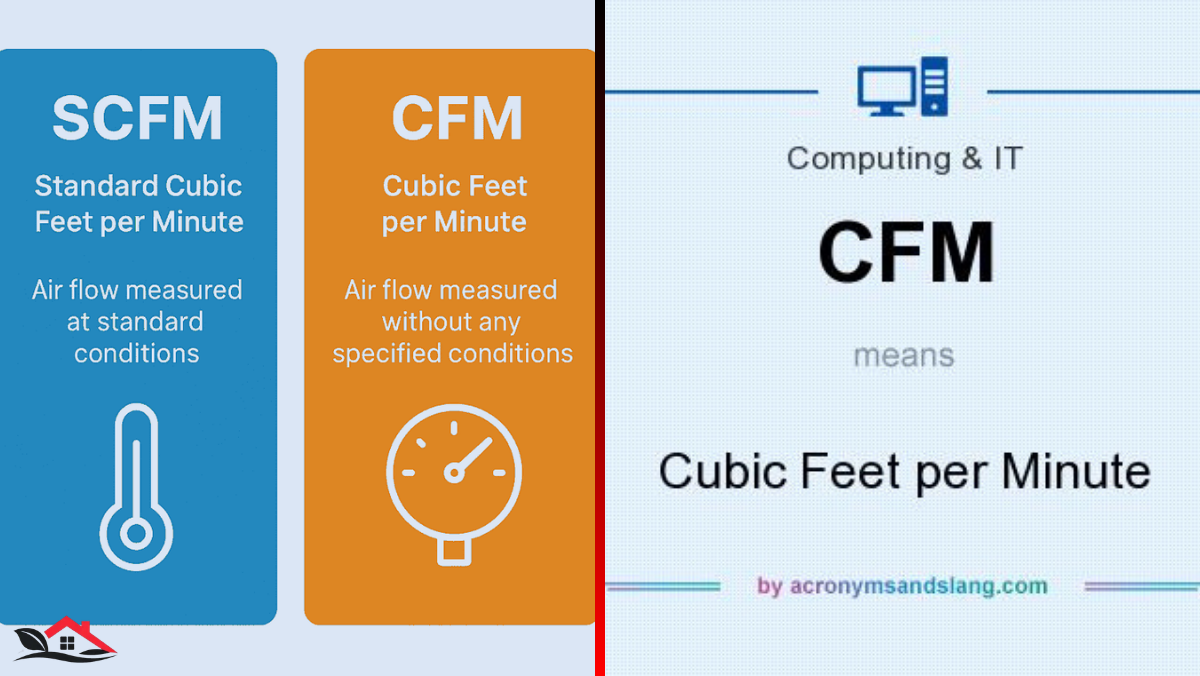
Introduction to CFM Meaning
If you’ve ever compared fans, air conditioners, or ventilation systems, you’ve probably seen the term CFM listed in the specifications. Understanding CFM meaning is essential for making informed decisions about airflow, whether you’re improving indoor air quality, selecting an HVAC system, or choosing equipment like exhaust fans or air compressors.
CFM stands for cubic feet per minute, and it measures the volume of air that moves through a system in one minute. While the concept is simple, its impact is significant. The right CFM ensures comfort, efficiency, and proper system performance, while the wrong airflow can lead to poor results, higher energy bills, and even equipment damage.
This comprehensive guide explains CFM meaning in depth, covering how it works, how to calculate it, and how to apply it in real-world situations.
What Is CFM Meaning?
At its core, CFM meaning refers to the rate of airflow—how much air passes through a space or system over time.
Breaking it down:
- Cubic feet: A unit of volume (length × width × height)
- Per minute: The time interval
So, CFM tells you how many cubic feet of air move in one minute.
Simple Visualization
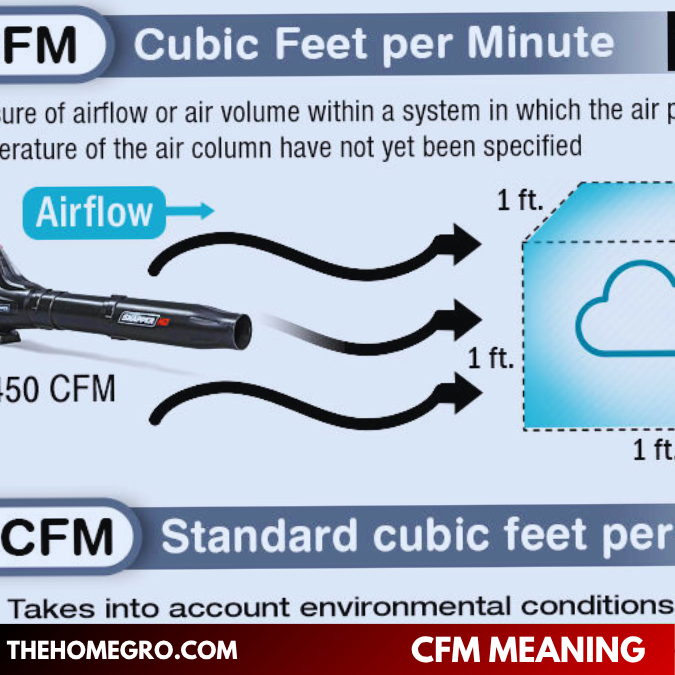
Imagine a box that is 1 foot wide, 1 foot long, and 1 foot high. That box contains 1 cubic foot of air. If 500 such boxes of air pass through a duct in one minute, the airflow is 500 CFM.
This measurement is widely used because it provides a clear, consistent way to quantify airflow across different systems and industries.
Why CFM Meaning Matters
Understanding CFM meaning isn’t just for engineers—it has real-world importance for homeowners, technicians, and anyone dealing with airflow systems.
Comfort and Temperature Control
In heating and cooling systems, airflow determines how evenly temperature is distributed. Proper CFM ensures:
- Balanced temperatures in all rooms
- Elimination of hot or cold spots
- Consistent airflow throughout the space
Too little airflow can make rooms feel stuffy, while too much can create uncomfortable drafts.
Energy Efficiency
Correct airflow helps systems operate efficiently. When CFM is properly matched:
- Equipment doesn’t have to work as hard
- Energy consumption stays lower
- System lifespan increases
Incorrect airflow often leads to wasted energy and higher utility costs.
Indoor Air Quality
CFM directly affects ventilation. Higher airflow helps:
- Remove pollutants
- Reduce humidity
- Improve overall air freshness
This is especially important in kitchens, bathrooms, and tightly sealed buildings.
CFM Meaning in HVAC Systems
One of the most important applications of CFM meaning is in HVAC (heating, ventilation, and air conditioning) systems.
How CFM Works in HVAC
In HVAC systems, CFM measures:
- Air delivered through supply vents
- Air returned through ducts
- Overall airflow circulation
This airflow determines how effectively a system can heat or cool a space.
Standard Rule of Thumb
A commonly used guideline is:
- 400 CFM per ton of air conditioning capacity
For example:
- 1-ton AC system → 400 CFM
- 2-ton AC system → 800 CFM
- 3-ton AC system → 1,200 CFM
This rule helps ensure that the system delivers enough air to maintain comfort.
Effects of Incorrect CFM
Low CFM can lead to:
- Poor heating or cooling performance
- Frozen evaporator coils
- Reduced efficiency
High CFM can cause:
- Excessive noise
- Uneven airflow
- Increased wear on components
How to Calculate CFM
Understanding CFM meaning also involves knowing how to calculate it for different applications.
Basic Formula
A commonly used formula is:
CFM = (Room Volume × Air Changes per Hour) ÷ 60
Where:
- Room Volume = length × width × height
- Air Changes per Hour (ACH) = how often the air is replaced
Example Calculation
Consider a room:
- Length: 12 feet
- Width: 12 feet
- Height: 8 feet
Room volume = 12 × 12 × 8 = 1,152 cubic feet
If the desired air changes per hour is 6:
CFM = (1,152 × 6) ÷ 60 = 115.2
So, the room requires approximately 115 CFM for proper ventilation.
CFM Meaning vs Other Airflow Measurements
To fully understand CFM meaning, it’s helpful to compare it with other related terms.
CFM vs SCFM
- CFM: Actual airflow under current conditions
- SCFM (Standard CFM): Airflow measured under standardized conditions
SCFM allows accurate comparisons between equipment.
CFM vs PSI
- CFM measures airflow volume
- PSI (pounds per square inch) measures pressure
Both are important, especially in air compressors.
CFM vs FPM
- CFM: Volume flow rate
- FPM (feet per minute): Air velocity
They are related but not interchangeable.
Real-World Examples of CFM
Understanding CFM meaning becomes easier when applied to everyday scenarios.
Bathroom Exhaust Fans
- Typical range: 50–110 CFM
- Used to remove moisture and odors
Kitchen Range Hoods
- Typical range: 200–600+ CFM
- Higher airflow needed for cooking smoke and grease
Ceiling Fans
- Often exceed 3,000 CFM
- Designed for air circulation rather than ventilation
Residential HVAC Systems
- Small homes: 800–1,200 CFM
- Larger homes: 2,000+ CFM
Each application requires different airflow levels depending on its purpose.
Factors That Affect CFM
CFM is influenced by multiple variables, and understanding them helps optimize performance.
Room Size
Larger spaces require more airflow to maintain comfort.
Duct Design
- Long ducts reduce airflow
- Sharp bends create resistance
- Poor design lowers effective CFM
Air Filters
Dirty or clogged filters restrict airflow and reduce CFM significantly.
Equipment Capacity
Fans, blowers, and compressors all have maximum airflow ratings that determine achievable CFM.
How to Choose the Right CFM
Selecting the correct CFM depends on the intended application.
For HVAC Systems
- Use load calculations for accuracy
- Follow the 400 CFM per ton guideline
- Consider insulation and climate
For Exhaust Fans
- Match airflow to room size
- Consider moisture and usage levels
For Air Compressors
- Check tool requirements
- Ensure consistent airflow supply
Choosing the right CFM ensures efficiency, comfort, and long-term reliability.
Common Misconceptions About CFM Meaning
Higher CFM Is Always Better
This is a common myth. Too much airflow can:
- Increase noise
- Waste energy
- Reduce comfort
CFM Alone Determines Performance
CFM is important, but it must be considered alongside:
- Pressure
- System design
- Efficiency
All CFM Ratings Are Equal
CFM values can vary depending on testing conditions and system setup.
CFM Meaning in Different Industries
CFM is used across many industries beyond residential HVAC.
Industrial Ventilation
Factories rely on proper airflow to remove fumes, dust, and contaminants.
Data Centers
Cooling systems use high CFM to prevent overheating of servers.
Agriculture
Greenhouses depend on airflow to regulate temperature and humidity.
Automotive Applications
CFM is used in engine airflow and cooling systems.
Tips to Improve CFM Efficiency
Improving airflow can enhance system performance and reduce costs.
Maintain Your System
- Replace filters regularly
- Clean vents and ducts
Optimize Ductwork
- Seal leaks
- Reduce unnecessary bends
Upgrade Equipment
Modern systems often provide better airflow with improved efficiency.
Balance Airflow
Ensure even distribution across all rooms to avoid hot and cold spots.
FAQ About CFM Meaning
What does CFM meaning refer to?
CFM meaning refers to cubic feet per minute, which measures how much air flows through a system each minute.
Why is CFM important in HVAC systems?
CFM determines how effectively air is distributed, affecting comfort, efficiency, and system performance.
How much CFM do I need for my home?
A general rule is 400 CFM per ton of cooling, but exact requirements depend on room size and design.
Can low CFM damage equipment?
Yes, low airflow can cause overheating, freezing coils, and reduced efficiency.
Is CFM the same as air pressure?
No, CFM measures airflow volume, while pressure is measured in PSI.
Conclusion: Mastering CFM Meaning for Better Decisions
Understanding CFM meaning gives you a powerful advantage when working with airflow systems. Whether you’re selecting an HVAC unit, installing a fan, or improving ventilation, knowing how much air moves through a system is essential.
CFM is more than just a number—it directly affects comfort, energy efficiency, and equipment performance. Too little airflow leads to poor results, while too much can create inefficiencies. The key is finding the right balance for your specific needs.
By learning how CFM works, how to calculate it, and how to apply it in real-world situations, you can make smarter, more confident decisions that improve both comfort and system performance.
You May Also Read: The Home Gro
