

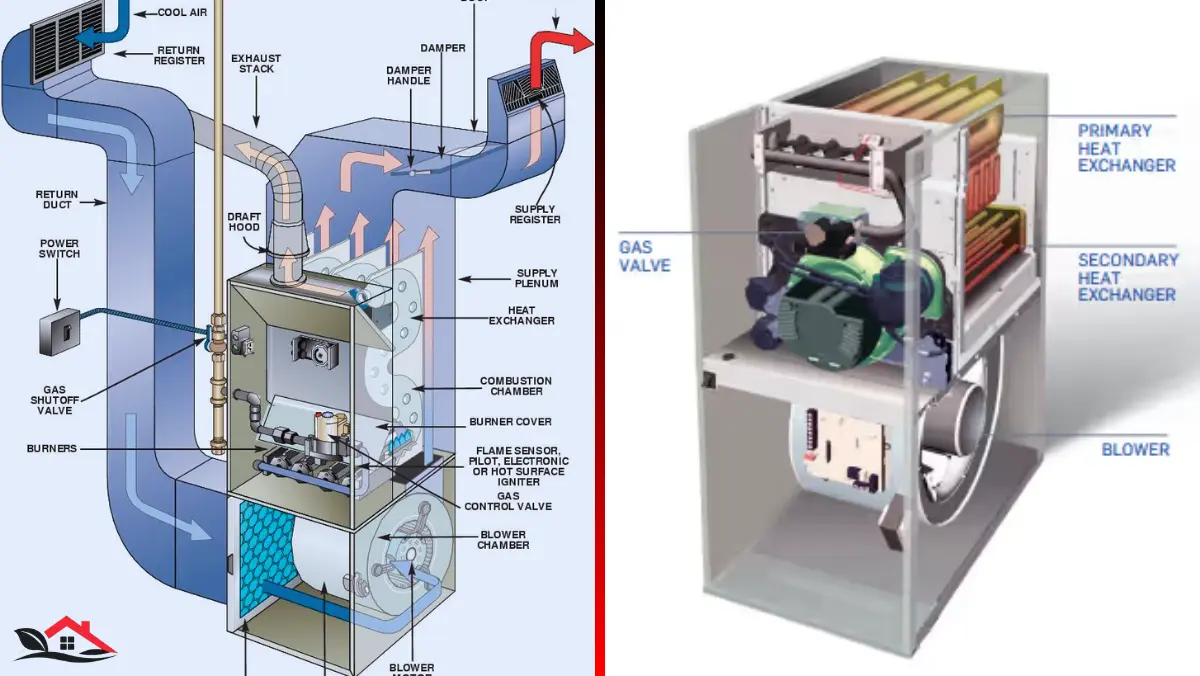
Carrier furnace parts are essential to keeping your heating system running efficiently, safely, and reliably. Whether you’re a homeowner trying to understand your furnace better or someone dealing with a repair issue, knowing how these parts work can make a big difference in both comfort and cost savings.
This comprehensive guide covers everything you need to know about Carrier furnace parts—from major components and their functions to common failures, replacement costs, and expert maintenance tips. By the end, you’ll have a clear, practical understanding of how your furnace operates and what it takes to keep it in top condition.
What Are Carrier Furnace Parts?
Carrier furnace parts are the individual components that make up a Carrier heating system. Each part plays a specific role in producing heat, distributing warm air, and ensuring safe operation.
Unlike generic components, Carrier furnace parts are designed to meet exact specifications for compatibility and performance. This precision helps maintain system efficiency and reduces the risk of breakdowns caused by improper fit or substandard materials.
These parts can be grouped into three main categories:
- Heating components (burner, heat exchanger)
- Air circulation components (blower motor, fan)
- Control and safety components (thermostat, sensors, switches)
Together, they create a complete heating cycle that keeps your home warm during colder months.
How Carrier Furnace Parts Work Together
To fully understand Carrier furnace parts, it’s helpful to see how they function as a system.
When your thermostat detects a drop in temperature, it signals the furnace to start. The ignitor activates, lighting the burner. The heat exchanger warms up as combustion occurs, and the blower motor pushes heated air through your ductwork.
At the same time, safety components like the flame sensor and limit switch monitor the system. If anything goes wrong, they shut the furnace down to prevent damage or hazards.
This coordinated process happens quickly and repeatedly, often hundreds of times during a heating season.
Main Carrier Furnace Parts and Their Functions
Burner Assembly
The burner is where fuel combustion happens. It mixes gas with air and ignites to produce heat. A properly functioning burner ensures efficient and consistent heating.
Heat Exchanger
The heat exchanger transfers heat from the burner to the air without allowing harmful gases to escape into your home. It’s one of the most critical Carrier furnace parts for both performance and safety.
Blower Motor
The blower motor circulates warm air throughout your home. It also pulls cooler air back into the furnace for reheating, maintaining a continuous cycle.
Ignitor
Modern Carrier furnaces use electronic ignitors instead of pilot lights. The ignitor heats up and ignites the gas in the burner. Because it operates frequently, it’s one of the most commonly replaced parts.
Flame Sensor
The flame sensor ensures that the burner flame is present. If it fails to detect a flame, it shuts off the gas supply to prevent dangerous buildup.
Control Board
The control board acts as the brain of the system. It manages all operations, including ignition timing, blower activity, and safety checks.
Inducer Motor
This component helps remove combustion gases from the furnace. It ensures proper ventilation and safe operation.
Air Filter
The air filter traps dust, dirt, and allergens before air enters the furnace. A clean filter improves efficiency and protects internal components.
Secondary Carrier Furnace Parts You Should Know
While major components get most of the attention, several smaller Carrier furnace parts are equally important.
Gas Valve
Controls the flow of gas into the burner. It opens and closes based on signals from the control board.
Pressure Switch
Ensures that the inducer motor is working properly and that exhaust gases are being vented safely.
Limit Switch
Prevents overheating by shutting off the furnace if temperatures exceed safe levels.
Capacitors
Provide the electrical boost needed to start motors like the blower or inducer.
Relays
Help control electrical currents and ensure components operate in the correct sequence.
These supporting parts play a crucial role in maintaining system stability and safety.
Common Carrier Furnace Parts That Fail
Even high-quality Carrier furnace parts wear out over time. Understanding common failure points can help you diagnose problems early.
Ignitor Failure
Ignitors experience high heat and frequent use, making them prone to cracking or burning out.
Flame Sensor Issues
Dirt or corrosion can prevent the sensor from detecting a flame, causing the furnace to shut down.
Blower Motor Wear
Over time, bearings and internal components wear out, leading to noise or reduced airflow.
Control Board Malfunction
Electrical surges or aging components can cause the control board to fail, disrupting the entire system.
Inducer Motor Problems
Debris buildup or wear can prevent proper venting, causing the furnace to stop working.
Heat Exchanger Damage
Although rare, cracks in the heat exchanger are serious and often require expensive repairs or replacement.
Cost of Carrier Furnace Parts
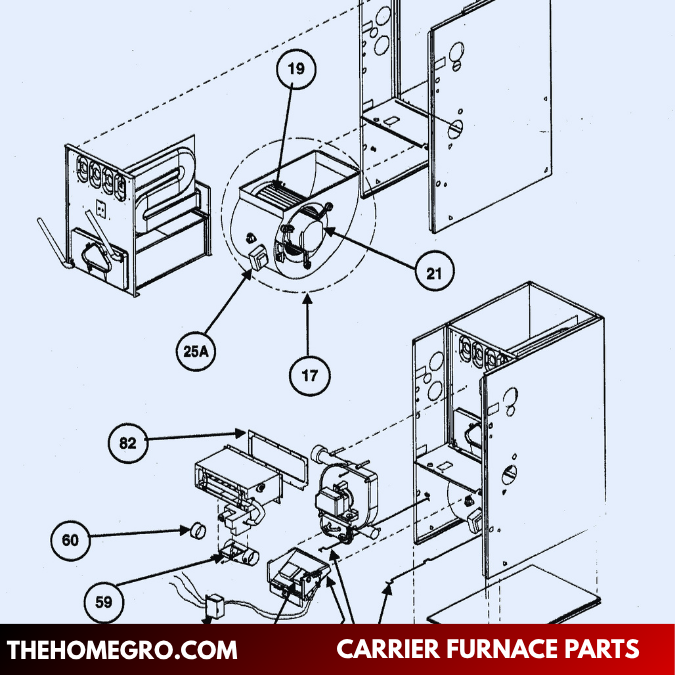
The cost of Carrier furnace parts varies depending on the type of component and the complexity of the repair.
Typical Price Ranges
- Ignitor: $80 to $200
- Flame sensor: $50 to $150
- Blower motor: $300 to $700
- Control board: $150 to $600
- Inducer motor: $300 to $1,000 or more
- Heat exchanger: $1,000 to $2,500 or more
Labor costs can add significantly to these prices, especially for complex repairs.
What Affects Cost?
- Furnace model and age
- Availability of parts
- Labor requirements
- OEM vs aftermarket parts
Choosing genuine Carrier furnace parts may cost more upfront but often saves money in the long run through better reliability.
Why Genuine Carrier Furnace Parts Are Important
Using original Carrier furnace parts offers several benefits:
Reliable Performance
OEM parts are designed specifically for your system, ensuring optimal performance.
Safety Assurance
Genuine parts meet strict safety standards, reducing the risk of hazards.
Longer Lifespan
High-quality materials and precise engineering extend the life of your furnace.
Warranty Protection
Using non-approved parts can void manufacturer warranties.
How to Choose the Right Carrier Furnace Parts
Selecting the correct Carrier furnace parts requires careful attention.
Check Your Furnace Model
Always start by locating the model and serial number on your furnace.
Verify Part Numbers
Match the exact part number to ensure compatibility.
Use Manufacturer Resources
Technical manuals and diagrams can help identify the correct component.
Consult Professionals
HVAC technicians can recommend the right parts and handle installation safely.
Maintenance Tips for Carrier Furnace Parts
Proper maintenance can extend the life of your Carrier furnace parts and reduce repair costs.
Change Filters Regularly
Replace air filters every 1 to 3 months to maintain airflow and efficiency.
Schedule Annual Service
Professional inspections help catch issues early and keep the system running smoothly.
Keep Components Clean
Dust and debris can affect performance, especially in sensors and motors.
Monitor System Behavior
Unusual noises or inconsistent heating often indicate a problem with one or more parts.
Signs You Need to Replace Carrier Furnace Parts
Recognizing warning signs early can prevent costly breakdowns.
- Furnace won’t start
- Weak airflow or uneven heating
- Strange noises such as banging or grinding
- Frequent cycling on and off
- Higher energy bills
- Burning smells or unusual odors
These symptoms often point to failing Carrier furnace parts that need attention.
Repair vs Replacement: What’s the Right Choice?
Deciding whether to repair or replace Carrier furnace parts depends on the situation.
Choose Repair When:
- The furnace is relatively new
- The issue is minor and isolated
- Repair costs are low
Consider Replacement When:
- The heat exchanger is damaged
- Repair costs are high
- The furnace is over 15 years old
In some cases, replacing the entire furnace may be more cost-effective than repeatedly replacing parts.
FAQ About Carrier Furnace Parts
What are the most common Carrier furnace parts?
Common Carrier furnace parts include ignitors, flame sensors, blower motors, control boards, and air filters. These components are essential for heating and airflow.
How long do Carrier furnace parts last?
Lifespans vary. Filters last a few months, ignitors may last several years, and major components like blower motors can last over a decade with proper maintenance.
Are Carrier furnace parts interchangeable?
Most Carrier furnace parts are not universal. They are designed for specific models, so using the correct part is essential.
Can I replace Carrier furnace parts myself?
While minor tasks like replacing filters are simple, most repairs should be handled by professionals due to safety concerns.
How do I know which part is faulty?
Signs like unusual noises, poor heating, or error codes can help identify failing Carrier furnace parts. A professional diagnosis is often recommended.
Are aftermarket parts reliable?
Aftermarket parts can be cheaper, but they may not match the quality, durability, or performance of genuine Carrier furnace parts.
Conclusion
Carrier furnace parts are the foundation of a dependable heating system. Each component, from the burner to the blower motor, plays a vital role in delivering consistent warmth and maintaining safety.
Understanding how these parts work, recognizing signs of failure, and investing in proper maintenance can help you avoid unexpected breakdowns and costly repairs. While some issues are minor, others require professional attention and high-quality replacement components.
By choosing the right Carrier furnace parts and taking a proactive approach to care, you can extend the life of your furnace and ensure efficient, reliable heating for years to come.
You May Also Read: The Home Gro
