
Managing a website is all about speed and quality. I use a page size checker to keep an eye on my site’s performance. This tool makes sure my site loads fast for everyone.
But, it’s not just about speed. I also make sure my text is perfect. Catching every spell mistake early helps me avoid embarrassing errors. This saves me a lot of time each week.
This way, I can focus on making great content. Whether you’re a developer or a writer, keeping things streamlined is key. I hope this guide helps you make your projects better.
Key Takeaways
- Combining technical and content audits improves overall workflow efficiency.
- Monitoring load times ensures a better experience for your site visitors.
- Eliminating text errors builds trust and maintains a professional brand image.
- Automated tools allow you to focus on creative tasks instead of manual checks.
- Consistent maintenance is the foundation of a successful digital presence.
The Emergence of Dual-Purpose Web Optimization Tools
The old days of using many SEO tools are fading away. Webmasters are now turning to dual-purpose diagnostic tools. These tools do many tasks in one place.
This change makes managing websites smarter. It saves time and keeps quality high. It’s great for those who want to work efficiently and accurately.

Why Combining Performance and Content Audits Matters
Technical performance and content quality are linked. When I check a website, I look for speed and error-free text. This ensures a smooth experience for visitors.
A fast site with bad content loses visitors. Good writing can’t make up for slow loading. Integrating these audits gives a complete view of site health without switching tools.
The Shift Toward Streamlined SEO Workflows
Now, we have more unified solutions. Before, I spent hours switching between tools to understand my site. Today, tools are more streamlined, keeping everything in one spot.
This change is more than just easier. It lets us dive deeper into analysis. We spend less time collecting data and more on strategy. This shift shows a move toward efficiency and clarity in digital care.
How I Discovered the Page Size Checker Spellmistake Utility
Optimizing my site was a big challenge until I found a page size checker. I used many browser extensions and web tools to keep my site up to date.
Identifying the Need for Faster Analysis
My daily tasks were slow and inefficient. I spent a lot of time switching tabs to check technical and content details.
The main problems were:
- Switching between technical and editorial platforms was a hassle.
- Different tools gave me inconsistent data.
- The tools themselves took too long to load.
I knew there had to be a better way to handle these tasks. The amount of manual work needed was too much for my growing project.
Testing the Efficiency of the Integrated Tool
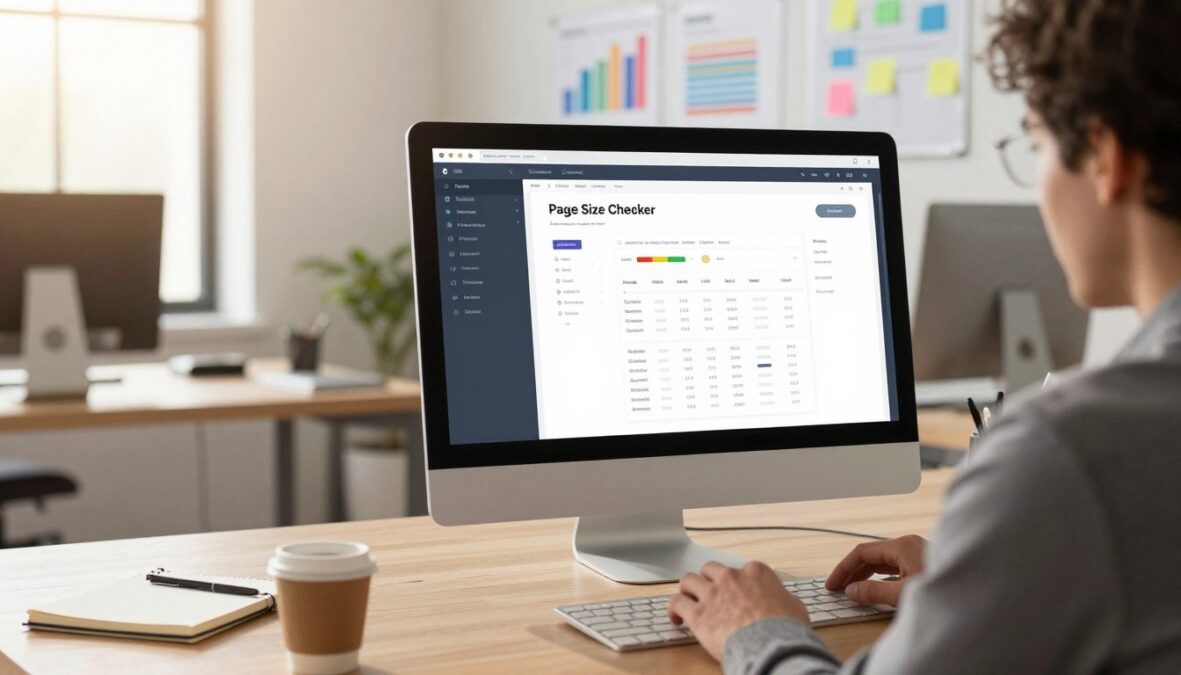
When I added a single tool to my workflow, things changed fast. I no longer had to visit five websites to check page size and find typos.
“Efficiency is not just about doing things faster; it is about removing the friction that prevents you from doing your best work.”
This new tool let me do a full audit much quicker. With one page size checker, I could see how my site’s tech and content worked together. This made maintaining my site much easier and more efficient.
Technical Breakdown of the Website Page Size Checker Features
I often find hidden performance issues in my site’s architecture. To find these, I use a website page size checker. It gives me a clear view of my digital assets. This helps me see what’s slowing down my site.
Analyzing Webpage Size Analyzer Metrics
The webpage size analyzer gives detailed data. It shows the total page weight in categories like scripts and media files. This detail is key to finding out what’s slowing my site.

Impact of Large Assets on SEO Page Size Tool Performance
An seo page size tool shows how big files slow down my site. Big files can keep my pages from ranking well. By watching these metrics, I can decide which files to shrink or remove.
Identifying Bloated Scripts and Unoptimized Images
JavaScript files and big images often slow down my site. These elements grow as I add new features. Here’s how different assets affect my site:
| Asset Type | Performance Impact | Optimization Strategy |
| Unoptimized Images | High | Compression & WebP format |
| Bloated Scripts | Critical | Minification & Deferral |
| External Stylesheets | Moderate | Concatenation |
Reducing Load Times for Better User Experience
Using a website page size checker helps me make my site fast. When I make my site faster, more people stay longer. A quick site is key to a great user experience.
Integrating the Spell Check Tool for Content Integrity
The secret to professional web content is in the details. Technical performance is key, but the quality of your writing is the heart of user engagement. A reliable spell check tool keeps my writing polished and authoritative.
The Importance of Error-Free Copy in Search Rankings
Search engines favor content that offers a smooth experience for readers. Pages with typos show a lack of detail, hurting your site’s quality in the eyes of algorithms. Clean, professional copy is vital for top search rankings and keeping visitors engaged.
How the Online Spell Checker Identifies Common Typos
I use an online spell checker to catch errors my eyes might miss. These tools find context-aware mistakes like homophones or missing punctuation. This saves time and ensures my work is ready for publication.
Automating the Spell Check Online Process
I automate the spell check online process for consistency across my site. Automation lets me scan quickly every time I update a post. This systematic approach is a game-changer for managing large content.
Avoiding the Negative Impact of a Spell Mistake on Credibility
A single spell mistake can harm the trust I’ve built with my audience. Poor grammar is often seen as a lack of expertise or professionalism. A strong spell check tool protects my brand and lets my message shine.
| Feature | Manual Review | Automated Tool |
| Speed | Slow | Instant |
| Accuracy | Variable | High |
| Context Awareness | High | Improving |
| Consistency | Low | Excellent |
Real-World Consequences of Neglecting Page Size and Spelling
I’ve learned that small mistakes in site performance can lead to big drops in user engagement. When I neglect my site’s technical health, my traffic numbers plummet fast. Visitors don’t have patience for slow or sloppy websites.
The Correlation Between Bounce Rates and Page Weight
Too much page weight can quickly scare off customers. Using a webpage size analyzer, I often find big images slow down my site. High bounce rates follow these technical issues.
Users want a smooth experience and won’t wait for slow sites. If your site loads slowly, visitors will leave. A good seo page size tool helps me spot these problems before they harm my sales.
“Quality is not an act, it is a habit.”
— Aristotle
How Spelling Errors Affect User Trust and Conversion
Content quality also affects how users see your brand. Even small typos can make visitors doubt your professionalism and trustworthiness. This can lower your conversion rates.
A site with spelling errors looks like it lacks attention to detail. This makes users hesitant to share their payment info or sign up. Keeping high standards in both tech and writing makes my audience trust their choices.
Industry Reactions to All-in-One Optimization Solutions
I’ve seen a big change in the SEO world. More people are using all-in-one tools instead of separate software. This change shows a need for streamlined efficiency in today’s fast-paced digital world.
What SEO Experts Are Saying About Integrated Audits
SEO leaders say combining technical checks with content quality saves time. Using a good spell check tool with performance monitors helps fix many problems at once. They say this approach lowers the chance of mistakes when updating websites.
“The future of SEO lies in the seamless integration of technical performance and content integrity. Tools that bridge this gap are becoming essential for any serious web professional.”
— Digital Strategy Analyst
Now, many prefer an online spell checker that’s part of their technical audit tool. This is because they want to keep high standards without switching between different tools.
The Future of Web Maintenance Software
I think developers will focus on making all-in-one solutions. The need for a good spell check tool will grow as site owners see how important content quality is. Future tools will use AI to make these audits even easier.
| Feature | Traditional Tools | Integrated Platforms |
| Workflow Speed | Slow | Fast |
| Data Accuracy | Moderate | High |
| User Experience | Fragmented | Seamless |
| Maintenance Cost | High | Optimized |
Using an online spell checker in a bigger maintenance suite is now standard. As these tools get better, they’ll make managing websites easier and error-free.
My Personal Workflow for Regular Site Audits
Keeping my digital presence strong is all about good habits. I don’t wait for problems to pop up. Instead, I stay ahead with a proactive plan. This keeps my projects fast, reliable, and top-notch.
Setting Up a Routine to Check Page Size Regularly
I set aside time every two weeks to check page size on key pages. A trusted website page size checker helps me find big files or images that slow things down. This way, I catch issues before they hurt my search rankings.
Being consistent is key. I schedule these checks like any other important task. This habit keeps my site running smoothly and my visitors happy.
Balancing Technical Performance with Content Quality
Speed is important, but so is the quality of my content. During audits, I do a spell check online to catch any mistakes. Error-free writing builds trust and shows I’m an expert in my field.
Handling both technical and content tasks makes my workflow better. Using a website page size checker and spell check online covers everything. This way, I can grow my projects without losing quality or speed.
My aim is to make these audits a normal part of my routine. By regularly checking page size and reviewing my content, I safeguard my work. This ensures my site stays at its best for years.
Conclusion
Managing a website is all about keeping it fast and error-free. Using a tool that checks both page size and spelling saves time. This way, your visitors get a smooth experience.
Staying on top of your site’s performance is key to ranking well in search results. Even small tweaks can make a big difference in how users feel about your site. When pages load fast and text is correct, you earn your visitors’ trust.
I suggest you start using these tips to make your web upkeep easier. Focus on speed and accuracy to stand out online. Begin your next audit today and see how it boosts your site’s performance.
FAQ
Why do I need to use a website page size checker and a spell check tool together?
Managing a successful site needs balance. A website page size checker and a spell check tool help me achieve this. They ensure my pages load fast and look professional.Ignoring either aspect can harm user experience. So, I check both to save time and keep standards high.
How does a webpage size analyzer help improve my site’s SEO?
A webpage size analyzer shows me what slows my site down. It points out unoptimized images and heavy scripts. Google values page speed for ranking.Using an SEO page size tool helps me cut down on unnecessary content. A lighter page size boosts search visibility and lowers bounce rates.
Can a single spell mistake really hurt my brand’s credibility?
Yes, a small spelling error can make my site look amateurish. This erodes user trust. That’s why I use an online spell checker to catch typos.Accurate copy makes me look like an authority in my niche. It also makes readers feel comfortable engaging with my content.
How often should I check page size to ensure my performance remains optimal?
I check page size every time I upload new media or update my site’s design. Regular checks prevent “plugin bloat” and keep load times consistent.I’ve made this a part of my monthly maintenance routine. Tools like Lighthouse help me ensure my site’s performance doesn’t slip.
Is it better to use an automated spell check online or review content manually?
I use a hybrid approach. I always do a manual read-through, but I also use a tool for online spell checking. This catches errors my eyes might miss.Automating this with a reliable tool like Grammarly lets me focus on creativity. It ensures my grammar is flawless.
What are the common issues an seo page size tool identifies?
An SEO page size tool usually finds bloated JavaScript files and unminified CSS. It also spots high-resolution images that haven’t been compressed.By identifying these heavy elements, I can reduce data transfer. This is key for mobile users on slower networks.
Do professional SEO experts recommend these integrated auditing tools?
Yes, many experts at Moz and Ahrefs recommend these tools. They see a page size checker and a spell check tool as essential for site health.There’s a big shift in the industry towards these tools. They help developers and creators maintain a high-quality digital presence efficiently.
How does reducing page weight affect my conversion rates?
Reducing page weight makes my site faster. This leads to more visitors becoming customers. A fast site reduces frustration and site abandonment.When I combine a fast site with error-free content, my conversion metrics and user retention improve.
You May Also Read: The Home Gro
