

Table Of Contents
- Why Weather Changes Pest Activity
- Seasonal Pest Patterns To Watch
- How Heat Affects Insects
- Rain, Standing Water, And Mosquitoes
- Dry Weather And Indoor Pest Movement
- Common Entry Points Around The Home
- A Simple Weather-Based Prevention Plan
- When To Use DIY Methods Or Professional Help
- Common Questions About Weather And Pests
- Final Takeaway
The weather can quickly change pest activity, even in homes that are kept clean and well-maintained. Heat, rain, drought, wind, and sudden temperature shifts influence where insects and rodents find food, water, shade, and shelter. Homeowners who understand these patterns can take practical steps before a minor sighting becomes a larger problem. For local inspection and treatment support, Green Mango Pest Control can help identify conditions that may be encouraging pests around a property. A spotless kitchen is helpful, but cleanliness is only one part of prevention. Ants may follow moisture from a leaking pipe, mosquitoes can develop near forgotten water containers, and rodents may enter through a small gap when outdoor shelter becomes less comfortable. The weather does not cause every infestation, but it often changes when and where pests look for a place to survive more easily.
Why Weather Changes Pest Activity
Pests respond to their environment. Rising temperatures can increase movement and feeding, while moisture can support breeding or create attractive hiding places. Strong winds and storms may disturb nests, and cooler nights can push certain animals toward garages, attics, wall voids, or protected landscaping. The important point is simple: pest pressure often changes with external conditions. Instead of waiting for repeated sightings indoors, look for the resources pests need first. Water, accessible food, thick vegetation, clutter, and small exterior gaps can turn a temporary weather-related visit into a continuing problem.
Seasonal Pest Patterns To Watch
Pest activity does not follow one identical schedule in every region, but seasonal changes often create familiar patterns around homes.
- Early spring: Ants, flies, termites, and other insects may become more visible as temperatures rise and moisture increases.
- Summer: Warm conditions can support faster insect activity, while cookouts, pet bowls, and outdoor trash add food and water sources.
- Late summer: Humidity, irrigation, and storms can increase activity around damp soil, drains, and standing water.
- Fall: Rodents, spiders, and other pests may seek protected indoor spaces as outdoor temperatures and food supplies change.
- Winter: Outdoor activity may slow, but heated homes, stored food, and hidden moisture can still support pests inside.
How Heat Affects Insects
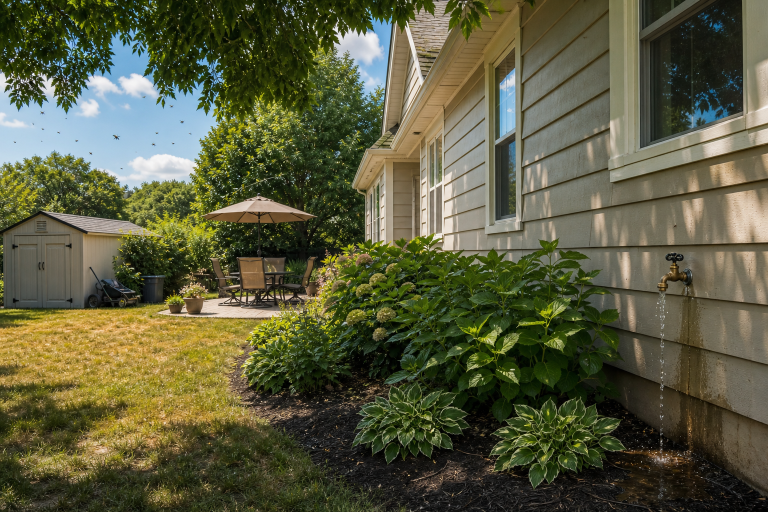
Warm weather often makes insects more active, but extreme heat can also drive them away from direct sunlight. Ants may trail toward water, cockroaches may favor humid hiding spaces, and spiders may settle where insects are already gathering. Shaded patios, dense shrubs, cluttered garages, and areas near leaking outdoor faucets can become especially inviting during long hot spells. Reduce those advantages by keeping outdoor storage orderly, repairing leaks, and maintaining a clear strip between landscaping and the home. This does not make a property pest-proof, but it removes convenient shelter and travel routes.
Rain, Standing Water, And Mosquitoes
After rain or an irrigation issue, even small amounts of water deserve attention. The CDC recommends that households empty and scrub, turn over, cover, or remove items that hold water at least once each week, helping limit places where mosquitoes can lay eggs. Walk the yard after a storm and check flowerpot saucers, children’s toys, blocked gutters, pool covers, buckets, bins, old tires, birdbaths, and tarps. Repairing torn window screens, keeping exterior doors closed, and correcting poor drainage can also make it harder for mosquitoes to reach living areas.
Dry Weather And Indoor Pest Movement
Dry weather can create a different kind of pressure. When soil and natural water sources dry out, pests may concentrate around irrigation lines, pet water bowls, air-conditioning condensate, damp mulch, and plumbing leaks. Small gaps near doors, windows, pipes, utility lines, and foundation openings can become more noticeable as pests search for moisture and cooler shelter. Check moisture-prone spaces without assuming the worst. A quick look beneath sinks, behind appliances, around water heaters, and near outdoor spigots can reveal issues worth fixing early.
Common Entry Points Around The Home
A 20-minute exterior inspection can identify many common access points. Put this checklist on a monthly routine, especially after severe weather:
- Check weather stripping and seals around exterior and garage doors.
- Inspect window screens for tears, loose edges, and poor-fitting frames.
- Look for gaps around pipes, cables, vents, and utility openings.
- Trim branches and plants that touch walls, roofs, or windows.
- Move firewood, cardboard, leaf piles, and yard debris away from the structure.
- Repair dripping faucets and damaged irrigation lines.
- Clean gutters and clear leaves from drains.
A Simple Weather-Based Prevention Plan
- Check the forecast: Pay attention to heat waves, heavy rain, strong winds, and sudden cooling.
- Inspect water sources: Remove standing water and address leaks after storms or irrigation problems.
- Seal easy openings: Focus on doors, screens, vents, and utility penetrations.
- Reduce shelter: Clear clutter, weeds, dense ground cover, and unused materials.
- Store food correctly: Keep pantry goods, pet food, and birdseed in sealed containers.
- Track repeat activity: Note the location, time, and conditions surrounding sightings.
- Respond early: Address recurring signs before pests spread into harder-to-reach spaces.
When To Use DIY Methods Or Professional Help
Cleaning, drying wet areas, sealing openings, and removing clutter may be enough for occasional pest activity. Correct identification matters before using any product, however, because the wrong treatment can waste time and may not address the cause. Always follow the complete pesticide label and keep products away from children and pets. Professional help is sensible when sightings continue, droppings or nesting material appear, property damage is visible, stinging insects are active near entrances, termite-like damage or discarded wings are found, or activity seems to be coming from walls, attics, crawl spaces, or other difficult areas.
Common Questions About Weather And Pests
Do Pests Become More Active After Rain?
They can. Rain creates moisture, disturbs outdoor shelter, and may leave new water-holding areas behind. The result depends on the pest, the amount of rainfall, and local conditions.
Why Do Pests Enter Homes During Extreme Heat?
Indoor spaces may offer cooler temperatures, water, food, and protection from direct sunlight. Garages, kitchens, bathrooms, and wall voids can be particularly attractive.
Can A Clean Home Still Have Pest Problems?
Yes. Cleanliness reduces food sources, but pests can still enter through gaps, plumbing openings, damaged screens, rooflines, landscaping, and nearby outdoor habitats.
What Is Integrated Pest Management?
Integrated Pest Management principles emphasize monitoring, accurate identification, prevention, and the selection of the least-risk, effective control method when action is needed.
Final Takeaway
The weather often changes where pests go and what they need. A short inspection after major rain, heat, wind, drought, or seasonal temperature changes can help uncover water, shelter, food, and entry points early. The most effective approach is steady and practical: watch conditions, remove attractants, seal openings, and respond to repeated activity before it becomes more difficult to manage. Homeowners should also check damp basements, attics, garages, crawl spaces, and outdoor areas where changing weather may create favorable conditions for pests. Keeping gutters clear, repairing leaks, trimming vegetation, and storing food and waste properly can further reduce potential attractants. Seasonal changes may also encourage rodents and insects to seek shelter indoors, making early inspections especially useful. By paying attention to weather-related changes and addressing small problems promptly, homeowners can make pest prevention a consistent part of routine property maintenance.
