

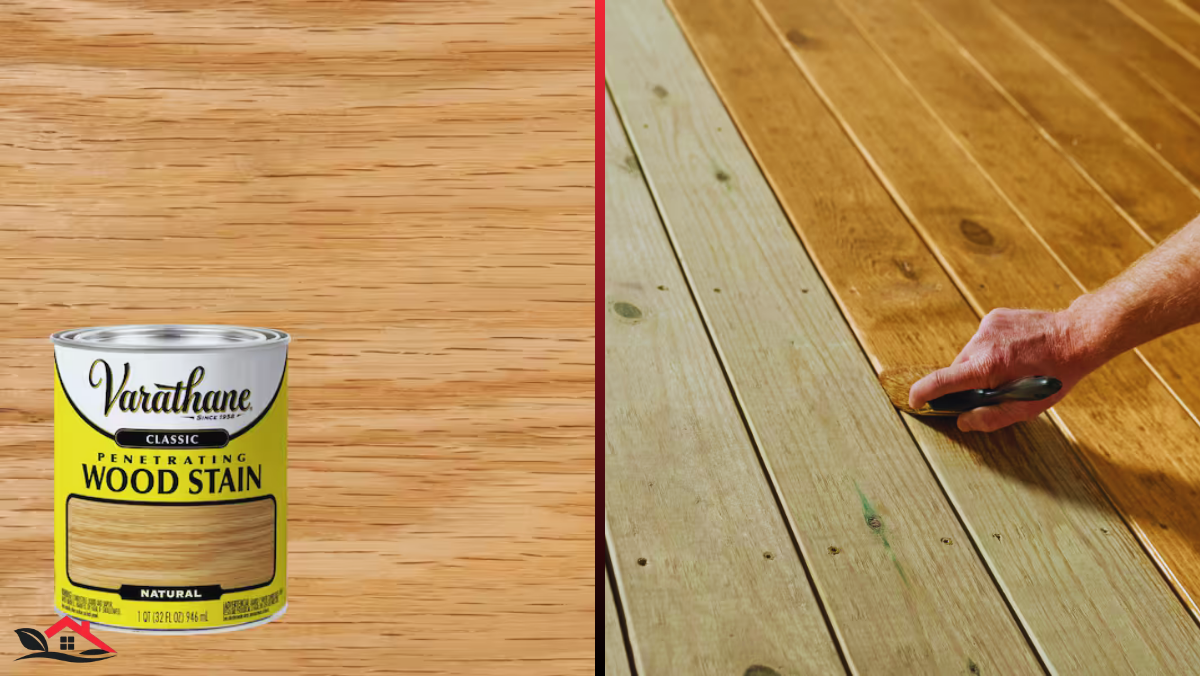
Introduction to Home Depot Wood Stain
Choosing the right home depot wood stain can completely transform the look, feel, and longevity of your wood projects. Whether you’re refreshing an old piece of furniture, finishing a brand-new woodworking project, or protecting an outdoor deck, the right stain makes all the difference. It’s not just about color—it’s about enhancing the natural grain, improving durability, and ensuring long-term protection.
Home Depot has become a go-to destination for both DIY homeowners and professionals because of its wide selection of high-quality wood stains. From rich oil-based formulas to fast-drying water-based options and beginner-friendly gel stains, the variety allows you to match the product precisely to your project needs.
This in-depth guide will walk you through everything you need to know about home depot wood stain—types, finishes, application techniques, expert tips, and real-world use cases—so you can achieve a flawless, professional-looking result.
What Is Home Depot Wood Stain and Why It Matters
Wood stain is a specially formulated finish designed to penetrate the surface of wood and enhance its natural beauty while offering a layer of protection. Unlike paint, which sits on top and hides the grain, stain works with the wood’s texture, highlighting patterns and adding depth.
Using a high-quality home depot wood stain is important for several reasons:
Enhances Natural Grain
One of the biggest advantages of staining wood is that it preserves and highlights the unique grain patterns. This is especially valuable for hardwoods like oak, walnut, and mahogany, where the grain contributes significantly to the overall aesthetic.
Adds Protection
Wood is naturally vulnerable to moisture, sunlight, and daily wear. A properly applied stain helps protect against these elements, reducing the risk of cracking, warping, or fading over time.
Improves Longevity
A well-stained surface can last for years with minimal maintenance. This is particularly important for outdoor applications like decks, fences, and siding.
Types of Home Depot Wood Stain
Understanding the different types of home depot wood stain is essential for selecting the right product for your project.
Oil-Based Wood Stains
Oil-based stains are a traditional favorite due to their deep penetration and rich finish.
Key Features
- Penetrate deeply into wood fibers
- Provide rich, vibrant color
- Offer long-lasting durability
Best Uses
- Furniture
- Cabinets
- Trim and molding
Considerations
- Longer drying time
- Requires solvents for cleanup
Oil-based stains are ideal when you want a classic, professional finish with enhanced depth.
Water-Based Wood Stains
Water-based stains have grown in popularity because of their convenience and environmental benefits.
Key Features
- Quick drying time
- Low odor
- Easy cleanup with water
Best Uses
- Indoor furniture
- Quick renovation projects
Considerations
- May raise the wood grain
- Slightly less penetration than oil-based options
These stains are perfect for projects where speed and ease of use are priorities.
Gel Wood Stains
Gel stains are thicker and sit more on the surface rather than soaking deeply into the wood.
Key Features
- Thick consistency
- Easy to control application
- Minimizes blotching
Best Uses
- Cabinets
- Vertical surfaces
- Non-wood materials like veneer
Gel stains are particularly helpful for beginners or for surfaces where traditional stains may apply unevenly.
Stain and Polyurethane in One
These combination products simplify the finishing process by combining color and protection.
Key Features
- Saves time
- Provides both stain and seal in one step
- Reduces the number of coats needed
Best Uses
- Furniture refinishing
- Quick DIY projects
While convenient, these products may not offer the same depth of finish as separate stain and topcoat applications.
How to Choose the Right Home Depot Wood Stain
Selecting the right home depot wood stain depends on multiple factors. Understanding these will help you avoid costly mistakes.
Consider the Type of Wood
Different woods absorb stain differently:
- Softwoods (pine, cedar): Tend to absorb unevenly and may require a wood conditioner
- Hardwoods (oak, maple): Absorb more evenly and highlight grain beautifully
Testing the stain on a small sample is always recommended.
Determine the Project Location
Where your project will be used plays a major role:
Interior Projects
- Focus on color and finish
- Choose water-based or oil-based stains
Exterior Projects
- Require UV protection and moisture resistance
- Use specially formulated exterior stains
Choose the Right Finish
Wood stains come in various opacity levels:
- Transparent: Shows natural wood grain clearly
- Semi-transparent: Adds color while maintaining grain visibility
- Solid: Provides maximum coverage, similar to paint
Select the Perfect Color
Color choice can dramatically impact the final look. Popular options include:
- Dark walnut for a rich, modern feel
- Golden oak for a warm, traditional look
- Espresso for a bold, contemporary finish
- Early American for a classic, timeless tone
Lighting and wood type will influence how the final color appears, so testing is essential.
Step-by-Step Guide to Applying Home Depot Wood Stain
Applying home depot wood stain correctly is key to achieving a smooth, even, and professional finish.
Step 1: Prepare the Wood Surface
Preparation is the most critical step:
- Sand the surface thoroughly
- Remove all dust with a clean cloth
- Apply wood conditioner if needed
Skipping preparation can lead to uneven staining and poor results.
Step 2: Apply the Stain
Use a brush, cloth, or foam applicator:
- Apply along the direction of the grain
- Work in manageable sections
- Allow the stain to penetrate
After a few minutes, wipe off excess stain to avoid blotching.
Step 3: Allow Proper Drying Time
Drying time depends on the type of stain:
- Water-based: 2–6 hours
- Oil-based: 12–24 hours
Avoid rushing this step, as it can compromise the finish.
Step 4: Apply a Protective Finish
For best results, seal the stained wood with a protective topcoat:
- Polyurethane
- Varnish
- Lacquer
This step enhances durability and adds resistance to wear and moisture.
Common Mistakes to Avoid
Even with the best home depot wood stain, mistakes can affect the outcome.
Skipping Sanding
Leads to uneven absorption and poor finish quality.
Not Testing the Stain
Different woods produce different results. Always test first.
Applying Too Much Stain
Excess stain can create a sticky, uneven surface.
Ignoring Environmental Conditions
Humidity and temperature can affect drying and absorption.
Interior vs Exterior Home Depot Wood Stain
Understanding the difference helps ensure long-lasting results.
Interior Stains
- Designed for aesthetics
- Limited resistance to weather
- Ideal for furniture and cabinetry
Exterior Stains
- Built to withstand sun, rain, and temperature changes
- Include UV blockers and water resistance
- Suitable for decks, fences, and outdoor furniture
Using the wrong type can lead to premature wear or failure.
Real-World Applications of Home Depot Wood Stain
Furniture Refinishing
An old wooden table can be revived with a fresh coat of stain, turning it into a centerpiece for your home.
Cabinet Transformation
Gel stains are excellent for updating kitchen cabinets without extensive sanding or stripping.
Deck Restoration
A semi-transparent exterior stain can enhance the natural look of wood while providing protection against the elements.
Maintenance Tips for Long-Lasting Results
Maintaining your stained wood ensures it continues to look great over time.
Regular Cleaning
Remove dirt and debris to prevent surface damage.
Periodic Reapplication
Exterior stains typically need reapplication every 2–3 years.
Inspect for Wear
Check for fading, peeling, or cracking and address issues early.
Frequently Asked Questions About Home Depot Wood Stain
What is the best home depot wood stain for beginners?
Water-based and gel stains are ideal for beginners due to their ease of use and forgiving application process.
How long does home depot wood stain last?
Interior stains can last many years, while exterior stains typically need maintenance every 2–3 years depending on exposure.
Can I apply home depot wood stain without sanding?
Sanding is highly recommended for proper absorption and a smooth finish. Skipping it can result in uneven color.
Do I need a topcoat after staining?
Yes, especially for surfaces exposed to wear or moisture. A topcoat adds durability and protection.
How many coats of home depot wood stain should I apply?
Usually one to two coats are sufficient. Additional coats can deepen the color but should be applied carefully.
Conclusion
Using the right home depot wood stain is one of the most effective ways to enhance and protect wood surfaces. Whether you’re tackling a small DIY project or a large renovation, understanding the different types of stains, how to apply them, and how to maintain the finish ensures professional-quality results.
From selecting the right stain for your wood type to mastering application techniques, every step plays a role in the final outcome. With proper preparation, careful application, and ongoing maintenance, your stained wood can look beautiful and last for years.
By following the expert guidance in this comprehensive guide, you’ll be well-equipped to choose and use home depot wood stain with confidence—achieving results that are both visually stunning and built to last.
You May Also Read: The Home Gro
