
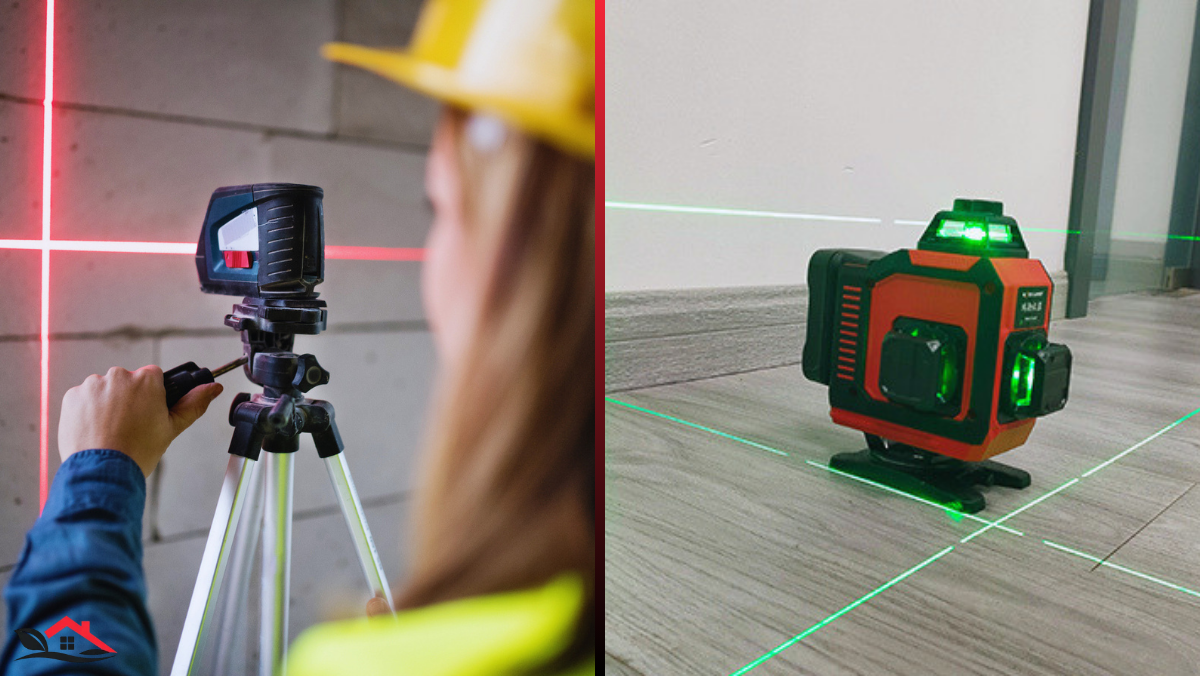
A laser level has transformed the way professionals and DIY enthusiasts approach alignment, measurement, and layout tasks. From installing kitchen cabinets to constructing entire building frameworks, this tool delivers unmatched accuracy and efficiency.
Unlike traditional leveling tools that rely on manual interpretation, a laser level projects a perfectly straight reference line across surfaces, helping you achieve consistent results with minimal effort. In today’s fast-paced construction and renovation environment, precision is no longer optional—it’s expected. That’s where a laser level becomes indispensable.
This comprehensive guide explores everything you need to know about a laser level, including how it works, the different types available, how to choose the right one, and practical tips for achieving the best results.
What Is a Laser Level?
A laser level is a precision instrument designed to project a straight, level line using a focused beam of light. This line serves as a visual guide for alignment, ensuring that installations and measurements are perfectly straight.
At its core, a laser level replaces the limitations of traditional spirit levels by extending a straight reference line across long distances. Instead of checking one small section at a time, you can align entire walls, floors, or structures in one view.
This makes the laser level especially valuable in projects where even slight deviations can lead to noticeable errors or costly corrections.
Why a Laser Level Is Essential Today
Accuracy and efficiency are the two pillars of any successful project. A laser level supports both in ways that manual tools cannot.
Precision Across Large Areas
One of the biggest advantages of a laser level is its ability to maintain accuracy over long distances. Whether you’re aligning tiles across a floor or installing cabinets along a wall, the projected line ensures consistency from start to finish.
Faster Workflow
Traditional methods require constant repositioning and checking. A laser level simplifies the process by providing a continuous reference line, allowing you to work faster without sacrificing quality.
Reduced Errors
Human judgment can be inconsistent, especially over long distances. A laser level eliminates guesswork and ensures that your work remains aligned and level throughout the project.
Versatility
From small home improvements to large-scale construction, a laser level adapts to a wide range of tasks, making it a valuable investment for both professionals and homeowners.
How a Laser Level Works
Understanding how a laser level functions helps you use it more effectively and appreciate its accuracy.
A laser level contains a laser diode that emits a concentrated beam of light. This beam is directed through optical components to create a straight line or plane.
Self-Leveling Technology
Most modern laser levels feature a self-leveling mechanism. This system uses either a pendulum or electronic sensors to automatically adjust the device until it is perfectly level.
If the surface is slightly uneven, the tool compensates for the difference, ensuring the projected line remains accurate. If the angle exceeds the leveling range, the device typically alerts the user.
Beam Projection
Depending on the type of laser level, the beam may be projected as:
- A single horizontal line
- A vertical line
- A cross (both horizontal and vertical)
- A full 360-degree plane
Rotary models spin the beam rapidly to create a continuous level plane across a wide area.
Types of Laser Level
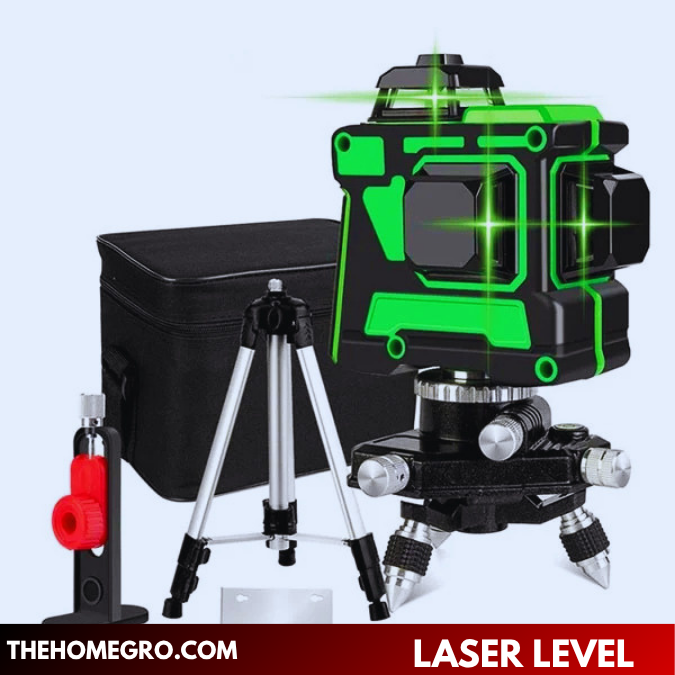
Different projects require different types of laser level. Choosing the right one can significantly improve your results.
Line Laser Level
A line laser level projects a straight line across a surface. It is simple, affordable, and ideal for indoor tasks.
Best Uses
- Hanging pictures
- Installing shelves
- Basic alignment work
Cross-Line Laser Level
A cross-line laser level projects both horizontal and vertical lines simultaneously.
Best Uses
- Cabinet installation
- Tile alignment
- Wall layout
This is one of the most popular types because it offers flexibility without complexity.
Rotary Laser Level
A rotary laser level projects a spinning beam that creates a 360-degree level plane.
Best Uses
- Outdoor construction
- Landscaping
- Site grading
These models often require a detector for visibility in bright conditions.
Dot Laser Level
Also known as a plumb laser, this type projects dots instead of lines.
Best Uses
- Transferring points from floor to ceiling
- Plumbing tasks
- Electrical alignment
360-Degree Laser Level
A 360-degree laser level projects a continuous line around an entire room.
Best Uses
- Full-room renovations
- Ceiling installations
- Large interior projects
This type is becoming increasingly popular due to its efficiency.
Understanding Laser Level Accuracy
Accuracy is the most critical factor when choosing a laser level.
Manufacturers typically express accuracy in terms like:
- ±1/8 inch at 30 feet
- ±3 mm at 10 meters
This indicates the possible deviation of the laser line over a given distance.
Accuracy Categories
- High precision: ±1/16 inch
- Standard precision: ±1/8 inch
- Basic precision: ±1/4 inch
Factors That Affect Accuracy
- Stability of the surface
- Calibration of the device
- Distance from the target
- Environmental conditions such as vibration
Green laser beams are generally easier to see than red ones, especially in bright environments, which can improve usability.
Common Uses of a Laser Level
A laser level is widely used across various industries and home projects.
Home Improvement
- Hanging frames and artwork
- Mounting televisions
- Installing curtain rods
Interior Design
- Aligning tiles
- Installing cabinets
- Creating feature walls
Construction
- Framing structures
- Leveling foundations
- Aligning walls
Electrical and Plumbing
- Installing wiring systems
- Aligning pipes and conduits
Its versatility makes it a go-to tool for both small and large tasks.
Key Features to Look for in a Laser Level
Choosing the right laser level involves evaluating several important features.
Self-Leveling Range
A wider range allows the tool to adjust on uneven surfaces more easily.
Beam Visibility
Green beams are brighter and more visible, while red beams are more energy-efficient.
Working Range
Consider how far the laser can project while maintaining visibility and accuracy.
Mounting Options
Tripods, magnetic mounts, and brackets provide flexibility in positioning.
Durability
Look for models with protective ratings against dust and water.
Battery Life
Long battery life ensures uninterrupted work sessions.
Advantages of Using a Laser Level
A laser level offers numerous benefits that improve both efficiency and quality.
Speed
Projects can be completed faster due to continuous alignment guidance.
Precision
Accurate lines reduce errors and rework.
Ease of Use
Even beginners can achieve professional results.
Consistency
Ensures uniform alignment across entire surfaces.
Limitations of a Laser Level
While highly effective, a laser level does have some limitations.
Visibility in Bright Light
Outdoor use may require a detector to see the beam clearly.
Cost
High-quality models can be expensive.
Sensitivity
Movement or vibration can affect accuracy.
Understanding these limitations helps you use the tool more effectively.
How to Use a Laser Level Correctly
Proper usage is key to getting accurate results.
Step 1: Set Up the Device
Place the laser level on a stable surface or mount it securely.
Step 2: Allow Self-Leveling
Give the device time to adjust and stabilize.
Step 3: Position the Beam
Aim the laser where alignment is needed.
Step 4: Mark Reference Points
Use the projected line as your guide.
Step 5: Verify Accuracy
Double-check alignment for critical tasks.
Laser Level vs Traditional Level
Comparing a laser level with a traditional bubble level highlights its advantages.
Laser Level
- Covers large areas
- Provides continuous reference lines
- Saves time
Traditional Level
- Limited to small sections
- Requires manual checking
- Slower process
While traditional levels still have their place, laser levels offer superior performance for most tasks.
Choosing the Right Laser Level
Selecting the right laser level depends on your needs.
For DIY Projects
A basic line or cross-line laser level is sufficient.
For Renovation Work
A 360-degree model offers better coverage.
For Construction
A rotary laser level is the best choice.
For Precision Work
Choose a high-accuracy model with tighter tolerances.
Maintenance Tips for a Laser Level
Proper care ensures long-term performance.
- Store in a protective case
- Clean the lens regularly
- Avoid dropping the device
- Check calibration periodically
- Remove batteries during storage
Frequently Asked Questions About Laser Level
What is a laser level used for?
A laser level is used to project straight lines for alignment in construction, renovation, and DIY tasks.
Is a laser level worth it?
Yes, a laser level saves time, improves accuracy, and delivers professional results, making it a valuable investment.
Can beginners use a laser level?
Absolutely. Most laser levels are user-friendly and designed for both professionals and beginners.
How far can a laser level reach?
Depending on the model, a laser level can project from a few meters to over 100 meters with a detector.
What color laser is best?
Green lasers are more visible, especially in bright conditions, while red lasers are more affordable and energy-efficient.
Conclusion
A laser level is one of the most practical and impactful tools available for achieving precision in modern work. Whether you are tackling a simple home improvement project or managing a complex construction job, this tool provides the accuracy, efficiency, and reliability needed for success.
By understanding how a laser level works, the different types available, and the features that matter most, you can confidently choose the right tool for your needs. With proper use and maintenance, a laser level becomes more than just a tool—it becomes a trusted partner in delivering high-quality results every time.
You May Also Read: The Home Gro
