

Garage door cable replacement is one of the most important yet often overlooked maintenance tasks in any home. While many homeowners focus on openers or springs, cables quietly carry a heavy responsibility—literally. They help lift and lower a door that can weigh anywhere from 130 to over 400 pounds, doing so smoothly, safely, and repeatedly throughout the day.
When a cable fails, the results can be sudden and dangerous. A door may become uneven, jam midway, or drop without warning. That’s why understanding garage door cable replacement is essential—not just for repairs, but for prevention, safety, and long-term system performance.
This in-depth guide covers everything you need to know, from how cables work to when and how they should be replaced, along with expert-level insights to help you make informed decisions.
What Is Garage Door Cable Replacement?
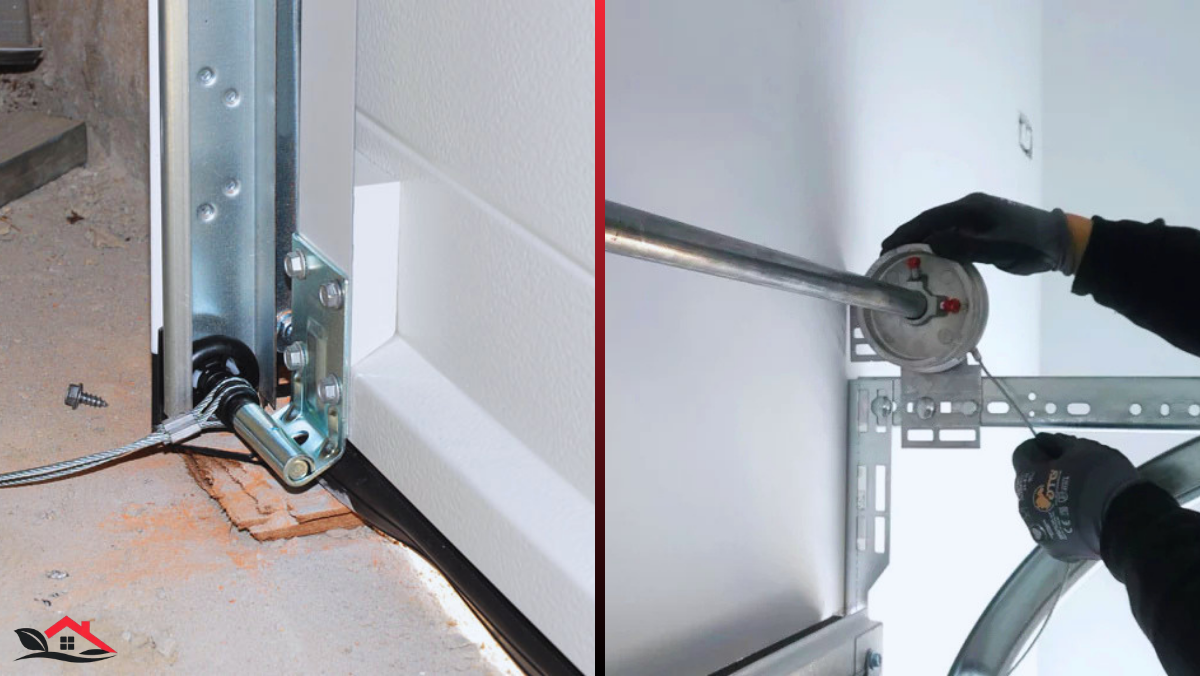
Garage door cable replacement is the process of removing worn, damaged, or broken lift cables and installing new ones that restore the door’s proper function and balance. These cables are steel wires designed to withstand high tension, connecting the bottom of the door to a system of springs and pulleys or drums.
They don’t work alone. Garage door cables are part of a carefully balanced system where springs provide lifting force, and cables guide and control that force. Without cables, the springs cannot do their job effectively or safely.
Replacing these cables at the right time ensures the door opens evenly, closes securely, and operates without strain on other components.
How Garage Door Cables Work
To understand the importance of garage door cable replacement, it helps to know how the system functions as a whole.
The Basic Mechanism
Garage door cables attach to the bottom brackets on each side of the door. From there, they run upward:
- In torsion systems, they wrap around drums mounted above the door.
- In extension systems, they pass through pulleys along the sides.
When the door opens, springs either twist (torsion) or stretch (extension), generating force. The cables transfer that force to lift the door evenly.
When the door closes, the cables unwind in a controlled manner, allowing gravity and spring tension to lower the door smoothly.
Types of Garage Door Cables
Different systems use different cable types, and proper garage door cable replacement depends on matching the right one.
Torsion Spring Cables
These are used in modern garage doors. They wind around cable drums and handle significant tension. They are durable and designed for precise movement.
Extension Spring Cables
Found in older systems, these cables run alongside the door and stretch with the springs. They rely on pulleys and require careful alignment.
Safety Cables
Installed within extension springs, safety cables are not load-bearing but act as a backup. If a spring breaks, the safety cable prevents it from snapping dangerously across the garage.
Signs You Need Garage Door Cable Replacement
Garage door cables usually show warning signs before they fail completely. Recognizing these early can save you from costly repairs or accidents.
Fraying or Visible Wear
If the cable strands appear loose, frayed, or “hairy,” it means the steel is weakening. This is one of the clearest signs that garage door cable replacement is needed.
Rust or Corrosion
Moisture exposure leads to rust, which weakens the cable structure. Corroded cables are far more likely to snap under tension.
Slack or Loose Cables
Cables should always be tight. If they appear loose or sagging, it may indicate imbalance or improper tension.
Crooked or Uneven Door
If one side of the door rises faster than the other, a cable may be worn or failing. This puts uneven stress on the system.
Strange Noises
Grinding, squeaking, or snapping sounds during operation often signal cable or pulley issues.
Door Won’t Open Properly
If the door struggles to open or feels unusually heavy, the cables may no longer be supporting the load effectively.
Common Causes of Cable Failure
Understanding why cables fail helps prevent future problems after garage door cable replacement.
Natural Wear and Tear
Every time the door opens or closes, the cables endure stress. Over thousands of cycles, even high-quality steel fatigues.
Poor Maintenance
Lack of lubrication, inspections, or adjustments accelerates wear.
Environmental Conditions
Humidity, rain, and temperature changes can weaken cables over time.
Misaligned Tracks or Drums
Improper alignment causes uneven stress, leading to premature failure.
Improper Installation
Incorrect tension or poorly installed cables can fail much sooner than expected.
Why Garage Door Cable Replacement Is Critical for Safety
Ignoring cable issues can lead to serious risks. Garage door systems store a surprising amount of energy, and when something goes wrong, it can be dangerous.
Sudden Door Collapse
A broken cable can cause the door to drop instantly. This can damage vehicles or cause severe injuries.
Loss of Control
Without properly functioning cables, the door may jerk, tilt, or get stuck halfway.
Additional System Damage
Faulty cables force other parts—like springs and openers—to work harder, leading to more expensive repairs.
Increased Risk for Families
Children and pets are especially vulnerable if a door becomes unstable or unpredictable.
DIY vs Professional Garage Door Cable Replacement
Many homeowners wonder if they can handle garage door cable replacement themselves. While it may seem straightforward, it’s often more complex and dangerous than expected.
The Risks of DIY Replacement
Garage door cables operate under high tension. Releasing that tension incorrectly can result in:
- Serious injuries from snapping cables
- Sudden door سقوط (drop)
- Improper installation leading to future failure
- Damage to springs, tracks, or opener
Even experienced DIY enthusiasts often avoid this repair due to the risks involved.
Why Hiring a Professional Is the Safer Choice
Professional technicians have:
- Specialized tools for safe tension adjustment
- Experience with different door systems
- Knowledge of proper cable sizing and installation
- Ability to detect hidden issues
A professional ensures the entire system is balanced and safe after replacement.
Step-by-Step Overview of Garage Door Cable Replacement
While not a DIY guide, understanding the process helps you know what to expect.
Inspection and Assessment
The technician evaluates the cables, springs, and overall system.
Securing the Door
The door is locked in place to prevent movement during the repair.
Releasing Tension
Spring tension is carefully released using professional tools.
Removing Old Cables
Damaged cables are detached from drums or pulleys.
Installing New Cables
New cables are fitted, aligned, and attached properly.
Re-Tensioning the System
The springs are adjusted to ensure smooth and balanced movement.
Final Testing
The door is tested multiple times to confirm proper operation.
Cost of Garage Door Cable Replacement
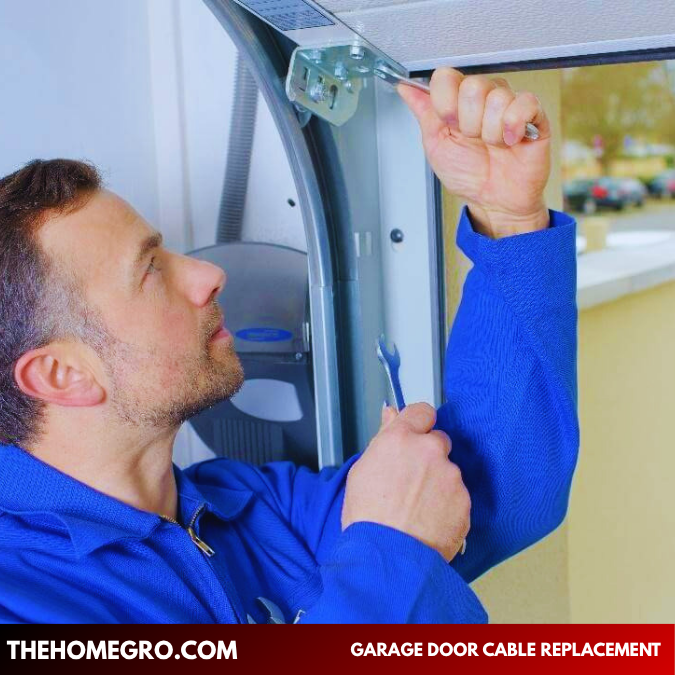
The cost of garage door cable replacement depends on several factors, but it is generally affordable compared to major repairs.
Average Cost Range
Most homeowners can expect to pay between $80 and $200, depending on labor and materials.
What Affects the Price
- Type of cable system
- Door size and weight
- Condition of other components
- Labor rates in your area
Replacing cables early often prevents more expensive issues later.
Maintenance Tips to Avoid Frequent Replacement
Regular maintenance can significantly extend the life of your cables.
Inspect Cables Regularly
Look for fraying, rust, or slack every few months.
Keep Components Lubricated
Proper lubrication reduces friction and wear.
Test Door Balance
Disconnect the opener and lift the door manually. It should stay in place when halfway open.
Schedule Annual Inspections
Professional tune-ups can catch problems early.
Avoid Forcing the Door
If the door resists movement, don’t force it—this can strain cables and other parts.
When You Should Replace Garage Door Cables Immediately
Certain situations require urgent attention:
- A cable has snapped or come off the drum
- The door is hanging unevenly
- The door won’t open or close
- You hear a loud bang followed by malfunction
In these cases, stop using the door and seek professional help immediately.
FAQ: Garage Door Cable Replacement
How often should garage door cable replacement be done?
There’s no fixed schedule, but most cables last 8 to 15 years depending on use and maintenance.
Can one cable be replaced instead of both?
It’s best to replace both cables at the same time to maintain balance and avoid uneven wear.
Is garage door cable replacement expensive?
No, it is relatively affordable compared to other garage door repairs, especially if done early.
How long does garage door cable replacement take?
A professional can usually complete the job within 1 to 2 hours.
Can I use my garage door if a cable is damaged?
No. Using the door in this condition is unsafe and can cause further damage.
Conclusion
Garage door cable replacement is a vital part of maintaining a safe and reliable garage door system. These cables handle immense pressure every day, and when they wear out, the risks are too significant to ignore.
By recognizing early warning signs, investing in routine maintenance, and relying on professional expertise when needed, you can prevent accidents and extend the life of your entire garage door system.
Whether you’re dealing with visible cable damage or simply planning ahead, taking garage door cable replacement seriously is one of the smartest decisions you can make as a homeowner.
You May Also Read: The Home Gro
