

When comparing heat pump vs furnace, homeowners are often trying to answer a simple but important question: which system will keep my home comfortable at the lowest cost over time? The answer isn’t always straightforward. Both systems are widely used, highly effective, and suited to different climates, budgets, and preferences.
Understanding the differences between a heat pump and a furnace requires looking beyond basic features. You need to consider how each system works, how efficient it is, how much it costs to install and operate, and how well it performs in real-world conditions. This guide breaks down the heat pump vs furnace debate in detail so you can make a confident, informed decision.
What Is the Difference Between Heat Pump vs Furnace?
The biggest difference in the heat pump vs furnace comparison is how each system produces heat.
How a Heat Pump Works
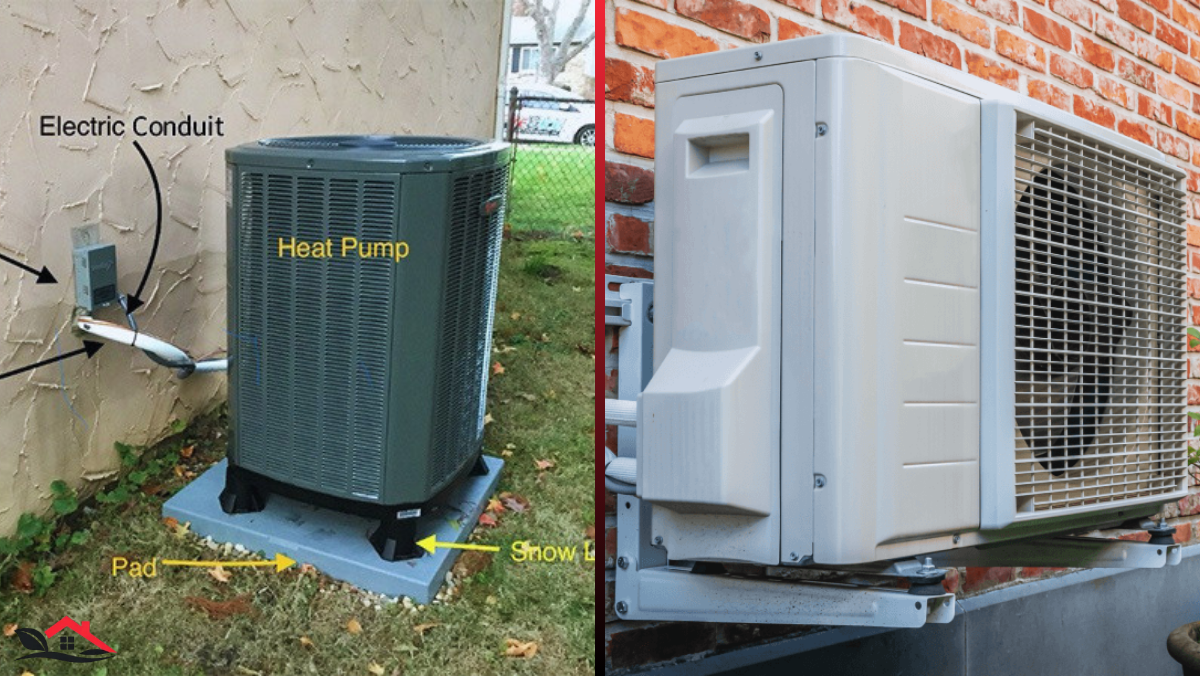
A heat pump transfers heat instead of generating it. During winter, it extracts heat from outdoor air—even when it feels cold—and moves it inside your home. In summer, it reverses the process and removes heat from indoors, acting like an air conditioner.
Because it performs both heating and cooling, a heat pump is an all-in-one HVAC solution.
How a Furnace Works
A furnace creates heat by burning fuel such as natural gas, propane, or oil, or by using electricity. The heat is then pushed through ducts and distributed throughout the home.
Unlike heat pumps, furnaces only provide heating, so a separate air conditioning system is required for cooling.
Heat Pump vs Furnace: Key Differences Overview
Heating Method
- Heat pump: Transfers heat
- Furnace: Generates heat
Functionality
- Heat pump: Heating and cooling
- Furnace: Heating only
Energy Source
- Heat pump: Electricity
- Furnace: Gas, oil, propane, or electricity
Efficiency
- Heat pump: Extremely high efficiency
- Furnace: High but limited by fuel combustion
Climate Suitability
- Heat pump: Mild to moderate climates
- Furnace: Cold and freezing climates
Heat Pump vs Furnace Cost Comparison
Cost plays a major role in the heat pump vs furnace decision, but it’s important to evaluate both upfront and long-term expenses.
Installation Costs
Heat pumps typically cost more to install because they combine heating and cooling systems into one unit. Installation can become more expensive if ductwork needs modification or if a higher-capacity system is required.
Furnaces, on the other hand, usually have a lower initial cost, especially if your home already has existing ductwork and a gas line.
Operating Costs
Operating costs vary depending on energy prices and climate. Heat pumps are generally more efficient, meaning they consume less energy to produce the same level of heat. This often results in lower monthly utility bills.
Furnaces can be more expensive to operate, particularly if fuel prices are high. However, in regions where natural gas is inexpensive, furnaces may still be competitive.
Long-Term Value
While furnaces are cheaper upfront, heat pumps often deliver better long-term value due to their energy efficiency and dual functionality. Over time, the savings on energy bills can offset the higher installation cost.
Heat Pump vs Furnace Efficiency
Efficiency is one of the most important factors in the heat pump vs furnace comparison.
Heat Pump Efficiency
Heat pumps are highly efficient because they move heat rather than create it. In ideal conditions, they can deliver multiple units of heat for every unit of electricity used. This makes them one of the most energy-efficient heating options available.
Furnace Efficiency
Furnaces are measured using AFUE (Annual Fuel Utilization Efficiency). Modern high-efficiency furnaces can reach up to 98% efficiency, but they can never exceed 100% because they rely on burning fuel.
Efficiency Verdict
In most cases, heat pumps are more efficient than furnaces. However, their efficiency drops in extremely cold temperatures, where furnaces maintain consistent performance.
Climate Considerations in Heat Pump vs Furnace
Climate is one of the most critical factors when choosing between a heat pump vs furnace.
Mild and Moderate Climates
In regions where winters are relatively mild, heat pumps perform exceptionally well. They maintain efficiency and provide consistent comfort without high energy costs.
Cold and Harsh Climates
In very cold areas, furnaces are often the better choice. Because they generate heat directly, they can maintain indoor temperatures even when outdoor conditions are freezing.
Hybrid Systems
Many homeowners in colder climates choose a hybrid system that combines a heat pump and a furnace. The heat pump handles moderate temperatures, while the furnace activates during extreme cold, optimizing both comfort and efficiency.
Comfort and Heating Performance
Comfort goes beyond temperature—it includes how heat feels and how consistently it is delivered.
Heat Pump Comfort
Heat pumps provide gradual, even heating. Instead of blasting hot air, they maintain a steady temperature, which reduces temperature swings and creates a more balanced indoor environment.
Furnace Comfort
Furnaces produce hotter air and heat spaces quickly. This can be beneficial in very cold conditions, but it may also lead to uneven heating and noticeable temperature fluctuations.
Lifespan and Durability
When evaluating heat pump vs furnace, lifespan is another key consideration.
Heat Pump Lifespan
Heat pumps typically last between 15 and 20 years. Because they operate year-round for both heating and cooling, they experience more wear and tear.
Furnace Lifespan
Furnaces generally last longer—often between 20 and 30 years—because they are only used during the heating season and have fewer mechanical demands.
Maintenance Requirements
Proper maintenance is essential for both systems, but there are some differences.
Heat Pump Maintenance
Heat pumps require maintenance twice a year—once before the heating season and once before the cooling season. Filters, coils, and refrigerant levels must be checked regularly.
Furnace Maintenance
Furnaces typically require annual maintenance. This includes inspecting burners, checking the heat exchanger, and ensuring safe operation.
Environmental Impact of Heat Pump vs Furnace
Environmental impact is becoming increasingly important in the heat pump vs furnace decision.
Heat Pumps
Heat pumps are more environmentally friendly because they do not burn fuel. They produce fewer greenhouse gas emissions and can be powered by renewable electricity sources.
Furnaces
Furnaces that burn fossil fuels release carbon emissions into the atmosphere. While modern systems are more efficient than older models, they still have a larger environmental footprint compared to heat pumps.
Pros and Cons of Heat Pump vs Furnace
Heat Pump Advantages
- Highly energy efficient
- Provides both heating and cooling
- Lower operating costs
- Environmentally friendly
Heat Pump Disadvantages
- Higher upfront cost
- Reduced efficiency in extreme cold
- Shorter lifespan
Furnace Advantages
- Strong performance in cold climates
- Lower installation cost
- Longer lifespan
- Rapid heating capability
Furnace Disadvantages
- Higher energy consumption
- Requires separate cooling system
- Produces emissions
How to Choose Between Heat Pump vs Furnace
Choosing between a heat pump vs furnace depends on several factors.
Your Climate
If you live in a warm or moderate climate, a heat pump is usually the better choice. In colder climates, a furnace may provide more reliable heating.
Your Budget
If upfront cost is your primary concern, a furnace may be more affordable. If you’re focused on long-term savings, a heat pump may offer better value.
Energy Prices
Local electricity and gas prices can influence operating costs. In areas with high electricity rates, furnaces may be more economical.
Home Setup
Existing ductwork, insulation, and available space can all impact which system is more practical for your home.
Real-World Scenario: Heat Pump vs Furnace
Consider two homeowners:
One lives in a region with mild winters. They install a heat pump and benefit from lower energy bills and year-round comfort with a single system.
Another lives in a colder area with harsh winters. They choose a furnace to ensure reliable heating even in freezing temperatures.
These examples highlight how the best choice in the heat pump vs furnace comparison depends on individual circumstances.
FAQ: Heat Pump vs Furnace
What is the main difference in heat pump vs furnace?
The main difference is that a heat pump transfers heat, while a furnace generates heat by burning fuel or using electricity.
Is a heat pump more efficient than a furnace?
Yes, a heat pump is generally more efficient, especially in mild climates, because it moves heat instead of creating it.
Which is better for cold climates: heat pump vs furnace?
A furnace is typically better for very cold climates because it can produce consistent heat regardless of outdoor temperatures.
Are heat pumps more expensive than furnaces?
Heat pumps usually have higher upfront costs, but they often save money over time through lower energy bills.
Can I use both a heat pump and a furnace?
Yes, a hybrid system combines both technologies to maximize efficiency and comfort.
Conclusion: Heat Pump vs Furnace Final Thoughts
The heat pump vs furnace decision ultimately comes down to your climate, budget, and long-term priorities.
Heat pumps stand out for their energy efficiency, lower operating costs, and environmental benefits. They are an excellent choice for homeowners in mild to moderate climates who want a versatile, all-in-one system.
Furnaces, on the other hand, remain the most reliable option for cold climates. They deliver powerful heating performance and maintain comfort even in extreme temperatures.
For many homeowners, the ideal solution may be a hybrid system that combines the strengths of both. By carefully evaluating your needs and local conditions, you can choose the system that delivers the best balance of comfort, cost, and efficiency for your home.
You May Also Read: The Home Gro
