

Introduction to ERV System
An ERV system (Energy Recovery Ventilator) is one of the most effective solutions for maintaining fresh indoor air while preserving energy efficiency. In modern homes and commercial buildings, airtight construction has become standard practice to reduce energy loss. While this improves efficiency, it also traps pollutants, moisture, and stale air indoors.
This is where an ERV system becomes essential. It continuously replaces stale indoor air with fresh outdoor air while recovering heat and moisture that would otherwise be lost. The result is a healthier indoor environment, improved comfort, and lower energy bills.
Whether you’re building a new home, upgrading your HVAC setup, or simply trying to improve indoor air quality, understanding how an ERV system works can help you make smarter decisions.
What Is an ERV System?
An ERV system is a mechanical ventilation system that exchanges indoor air with outdoor air while transferring energy between the two air streams. Unlike basic exhaust fans or open windows, it provides controlled, balanced ventilation.
The system uses a specialized component called an energy recovery core to transfer both:
- Heat (temperature)
- Moisture (humidity)
This dual transfer is what makes an ERV system different from traditional ventilation methods.
Key Features of an ERV System
- Continuous air exchange
- Heat and moisture recovery
- Balanced ventilation
- Integration with HVAC systems
- Energy-efficient operation
In simple terms, an ERV system allows your home to “breathe” without wasting energy.
How an ERV System Works
To understand the value of an ERV system, it’s important to look at how it operates in real-world conditions.
Basic Working Principle
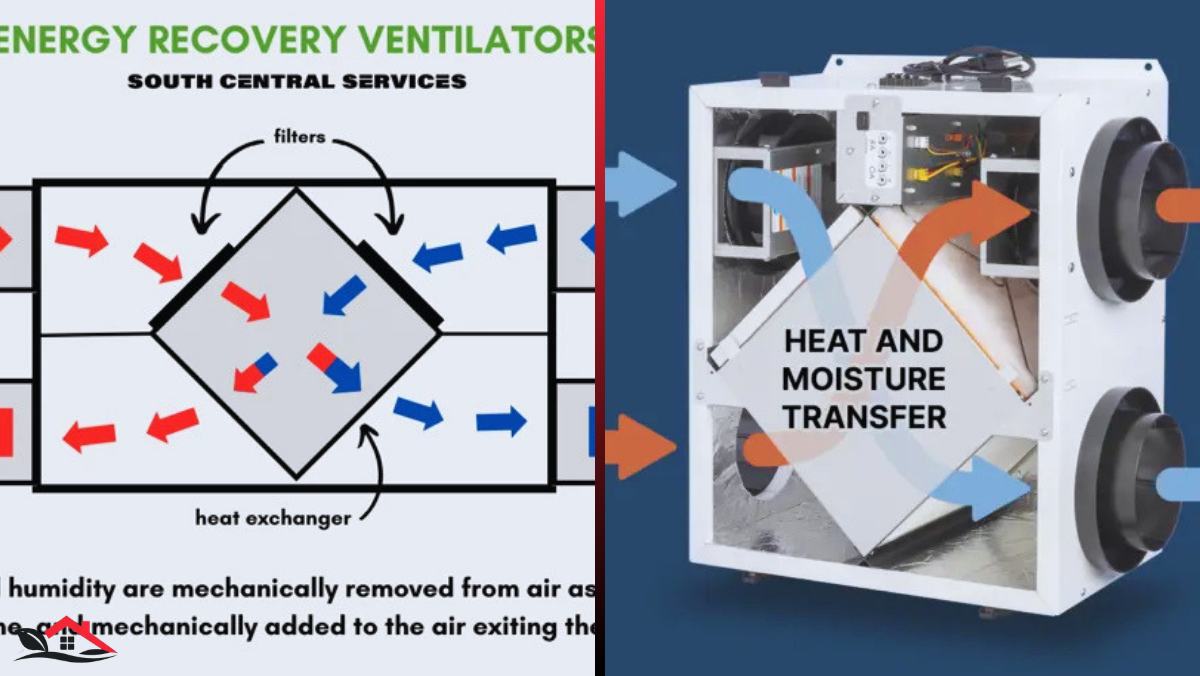
An ERV system operates using two separate air streams:
- Exhaust air: stale air removed from inside
- Supply air: fresh air brought in from outside
These air streams pass through the energy recovery core, where heat and moisture are transferred without mixing the air.
Step-by-Step Process
- Stale air is extracted from areas like kitchens, bathrooms, and living spaces
- Fresh outdoor air is pulled into the system
- Both air streams pass through the ERV core
- Heat and moisture are exchanged between the streams
- Fresh, conditioned air is delivered indoors
- Stale air is expelled outside
This process runs continuously, ensuring a steady supply of clean air.
Seasonal Operation
In Summer
- Hot, humid outdoor air enters the system
- It is pre-cooled and dehumidified using outgoing indoor air
- Less work is required from your air conditioner
In Winter
- Cold, dry outdoor air is drawn in
- It is pre-heated and humidified using outgoing indoor air
- Heating systems operate more efficiently
This energy exchange is what makes an ERV system so efficient.
Benefits of an ERV System
Improved Indoor Air Quality
Indoor air can be more polluted than outdoor air, especially in sealed homes. An ERV system continuously removes contaminants such as:
- Dust and allergens
- Smoke and odors
- Volatile organic compounds (VOCs)
- Carbon dioxide buildup
By maintaining a constant flow of fresh air, it significantly improves indoor air quality.
Energy Efficiency
One of the biggest advantages of an ERV system is its ability to reduce energy waste.
- Recovers a large portion of heating and cooling energy
- Reduces strain on HVAC systems
- Lowers utility bills over time
Instead of losing conditioned air, the system reuses its energy.
Humidity Control
Humidity plays a major role in indoor comfort. An ERV system helps maintain balanced humidity levels by:
- Removing excess moisture in humid conditions
- Retaining moisture in dry conditions
This prevents issues like:
- Dry skin and irritation
- Mold growth
- Condensation on windows
Consistent Ventilation
Opening windows is not always practical due to weather, noise, or pollution. An ERV system provides:
- Continuous airflow
- Controlled ventilation
- Better comfort without external disruptions
Health Benefits
Better air quality leads to better health. An ERV system can help reduce:
- Respiratory issues
- Allergies
- Fatigue caused by poor air circulation
This is especially important for children, elderly individuals, and those with asthma.
ERV System vs HRV System
Many people confuse an ERV system with an HRV (Heat Recovery Ventilator), but there are key differences.
ERV System
- Transfers heat and moisture
- Best for humid or mixed climates
- Maintains balanced humidity
HRV System
- Transfers heat only
- Best for cold, dry climates
- Removes excess indoor moisture
Which Is Better?
An ERV system is generally more versatile because it manages both temperature and humidity. For most homes, especially in regions with varying weather conditions, it is the better choice.
Types of ERV Systems
Whole-House ERV Systems
These systems are integrated with central HVAC systems and provide ventilation throughout the entire building.
Ductless ERV Systems
Ductless units are ideal for:
- Apartments
- Older homes without ductwork
- Single-room applications
They are easier to install and more flexible.
Commercial ERV Systems
Large-scale ERV systems are used in:
- Office buildings
- Hospitals
- Schools
- Shopping centers
They handle high airflow demands while maintaining efficiency.
Installation of an ERV System
Proper installation is critical for performance and efficiency.
Installation Options
- Integrated with HVAC system
- Standalone unit
- New construction or retrofit
Key Factors to Consider
- Building size
- Climate conditions
- Existing ductwork
- Ventilation needs
Professional installation ensures correct airflow balancing and optimal operation.
Maintenance of an ERV System
Like any mechanical system, an ERV system requires regular maintenance.
Routine Tasks
- Clean or replace filters every 3–6 months
- Inspect the energy recovery core
- Check fans and airflow
- Clean ducts if necessary
Why Maintenance Matters
- Maintains efficiency
- Extends system lifespan
- Ensures clean air delivery
Neglecting maintenance can reduce performance and increase energy consumption.
Common Applications of ERV System
An ERV system is used in a wide range of settings.
Residential Use
- Modern airtight homes
- Apartments and condominiums
Commercial Use
- Offices
- Retail spaces
- Educational institutions
Industrial Use
- Warehouses
- Manufacturing facilities
It is especially valuable in environments where ventilation is essential but energy costs must be controlled.
Cost of an ERV System
The cost of an ERV system varies depending on several factors.
Cost Influencing Factors
- System size
- Type (ducted or ductless)
- Installation complexity
- Brand and features
Typical Cost Overview
- Equipment: Moderate to high
- Installation: Variable
- Maintenance: Low
Although the initial investment can be significant, the long-term savings in energy bills often justify the cost.
Is an ERV System Worth It?
For many homeowners and businesses, an ERV system is a worthwhile investment.
It Is Worth It If You:
- Live in a tightly sealed building
- Want better indoor air quality
- Experience humidity issues
- Aim to reduce energy consumption
The combination of comfort, health benefits, and energy savings makes it a smart choice.
FAQs About ERV System
What is an ERV system used for?
An ERV system is used to provide fresh air ventilation while recovering heat and moisture to maintain energy efficiency.
Does an ERV system run all the time?
Yes, most ERV systems are designed to run continuously at low speeds to ensure consistent airflow and air quality.
Can an ERV system replace an air conditioner?
No, an ERV system does not replace cooling or heating systems. It works alongside HVAC systems to improve efficiency and air quality.
How long does an ERV system last?
With proper maintenance, an ERV system can last 10–15 years or more.
Is an ERV system noisy?
Most modern ERV systems operate quietly, especially when properly installed.
Conclusion
An ERV system is an essential component of modern, energy-efficient buildings. By combining ventilation with energy recovery, it addresses two major challenges: maintaining indoor air quality and reducing energy loss.
It provides continuous fresh air, balances humidity, and enhances overall comfort without increasing energy consumption. As building standards evolve and indoor environments become more controlled, the importance of an ERV system continues to grow.
Whether for residential or commercial use, investing in an ERV system is a forward-thinking decision that delivers long-term benefits in comfort, health, and efficiency.
You May Also Read: The Home Gro
