

Introduction to Treated Fresh Air
In today’s buildings—whether homes, offices, hospitals, or shopping centers—simply circulating air is no longer enough. People expect clean, comfortable, and healthy indoor environments, and that’s exactly where treated fresh air becomes essential. Treated fresh air refers to outdoor air that has been carefully filtered, temperature-controlled, and humidity-adjusted before being introduced indoors through an HVAC system.
Unlike raw outside air, which may carry dust, pollutants, excess moisture, or extreme temperatures, treated fresh air is conditioned to meet indoor comfort standards. This ensures that occupants breathe cleaner air without compromising cooling efficiency or energy performance.
As buildings become more airtight and energy-efficient, the need for controlled ventilation has increased dramatically. Treated fresh air systems provide a balanced solution—bringing in oxygen-rich outdoor air while maintaining optimal indoor conditions.
What Is Treated Fresh Air?
Definition of Treated Fresh Air
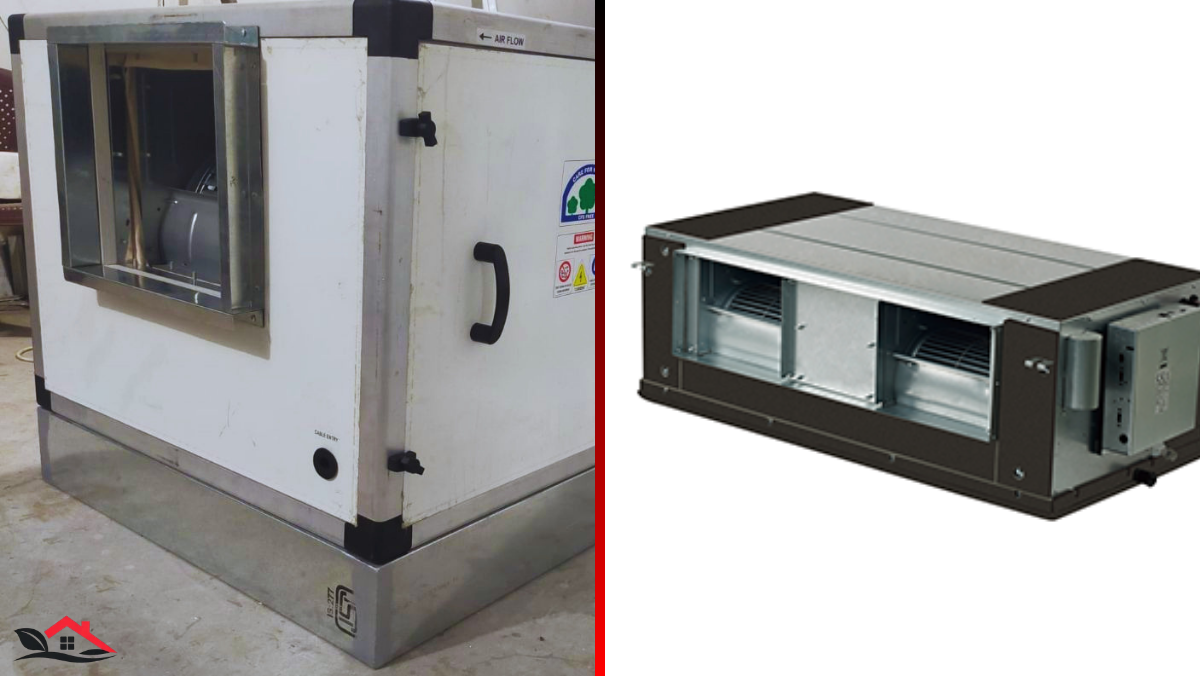
Treated fresh air is outdoor air that undergoes a series of processes—filtration, cooling or heating, and humidity control—before entering a building. It is typically handled by a dedicated system known as a Treated Fresh Air Unit (TFAU) or Fresh Air Handling Unit (FAHU).
The key purpose is simple: deliver clean, conditioned air that enhances indoor air quality without placing additional load on the primary air conditioning system.
Why Raw Fresh Air Needs Treatment
Outdoor air is not always as “fresh” as it sounds. Depending on the location, it may contain:
- Dust and particulate matter
- Vehicle emissions and industrial pollutants
- High humidity or dryness
- Extremely hot or cold temperatures
If this untreated air is directly introduced indoors, it can lead to discomfort, higher energy bills, and potential health issues. Treated fresh air eliminates these problems by preparing the air before it enters the living or working space.
How Treated Fresh Air Systems Work
Step-by-Step Process
Understanding how treated fresh air systems work helps explain their importance in modern HVAC design.
Air Intake
The system pulls in outdoor air through intake vents or ducts. This air is usually unconditioned and may carry contaminants.
Filtration Stage
The air passes through multiple filters that remove dust, pollen, and airborne particles. High-efficiency filters can significantly improve indoor air quality.
Cooling or Heating
Next, the air is cooled or heated using coils, depending on the climate and indoor requirements. This ensures the air matches the building’s temperature settings.
Humidity Control
Moisture levels are adjusted using dehumidifiers or humidifiers. This step is crucial in regions with high humidity or dry climates.
Air Supply
Finally, the treated fresh air is delivered into indoor spaces, either directly or mixed with recirculated air from an air handling unit.
Components of a Treated Fresh Air System
Air Filters
Filters remove harmful particles and improve air cleanliness. Advanced systems may use multi-stage filtration, including fine filters.
Cooling and Heating Coils
These components regulate temperature, ensuring the incoming air does not disturb indoor comfort.
Fans and Blowers
They circulate air through the system and distribute it evenly throughout the building.
Dampers
Dampers control airflow and help regulate the amount of fresh air entering the system.
Humidity Control Equipment
These devices maintain balanced moisture levels, preventing issues like mold or dry air discomfort.
Energy Recovery Devices
Some systems include heat recovery wheels or plates that reuse energy from outgoing air, improving efficiency.
Importance of Treated Fresh Air
Improved Indoor Air Quality
One of the biggest advantages of treated fresh air is cleaner indoor air. It reduces pollutants, carbon dioxide buildup, and allergens, creating a healthier environment.
Enhanced Thermal Comfort
Since the air is pre-conditioned, occupants do not experience sudden temperature changes when fresh air enters the room.
Better Health Outcomes
Clean air reduces respiratory issues, fatigue, and headaches. This is especially important in offices, schools, and hospitals.
Compliance with Standards
Modern building regulations often require a minimum level of fresh air ventilation. Treated fresh air systems help meet these standards effectively.
Treated Fresh Air vs. Untreated Fresh Air
Key Differences Explained
Untreated fresh air enters directly from outside without any conditioning, while treated fresh air undergoes a complete preparation process.
- Treated fresh air is filtered and clean
- It is temperature-controlled
- Humidity is balanced
- Energy efficiency is improved
In contrast, untreated air can introduce discomfort, pollutants, and additional load on air conditioning systems.
Treated Fresh Air vs. Air Handling Units (AHU)
Understanding Their Roles
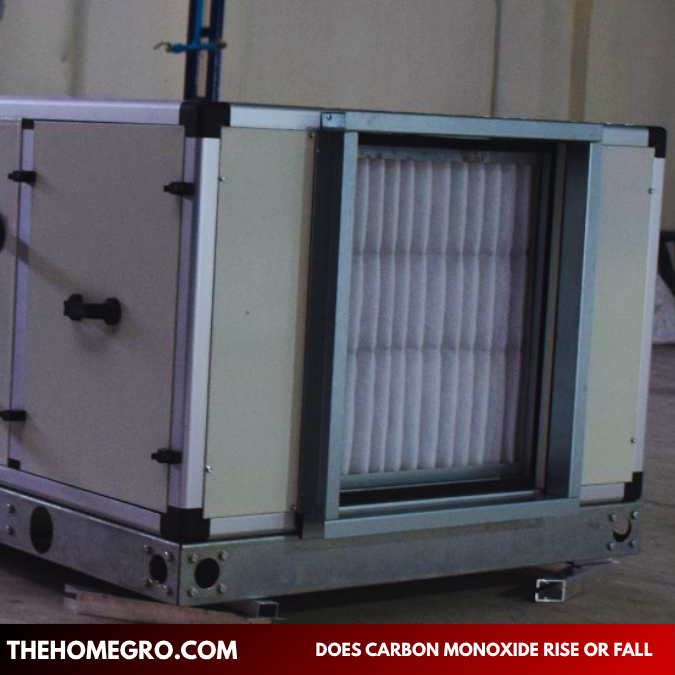
A common confusion in HVAC systems is between treated fresh air units and air handling units.
- Treated fresh air systems supply 100% outdoor air
- Air handling units mostly recirculate indoor air
In many systems, treated fresh air is mixed with recirculated air to maintain a balance between ventilation and energy efficiency.
Benefits of Treated Fresh Air
Cleaner and Fresher Air
The filtration process ensures that indoor air remains free from dust and pollutants.
Energy Savings
By conditioning fresh air before it enters the main system, treated fresh air reduces the load on air conditioners, leading to lower energy consumption.
Humidity Control
Balanced humidity improves comfort and prevents mold growth or dryness.
Increased Productivity
In workplaces, better air quality leads to improved focus, reduced fatigue, and higher productivity.
Odor Reduction
Fresh, treated air helps eliminate stale smells and improves the overall indoor atmosphere.
Applications of Treated Fresh Air
Commercial Spaces
Offices, malls, and hotels rely heavily on treated fresh air to maintain comfort for large groups of people.
Healthcare Facilities
Hospitals use treated fresh air systems to maintain sterile and hygienic conditions.
Industrial Use
Factories and manufacturing plants require controlled air to protect products and processes.
Residential Buildings
Modern homes, especially in urban areas, are increasingly using treated fresh air systems to improve indoor air quality.
Challenges of Treated Fresh Air Systems
Initial Investment
Installing a treated fresh air system can be costly, especially in large buildings.
Maintenance Needs
Filters and components require regular cleaning and replacement to maintain performance.
Space Requirements
These systems need adequate installation space, which can be a challenge in existing buildings.
Outdoor Air Quality
In polluted areas, advanced filtration systems are necessary to ensure effective treatment.
Energy Efficiency and Sustainability
Treated fresh air systems play a significant role in sustainable building design. By pre-conditioning air, they reduce the load on cooling systems and improve overall efficiency.
Energy recovery technologies allow buildings to reuse heat or cooling from exhaust air, reducing energy waste. This not only lowers operating costs but also reduces environmental impact.
As green building practices continue to evolve, treated fresh air systems are becoming a key component of energy-efficient designs.
Future Trends in Treated Fresh Air
The future of treated fresh air systems is driven by innovation and sustainability. Emerging trends include:
- Smart HVAC systems with real-time air quality monitoring
- Advanced filtration technologies for pollution control
- Integration with building automation systems
- Increased use of energy recovery solutions
These advancements will make treated fresh air systems more efficient, intelligent, and accessible.
FAQ About Treated Fresh Air
What is treated fresh air?
Treated fresh air is outdoor air that has been filtered, temperature-controlled, and humidity-adjusted before being introduced into indoor spaces.
Why is treated fresh air important?
It improves indoor air quality, enhances comfort, and reduces health risks by removing pollutants and controlling environmental conditions.
Is treated fresh air the same as ventilation?
No. Ventilation simply brings in outside air, while treated fresh air ensures that the air is properly conditioned before entering the space.
Does treated fresh air save energy?
Yes, it reduces the load on HVAC systems by pre-conditioning incoming air, leading to energy savings.
Where is treated fresh air used?
It is used in homes, offices, hospitals, shopping malls, and industrial facilities.
Conclusion
Treated fresh air is a fundamental part of modern HVAC systems, offering a practical solution to the challenges of indoor air quality and comfort. By filtering, conditioning, and controlling outdoor air, it ensures healthier living and working environments while improving energy efficiency.
As buildings become more advanced and airtight, the role of treated fresh air will continue to grow. Whether in residential, commercial, or industrial settings, it provides a reliable way to deliver clean, comfortable air that supports both well-being and sustainability.
Understanding and implementing treated fresh air is not just a technical choice—it is an investment in health, comfort, and long-term efficiency.
You May Also Read: The Home Gro
