

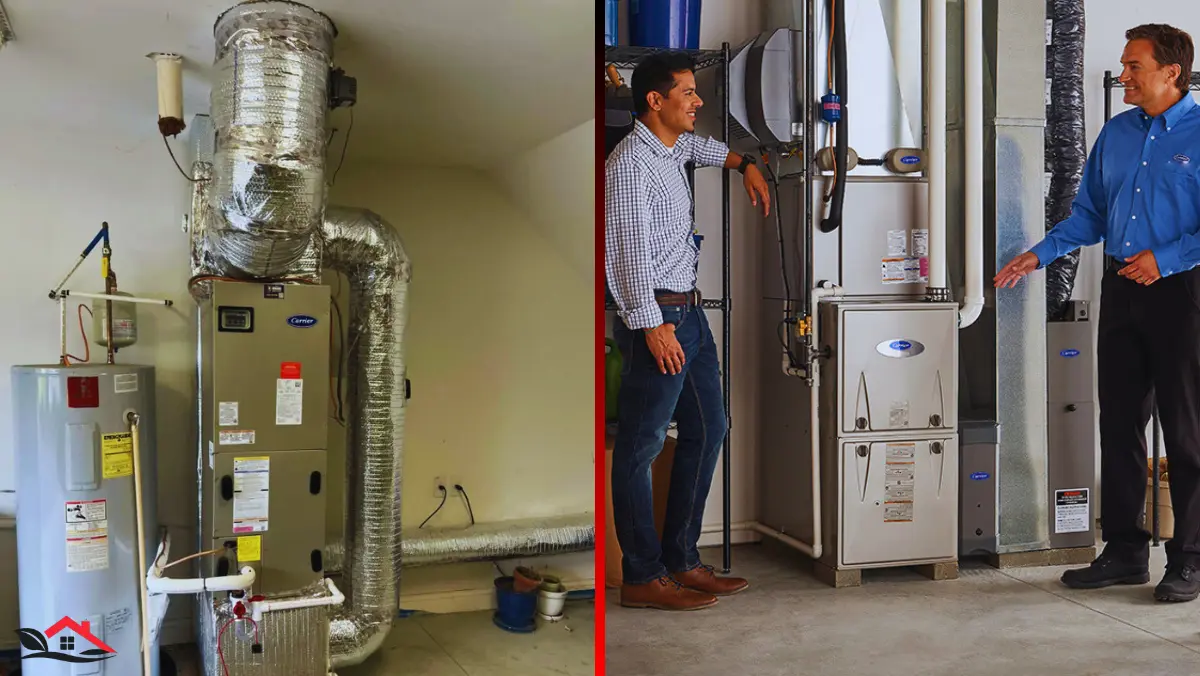
When your heating system starts failing or becomes inefficient, one of the first questions that comes to mind is the new furnace cost. Replacing a furnace is a significant investment, and understanding the full picture—from upfront pricing to long-term savings—can help you make a confident, cost-effective decision.
This comprehensive guide breaks down everything you need to know about new furnace cost, including average prices, influencing factors, real-world examples, and expert tips to help you get the best value for your money.
What Is the Average New Furnace Cost?
The new furnace cost varies widely depending on several factors, but most homeowners can expect to pay between $3,000 and $8,000 for a complete installation. The national average typically falls around $4,500 to $5,500.
However, costs can fall outside this range depending on the type of furnace, efficiency level, and installation complexity:
- Basic systems: $1,500 to $3,000
- Mid-range systems: $3,500 to $6,500
- High-end systems: $7,000 to $12,000 or more
These figures include both the unit and installation, which is important since labor often makes up a substantial portion of the total expense.
What Affects New Furnace Cost?
Understanding the variables that influence new furnace cost helps you make smarter decisions and avoid unexpected expenses.
Furnace Type and Fuel Source
The type of furnace you choose is one of the biggest cost drivers.
Gas Furnace
Gas furnaces are the most popular choice due to their efficiency and relatively low operating costs. They typically cost more upfront but save money over time.
- Cost: $3,500 to $8,500 installed
Electric Furnace
Electric furnaces are cheaper to install but can be more expensive to operate due to electricity costs.
- Cost: $2,000 to $5,000 installed
Oil Furnace
Oil furnaces are less common but still used in certain areas. They require more maintenance and fuel storage.
- Cost: $4,000 to $7,500 installed
Propane Furnace
Similar to gas furnaces but powered by propane, which can be more expensive depending on location.
- Cost: $3,500 to $7,500 installed
Furnace Size and Heating Capacity
Furnace size, measured in BTUs (British Thermal Units), determines how much heat your system can produce. Larger homes require larger furnaces, which increases the new furnace cost.
Typical sizing:
- Small homes: 40,000–60,000 BTUs
- Medium homes: 60,000–100,000 BTUs
- Large homes: 100,000–140,000+ BTUs
Choosing the correct size is essential. An oversized furnace wastes energy, while an undersized one struggles to heat your home effectively.
Energy Efficiency (AFUE Rating)
Efficiency is measured by AFUE (Annual Fuel Utilization Efficiency). The higher the percentage, the more efficient the furnace.
- 80% AFUE: Standard efficiency, lower upfront cost
- 90–98% AFUE: High efficiency, higher upfront cost but lower energy bills
High-efficiency models can cost $1,000 to $3,000 more, but they often reduce monthly heating costs significantly, especially in colder climates.
Installation Complexity
Installation plays a major role in the total new furnace cost. A simple replacement is much cheaper than a full system upgrade.
Costs increase if your project involves:
- Replacing or installing ductwork
- Upgrading electrical systems
- Adding or modifying gas lines
- Improving ventilation systems
- Removing an old furnace
Labor costs alone can range from $1,000 to $3,000 or more, depending on the complexity.
New Furnace Cost by Home Size
The size of your home directly impacts the type and size of furnace you need.
Small Homes (Under 1,500 sq ft)
- Cost: $2,000 to $4,500
- Typically require smaller, less expensive systems
Medium Homes (1,500–2,500 sq ft)
- Cost: $3,500 to $7,000
- Most common range for homeowners
Large Homes (2,500+ sq ft)
- Cost: $5,000 to $10,000+
- May require high-capacity or multi-stage systems
Larger homes often involve more complex installations, which further increases costs.
Detailed Breakdown of New Furnace Cost
To fully understand your investment, it helps to break down where the money goes.
Furnace Unit
- $1,000 to $5,000
- Depends on brand, efficiency, and features
Labor and Installation
- $1,000 to $3,000
- Includes setup, testing, and system integration
Additional Expenses
- Permits and inspections
- Thermostat replacement or upgrade
- Air filtration or humidifier systems
- Duct repairs or replacements
These additional costs can add hundreds or even thousands to the total new furnace cost.
Real-World New Furnace Cost Examples
Looking at real scenarios can make the pricing more relatable.
Scenario 1: Budget Replacement
A homeowner replaces an old electric furnace in a small home without modifying ductwork.
- Total cost: $2,500 to $3,500
Scenario 2: Standard Upgrade
A mid-sized home installs a gas furnace with improved efficiency and minor duct adjustments.
- Total cost: $4,500 to $6,500
Scenario 3: Premium Installation
A large home installs a high-efficiency furnace with new ductwork and advanced controls.
- Total cost: $8,000 to $12,000+
These examples highlight how different factors combine to determine the final new furnace cost.
Repair vs Replacement: Making the Right Choice
Sometimes repairing your furnace may seem like the cheaper option—but it’s not always the smartest one.
When Repair Makes Sense
- Furnace is less than 10–12 years old
- Repair cost is relatively low
- System is still efficient
When Replacement Is Better
- Furnace is over 15–20 years old
- Frequent breakdowns
- Rising energy bills
- Major components failing
A good rule of thumb: if repair costs exceed 30–40% of replacement cost, investing in a new system is usually the better long-term decision.
How to Save Money on New Furnace Cost
Replacing a furnace doesn’t have to break the bank. Here are practical ways to reduce your new furnace cost:
Compare Multiple Quotes
Always get at least three quotes from reputable contractors. Prices can vary significantly.
Choose the Right Efficiency Level
Don’t automatically go for the highest efficiency model. Balance upfront cost with long-term savings.
Install During Off-Season
Spring and fall are typically cheaper times for installation due to lower demand.
Look for Rebates and Incentives
Government programs and utility companies often offer rebates for energy-efficient systems.
Bundle HVAC Upgrades
If you also need an air conditioner, installing both systems together can reduce overall labor costs.
Benefits of Investing in a New Furnace
While the new furnace cost can be substantial, the benefits often outweigh the expense.
Lower Energy Bills
Modern furnaces are far more efficient than older models.
Improved Comfort
Better temperature control and consistent heating throughout your home.
Increased Home Value
A new HVAC system is an attractive feature for buyers.
Reduced Maintenance
New systems require fewer repairs and offer greater reliability.
Better Air Quality
Modern systems often include improved filtration and humidity control.
Common Mistakes to Avoid
Avoiding these mistakes can save you money and frustration:
- Buying the cheapest furnace without considering efficiency
- Hiring unqualified installers
- Ignoring proper sizing calculations
- Overlooking ductwork issues
- Delaying replacement until total system failure
Each of these can increase your total new furnace cost or reduce the lifespan of your system.
FAQ: New Furnace Cost
How much is a new furnace cost on average?
The average new furnace cost ranges from $3,000 to $8,000, with most homeowners spending around $5,000.
What is the cheapest new furnace cost?
Basic electric furnaces can cost as little as $1,500 to $3,000 installed.
Why is new furnace cost so high?
Costs include the furnace unit, labor, installation complexity, and additional upgrades like ductwork or electrical systems.
Does a high-efficiency furnace save money?
Yes, high-efficiency furnaces reduce energy consumption, leading to lower monthly utility bills over time.
How long does a furnace last?
Most furnaces last between 15 and 20 years with proper maintenance.
Conclusion: Planning Your New Furnace Cost Wisely
Understanding new furnace cost is about more than just knowing the price—it’s about recognizing the value behind the investment. From furnace type and size to efficiency and installation complexity, many factors influence the final cost.
By doing proper research, comparing options, and focusing on long-term savings rather than just upfront price, you can make a smart, informed decision. A well-chosen furnace not only keeps your home warm and comfortable but also reduces energy costs and improves overall efficiency for years to come.
Taking the time to plan your purchase carefully ensures that your new furnace cost becomes a worthwhile investment rather than an unexpected burden.
You May Also Read: The Home Gro
