

Introduction
If you’ve ever looked at home specifications, real estate listings, or construction plans, you’ve likely encountered the term HVAC. But what does HVAC stand for, and why is it so important? Understanding HVAC is essential for anyone looking to maintain a comfortable and healthy indoor environment, whether at home, in the office, or in commercial spaces.
HVAC stands for Heating, Ventilation, and Air Conditioning. This acronym encompasses all the systems and technologies used to regulate indoor temperature, airflow, humidity, and overall air quality. Although the concept seems simple, modern HVAC systems are complex, integrated networks designed to maximize comfort, efficiency, and health.
In this comprehensive guide, we will break down what HVAC stands for, explain how each component works, and explore its real-world applications, maintenance, and future innovations.
What Does HVAC Stand For?
At its core, the term HVAC represents three critical components:
- H = Heating
- V = Ventilation
- AC = Air Conditioning
Together, these elements create a complete indoor climate control system. Each component has a unique function, but they work together to ensure a safe, comfortable, and energy-efficient environment.
Understanding what HVAC stands for is crucial because it allows homeowners, tenants, and property managers to make informed decisions about system installation, maintenance, and upgrades.
Why HVAC Systems Are Important
HVAC systems play a critical role in modern buildings. Knowing what HVAC stands for is just the start—its real significance lies in the benefits it provides:
- Comfort: Proper heating, ventilation, and air conditioning ensure consistent temperatures throughout indoor spaces.
- Health: Good HVAC systems improve air quality, reducing allergens, dust, and harmful microorganisms.
- Energy Efficiency: Modern HVAC systems minimize energy waste, lowering utility bills.
- Property Value: Buildings with well-maintained HVAC systems are more appealing and maintain higher market value.
In essence, HVAC systems are about more than just comfort—they are integral to health, efficiency, and long-term sustainability.
Heating: The “H” in HVAC
The “H” in HVAC stands for heating. Heating systems are responsible for maintaining indoor temperatures during cold weather. There are several types of heating systems:
- Furnaces: Gas, electric, or oil-powered units that heat air and distribute it through ductwork.
- Boilers: Heat water, which is then circulated through radiators or underfloor pipes.
- Heat Pumps: Transfer heat from outside to inside, or vice versa, for both heating and cooling.
- Radiant Heating: Delivers warmth directly through floors, walls, or ceilings.
Heating is not only about comfort. In colder climates, proper heating prevents frozen pipes, structural damage, and potential health hazards caused by extreme cold.
Ventilation: The “V” in HVAC
Ventilation is often the most overlooked component, yet it is vital for a healthy indoor environment. The “V” in HVAC stands for ventilation, which involves:
- Bringing fresh outdoor air into indoor spaces
- Removing stale air to reduce indoor pollutants
- Controlling humidity and moisture levels
- Reducing odors and airborne contaminants
Without proper ventilation, even the most advanced heating and cooling systems cannot maintain healthy indoor air quality. Ventilation prevents mold, mildew, and respiratory issues, making it a critical aspect of HVAC systems.
Air Conditioning: The “AC” in HVAC
The “AC” in HVAC stands for air conditioning, which focuses on cooling indoor spaces and controlling humidity. Modern air conditioning systems:
- Remove excess heat from indoor air
- Reduce humidity for improved comfort
- Circulate conditioned air efficiently throughout a building
Common types of air conditioning systems include:
- Central Air Conditioning: Uses a central unit to cool the air and distribute it via ducts.
- Ductless Mini-Splits: Ideal for homes or spaces without ductwork, offering room-specific temperature control.
- Portable or Window Units: Suitable for small spaces or temporary solutions.
Air conditioning does more than cool a room—it creates a comfortable indoor climate while managing humidity levels, which is particularly important in regions with hot, humid summers.
How HVAC Systems Work Together
Understanding what HVAC stands for becomes clearer when we examine how these components work together. A typical HVAC system operates in a continuous cycle:
- Air Intake: The system draws air from the building or outside.
- Filtration: Air passes through filters to remove dust, pollen, and other pollutants.
- Heating or Cooling: Depending on the season, the system either heats or cools the air.
- Distribution: Conditioned air is distributed through ducts, vents, or directly into rooms.
- Control: Thermostats regulate the system to maintain desired temperature and air quality.
This cycle ensures that indoor spaces remain comfortable, safe, and energy-efficient throughout the year.
Types of HVAC Systems
There are several types of HVAC systems, each designed for different needs and environments:
Split Systems
- Most common in residential settings
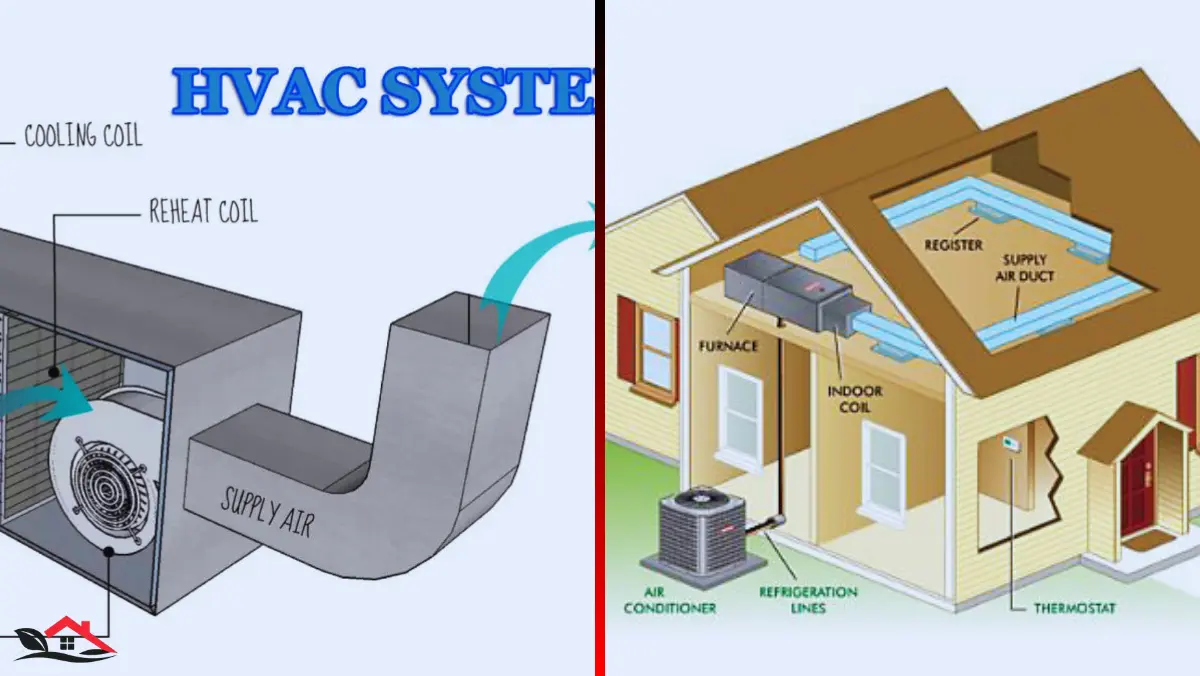
- Consist of an indoor unit (furnace/air handler) and an outdoor AC unit
- Use ductwork to circulate air
Ductless Mini-Split Systems
- Do not require ductwork
- Ideal for small spaces or retrofitting older homes
- Offer energy-efficient, room-specific control
Packaged Systems
- Contain all components in one unit, usually placed outdoors
- Often used in commercial buildings
- Simplify installation and maintenance
Hybrid Systems
- Combine traditional heating systems with energy-efficient heat pumps
- Automatically switch between heating and cooling based on outdoor temperature
Each type serves a unique purpose, but all are designed to deliver consistent indoor climate control.
Components of an HVAC System
To fully grasp what HVAC stands for, it helps to know its key components:
- Thermostat: Controls temperature and system operation
- Furnace or Heat Pump: Provides heating
- Air Conditioner: Cools and dehumidifies air
- Ductwork: Distributes conditioned air throughout the building
- Ventilation System: Brings in fresh air and removes stale air
- Filters: Trap dust, allergens, and pollutants
These components work in harmony to maintain comfort, air quality, and energy efficiency.
The Role of HVAC in Indoor Air Quality
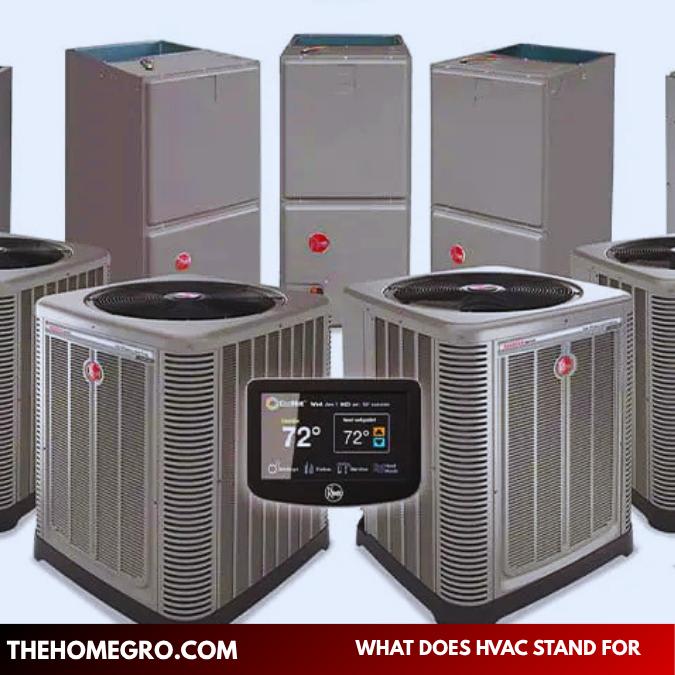
HVAC systems are not just about temperature—they play a critical role in maintaining indoor air quality (IAQ). Proper ventilation and filtration remove allergens, dust, and airborne pathogens while controlling humidity. In commercial and healthcare settings, HVAC systems are essential for sterile and safe environments.
Indoor air quality affects health, productivity, and overall comfort, making HVAC a key factor in both residential and commercial buildings.
Energy Efficiency in HVAC Systems
Modern HVAC systems are designed to maximize energy efficiency while minimizing environmental impact. Energy-saving features include:
- Programmable thermostats
- Variable-speed motors
- High-efficiency compressors
- Zoning systems for precise control
Regular maintenance, such as cleaning filters and inspecting ductwork, also improves efficiency and reduces energy costs.
Common Misconceptions About HVAC
- HVAC is just air conditioning: HVAC includes heating and ventilation, not just cooling.
- HVAC is only for large buildings: Small homes also require HVAC systems for comfort and air quality.
- Ventilation is optional: Ventilation is essential for indoor air quality and overall system efficiency.
Clearing up these misconceptions helps homeowners make better decisions about HVAC design and maintenance.
Maintenance and Longevity of HVAC Systems
Regular maintenance is critical for the longevity and efficiency of HVAC systems. Key maintenance tasks include:
- Replacing air filters every 1–3 months
- Cleaning ducts and vents
- Checking thermostat settings
- Scheduling annual professional inspections
A well-maintained HVAC system lasts longer, performs better, and consumes less energy, saving money over time.
Future Trends in HVAC Technology
HVAC technology continues to evolve, with innovations aimed at improving efficiency, comfort, and environmental sustainability. Emerging trends include:
- Smart thermostats and AI-based system controls
- Eco-friendly refrigerants with low environmental impact
- Solar-powered HVAC solutions
- Advanced air purification systems
These innovations demonstrate the ongoing importance of HVAC in creating healthy and sustainable indoor environments.
Real-World Applications of HVAC
Understanding what HVAC stands for is most meaningful when you see it in action:
- Homes: Central heating and cooling for year-round comfort
- Offices: Large-scale systems managing multiple floors
- Hospitals: High-performance systems ensuring sterile air
- Shopping Malls: Complex systems controlling large indoor spaces
Each application highlights the versatility and importance of HVAC systems in modern life.
FAQ: What Does HVAC Stand For?
What does HVAC stand for?
HVAC stands for Heating, Ventilation, and Air Conditioning, encompassing systems that manage temperature, airflow, and air quality indoors.
Is HVAC the same as air conditioning?
No. Air conditioning is just one part of HVAC, which also includes heating and ventilation.
Why is ventilation important in HVAC?
Ventilation removes stale air and brings in fresh air, improving indoor air quality and reducing the risk of pollutants and mold.
How often should an HVAC system be serviced?
Experts recommend servicing HVAC systems at least once a year to ensure efficiency and prevent breakdowns.
Can HVAC systems save energy?
Yes. Modern HVAC systems with efficient components and regular maintenance can significantly reduce energy consumption.
Conclusion
In summary, the question what does HVAC stand for has a straightforward answer: Heating, Ventilation, and Air Conditioning. However, understanding HVAC goes far beyond the acronym. It represents a complex, integrated system that controls indoor temperature, air quality, and humidity, providing comfort, health, and energy efficiency in homes, offices, and commercial buildings.
Knowing what HVAC stands for allows homeowners and property managers to make informed decisions about system installation, maintenance, and upgrades. By investing in a well-designed, properly maintained HVAC system, you ensure a comfortable, healthy, and energy-efficient indoor environment for years to come.
You May Also Read: The Home Gro
