

A soakaway crate is one of the most practical and efficient solutions for managing excess rainwater around homes, commercial properties, and large developments. As urban areas expand and natural drainage decreases, water runoff becomes a serious issue. Flooded gardens, waterlogged driveways, and overwhelmed drainage systems are increasingly common problems.
This is where a soakaway crate system becomes essential. Designed to store and gradually disperse rainwater into the ground, it helps maintain a balanced water cycle while preventing surface flooding. Unlike older drainage methods that rely on loose materials like gravel, soakaway crates provide a structured, high-capacity solution that is both reliable and long-lasting.
Understanding how a soakaway crate works, when to use it, and how to install it correctly can make a significant difference in protecting your property and improving overall drainage performance.
What Is a Soakaway Crate?
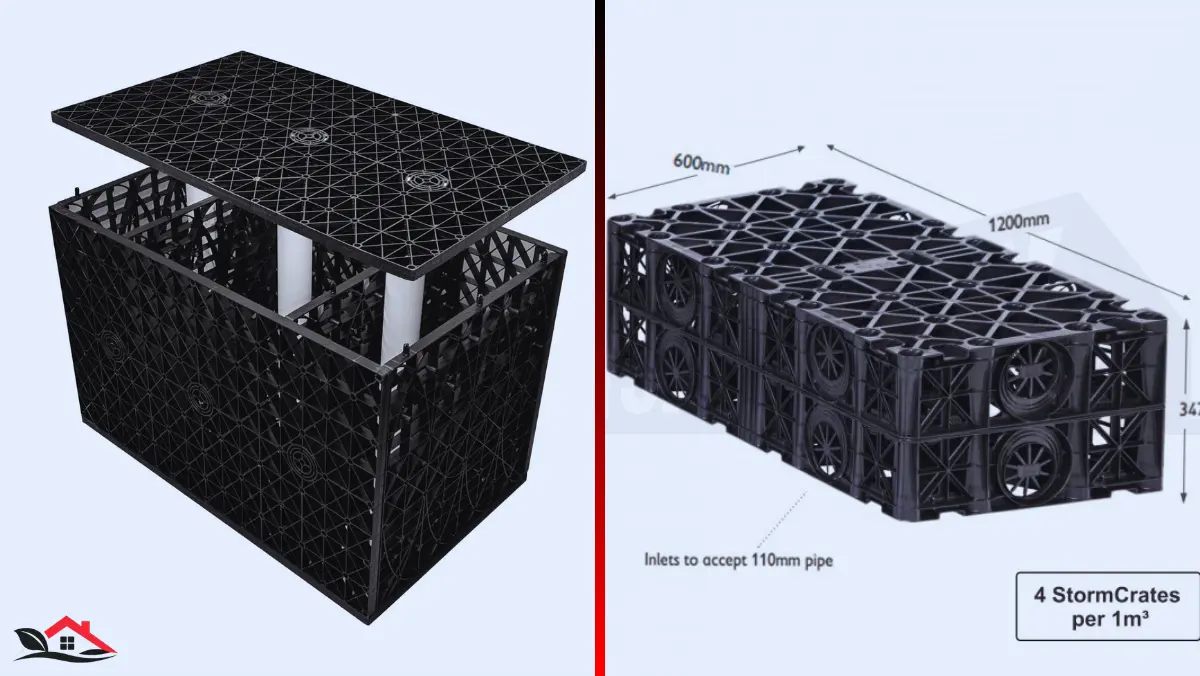
A soakaway crate is a lightweight, modular plastic unit designed to create underground water storage spaces. These crates are installed below the surface and connected to drainage systems that collect rainwater from roofs, patios, and other hard surfaces.
The design of a soakaway crate is its biggest advantage. It features a strong, open-grid structure that allows water to fill the empty space inside while maintaining structural integrity. Most systems offer a void ratio of over 90%, meaning they can store large volumes of water efficiently.
Key Features of a Soakaway Crate
- High water storage capacity
- Strong yet lightweight construction
- Modular design for flexible installation
- Long lifespan with minimal maintenance
- Compatibility with sustainable drainage systems
These features make soakaway crates a modern alternative to traditional drainage methods.
How a Soakaway Crate Works
The working principle of a soakaway crate is simple but highly effective. It manages rainwater in a controlled manner, reducing the risk of flooding and soil erosion.
Step-by-Step Functionality
- Rainwater is collected from surfaces like roofs or driveways
- Water flows through pipes into the soakaway crate system
- The crates temporarily store the water
- Water slowly seeps into the surrounding soil
This gradual infiltration allows the ground to absorb water naturally, preventing sudden surges that could overwhelm drainage systems.
Importance of the Geotextile Membrane
A soakaway crate system is always wrapped in a geotextile membrane. This material allows water to pass through while keeping soil and debris out. Without it, the system would quickly become clogged, reducing efficiency over time.
Benefits of Using a Soakaway Crate
Choosing a soakaway crate system offers several advantages over traditional drainage solutions.
Efficient Water Management
The primary benefit of a soakaway crate is its ability to handle large volumes of water efficiently. It stores runoff and releases it slowly, reducing the risk of flooding.
Long-Term Durability
Made from high-quality plastic, soakaway crates are designed to last for decades. They resist corrosion, degradation, and environmental wear.
Space-Saving Design
Because they are installed underground, soakaway crates do not take up usable surface space. This makes them ideal for residential properties with limited land.
Environmentally Friendly
Soakaway crates support natural water infiltration, helping to recharge groundwater and reduce pressure on public drainage systems.
Reduced Maintenance
Once installed correctly, a soakaway crate system requires minimal upkeep, making it a cost-effective long-term solution.
Soakaway Crate vs Traditional Soakaway
Traditional Soakaway
Older systems typically use rubble or gravel to create voids for water storage. While simple, they have several limitations:
- Low storage capacity
- Prone to clogging
- Inconsistent performance
- Shorter lifespan
Soakaway Crate System
In contrast, a soakaway crate offers:
- High void space for maximum storage
- Predictable and reliable performance
- Resistance to clogging when properly installed
- Easy scalability for different project sizes
This is why modern construction increasingly favors soakaway crate systems.
Types of Soakaway Crate Systems
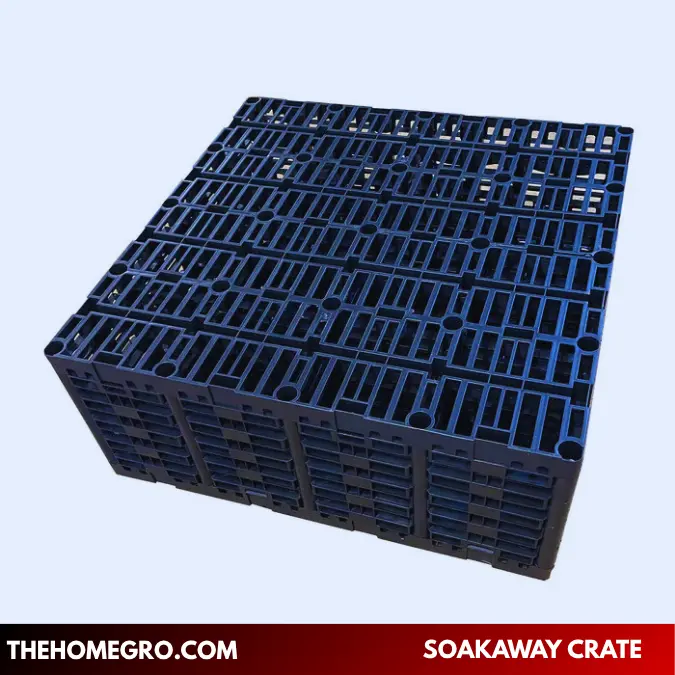
Not all soakaway crate systems are identical. Different types are designed for specific applications.
Modular Crates
These are the most common and can be arranged in various configurations depending on the required capacity.
Heavy-Duty Crates
Designed for areas that experience heavy loads, such as driveways or roads. These crates are reinforced for added strength.
Attenuation Systems
Used in larger developments, these systems are designed to store and control large volumes of water over time.
Applications of Soakaway Crate Systems
A soakaway crate can be used in a wide range of environments.
Residential Applications
- Roof drainage systems
- Garden drainage
- Driveways and patios
Commercial Applications
- Car parks
- Shopping complexes
- Industrial sites
Public Infrastructure
- Roads and highways
- Sports fields
- Public parks
In all these scenarios, soakaway crates help manage water effectively and prevent damage caused by excess runoff.
How to Install a Soakaway Crate
Proper installation is critical to ensure the effectiveness of a soakaway crate system.
Step 1: Site Assessment
Before installation, assess the soil type and drainage capacity. A percolation test is often recommended to determine how well the soil absorbs water.
Step 2: Excavation
Dig a pit large enough to accommodate the required number of crates. Ensure the depth and width meet design specifications.
Step 3: Lining the Pit
Line the excavation with a geotextile membrane. This step is essential to prevent soil ingress.
Step 4: Installing the Crates
Assemble the soakaway crates and place them inside the lined pit. Connect the system to the drainage pipes.
Step 5: Backfilling
Cover the crates with soil or gravel and compact the area to restore the surface.
Factors to Consider When Sizing a Soakaway Crate
Correct sizing is crucial for performance.
Important Factors
- Size of the catchment area
- Local rainfall intensity
- Soil permeability
- Depth of installation
A system that is too small may overflow, while an oversized system may be unnecessarily expensive.
Maintenance of Soakaway Crate Systems
Although soakaway crate systems require minimal maintenance, periodic checks are recommended.
Maintenance Tips
- Inspect inlet pipes for blockages
- Ensure water flows freely into the system
- Check for signs of surface pooling
Warning Signs
- Slow drainage
- Standing water
- Unpleasant odors
Addressing these issues early can prevent system failure.
Limitations of Soakaway Crate Systems
While effective, soakaway crates are not suitable in every situation.
Poor Soil Conditions
Clay-heavy soils do not absorb water well, reducing system efficiency.
Space Constraints
Installation requires sufficient underground space, which may not be available in all locations.
Not for Wastewater
Soakaway crates are designed only for rainwater and should not be used for sewage or contaminated water.
Cost of a Soakaway Crate System
The cost of installing a soakaway crate system depends on several factors:
- Number of crates required
- Site conditions and soil type
- Labor and installation complexity
- Additional materials such as membranes and piping
While the initial cost may be higher than traditional methods, the long-term reliability and low maintenance often justify the investment.
Real-World Example of a Soakaway Crate
Imagine a home where heavy rain consistently causes water to pool in the garden. Installing a soakaway crate connected to the roof drainage system can completely resolve the issue.
The system collects rainwater, stores it temporarily, and gradually releases it into the soil. This not only prevents flooding but also protects the property’s foundation and landscaping.
FAQs About Soakaway Crate
What is a soakaway crate used for?
A soakaway crate is used to collect and disperse rainwater into the ground, preventing flooding and water buildup.
How long does a soakaway crate last?
A well-installed soakaway crate system can last over 50 years.
Can I install a soakaway crate myself?
Small systems can be installed by homeowners, but professional installation is recommended for larger projects.
How deep should a soakaway crate be installed?
Typically between 1 and 2 meters, depending on the design and soil conditions.
Do soakaway crates work in clay soil?
They are less effective in clay soil due to poor drainage.
Are soakaway crates eco-friendly?
Yes, they support natural water infiltration and reduce pressure on drainage systems.
How many soakaway crates are needed?
This depends on the size of the area and the volume of water to be managed.
Can soakaway crates be installed under driveways?
Yes, heavy-duty versions are designed for load-bearing applications.
Do they require maintenance?
Minimal maintenance is needed, mainly periodic inspections.
What happens if a soakaway crate fails?
Water may pool on the surface, indicating blockage or insufficient capacity.
Conclusion
A soakaway crate is a modern, efficient, and sustainable drainage solution that addresses one of the most common problems in construction and landscaping—excess water. Its ability to store and gradually release rainwater makes it an essential component of effective water management systems.
From small residential gardens to large commercial developments, soakaway crate systems provide reliable performance, long-term durability, and environmental benefits. When properly designed and installed, they not only prevent flooding but also contribute to a healthier and more sustainable environment.
As weather patterns become more unpredictable and urban areas continue to grow, investing in a soakaway crate system is a smart and forward-thinking decision for anyone looking to manage water efficiently and protect their property.
You May Also Read: The Home Gro
