

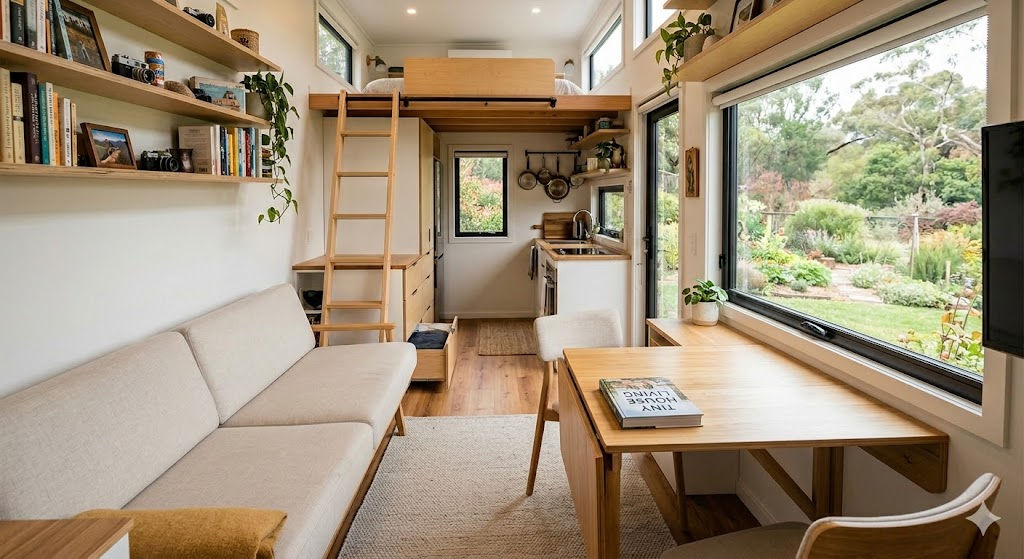
Tiny house living has moved from a fringe idea to a mainstream lifestyle choice embraced by people across the world. What once seemed like an unconventional experiment is now a practical solution for those seeking financial independence, environmental responsibility, and a more intentional way of life. In an age where excess often defines success, tiny house living challenges that notion by proving that less can truly be more.
At its heart, tiny house living is not just about downsizing your home—it’s about upgrading your life. It encourages conscious decisions, thoughtful consumption, and a deeper appreciation for space, time, and resources. Whether you’re drawn to it for economic reasons or philosophical ones, understanding the realities of this lifestyle is essential before making the leap.
What Is Tiny House Living?
Tiny house living refers to residing in a compact home, typically under 400 square feet, designed to maximize efficiency and minimize waste. These homes are carefully planned to include all the essentials of modern living—sleeping areas, kitchens, bathrooms, and storage—within a much smaller footprint than traditional houses.
There are generally two main types of tiny homes: those built on a permanent foundation and those constructed on trailers, allowing for mobility. Both offer unique advantages, but they share the same core philosophy—living simply, efficiently, and intentionally.
Tiny house living is less about the size of the structure and more about the mindset behind it. It involves prioritizing experiences over possessions and creating a living environment that supports your values rather than overwhelms them.
Why Tiny House Living Is Becoming So Popular
The rapid rise of tiny house living is no coincidence. It reflects broader changes in economic conditions, cultural values, and environmental awareness.
One of the most significant drivers is the increasing cost of housing. In many regions, owning a traditional home has become financially out of reach for average earners. Tiny homes offer a more affordable alternative, allowing individuals to own property without decades of debt.
Beyond affordability, there is a growing desire for freedom. Many people feel burdened by mortgages, high utility bills, and the constant need to maintain large homes. Tiny house living removes much of that pressure, creating space—both physically and mentally—for more meaningful pursuits.
Another important factor is the rise of minimalism. As people begin to question consumer culture, they are choosing to simplify their lives. Tiny homes naturally support this mindset by limiting unnecessary accumulation and encouraging mindful living.
Environmental concerns also play a major role. With climate change becoming an urgent global issue, many individuals are looking for ways to reduce their impact. Tiny homes consume fewer resources, generate less waste, and often incorporate sustainable technologies, making them an attractive option for eco-conscious living.
The Financial Reality of Tiny House Living
One of the strongest appeals of tiny house living is its financial advantage. Compared to traditional housing, the cost difference can be dramatic.
Building or buying a tiny home typically requires a much smaller investment. While prices vary depending on design and materials, even high-end tiny homes are often significantly cheaper than conventional houses. For many people, this means avoiding long-term mortgages altogether.
However, it’s important to understand that tiny house living is not completely free of costs. Land is often the largest additional expense, whether purchased or rented. There may also be costs related to utilities, permits, and transportation if the home is mobile.
Despite these factors, ongoing expenses remain considerably lower. Utility bills are reduced due to the smaller space, and maintenance costs are minimal. Over time, these savings can accumulate into substantial financial freedom, allowing individuals to invest, travel, or pursue passions that might otherwise be out of reach.
Environmental Benefits of Tiny House Living
Tiny house living aligns closely with sustainable living principles. The smaller size of these homes naturally reduces resource consumption, making them a more environmentally friendly choice.
Energy usage is one of the most noticeable differences. Heating and cooling a tiny home requires far less energy than a traditional house, leading to lower carbon emissions. Many tiny homeowners also choose to install solar panels or other renewable energy systems, further reducing their environmental impact.
Water usage can also be minimized through efficient fixtures and alternative systems like rainwater collection. Some homes even use composting toilets, reducing the need for traditional plumbing infrastructure.
Additionally, the construction of tiny homes often involves fewer materials, and many builders prioritize recycled or eco-friendly options. This reduces the environmental footprint not only during use but also during the building process.
Ultimately, tiny house living encourages a more conscious relationship with the environment, where every resource is used thoughtfully and responsibly.
The Lifestyle Shift Behind Tiny House Living
Transitioning to tiny house living requires more than just moving into a smaller space—it demands a shift in mindset and daily habits.
One of the most immediate changes is the need to declutter. Living in a tiny home means letting go of unnecessary possessions and keeping only what truly adds value to your life. This process can be challenging at first, but many people find it liberating.
Daily routines also become more intentional. With limited space, organization is essential, and every item must have a designated place. This often leads to more efficient habits and less time spent managing clutter.
Another major shift is the way people use their surroundings. Tiny homeowners tend to spend more time outdoors or in shared community spaces, creating a stronger connection with their environment and neighbors.
Perhaps most importantly, tiny house living often brings a sense of clarity. Without the distractions of excess space and possessions, many individuals find it easier to focus on their goals, relationships, and personal well-being.
Smart Design in Tiny House Living

Design plays a crucial role in making tiny house living both practical and comfortable. Every inch of space must be used efficiently, which requires creativity and thoughtful planning.
Multi-functional furniture is a cornerstone of tiny home design. Beds may fold into walls, stairs double as storage units, and tables can expand or collapse depending on need. These features allow a single space to serve multiple purposes throughout the day.
Vertical space is another key element. Shelving, lofts, and tall cabinets make use of height rather than floor area, significantly increasing storage capacity without sacrificing living space.
Natural light is also essential. Large windows and open layouts help tiny homes feel more spacious and inviting, reducing any sense of confinement.
Overall, the design of a tiny home reflects a balance between form and function, where aesthetics and practicality work together seamlessly.
Challenges of Tiny House Living
While tiny house living offers many benefits, it is not without its challenges. Understanding these limitations is crucial for making an informed decision.
Space constraints are the most obvious issue. Living in a small area can feel restrictive, especially for those accustomed to larger homes. It requires discipline, organization, and a willingness to adapt.
Zoning laws and regulations can also present obstacles. In some areas, it can be difficult to find legal places to park or build a tiny home. Researching local laws is an essential step before committing to this lifestyle.
Privacy can be another concern, particularly for couples or families. With limited space, finding time alone may require creativity and communication.
Finally, the adjustment period can be significant. Downsizing, changing habits, and adapting to a new way of living can take time. However, for many people, the long-term benefits outweigh these initial challenges.
Who Should Consider Tiny House Living?
Tiny house living is not for everyone, but it can be an excellent fit for certain individuals and lifestyles.
It is particularly appealing to those seeking financial freedom. Without the burden of a large mortgage, individuals can achieve greater control over their finances and future.
Minimalists and those interested in simplifying their lives will also find this lifestyle rewarding. Tiny homes naturally support a clutter-free, intentional way of living.
Remote workers and digital nomads may benefit from the mobility that some tiny homes offer, allowing them to live and work from different locations.
Retirees looking to reduce expenses and maintenance responsibilities often find tiny house living to be a practical and fulfilling option.
Ultimately, the ideal candidate is someone willing to prioritize experiences, flexibility, and purpose over space and material accumulation.
How to Transition Into Tiny House Living
Making the transition to tiny house living requires careful planning and realistic expectations.
The first step is understanding your motivations. Knowing why you want to pursue this lifestyle will help guide your decisions and keep you focused during the transition.
Budgeting is another critical aspect. While tiny homes are more affordable, it’s important to account for all potential costs, including land, utilities, and customization.
Choosing the right design is equally important. Your tiny home should reflect your needs and lifestyle, whether that means prioritizing workspace, storage, or mobility.
Downsizing possessions is often the most challenging part of the process. It requires honesty about what you truly need and the willingness to let go of excess.
Finally, researching local regulations ensures that your tiny home complies with legal requirements, avoiding potential issues in the future.
The Future of Tiny House Living
Tiny house living is more than a passing trend—it represents a fundamental shift in how people think about housing and lifestyle. As urban populations grow and environmental concerns become more urgent, smaller and more efficient homes are likely to play an increasingly important role.
Advancements in design and technology will continue to improve the comfort and functionality of tiny homes, making them more accessible to a wider audience. At the same time, changing attitudes toward ownership and consumption will further support the growth of this movement.
Communities built around tiny homes are also emerging, offering shared resources and social connections that enhance the overall living experience.
Conclusion
Tiny house living offers a compelling alternative to traditional housing by combining affordability, sustainability, and intentional living. It challenges conventional ideas about space and success, proving that a fulfilling life does not require excess.
While it comes with its own set of challenges, the rewards—financial freedom, environmental responsibility, and a simplified lifestyle—make it an attractive option for many. By embracing tiny house living, individuals can create a home that reflects their values and supports a more meaningful way of life.
In the end, tiny house living is not just about where you live, but how you choose to live—and for many, that choice leads to greater freedom, clarity, and purpose.
