

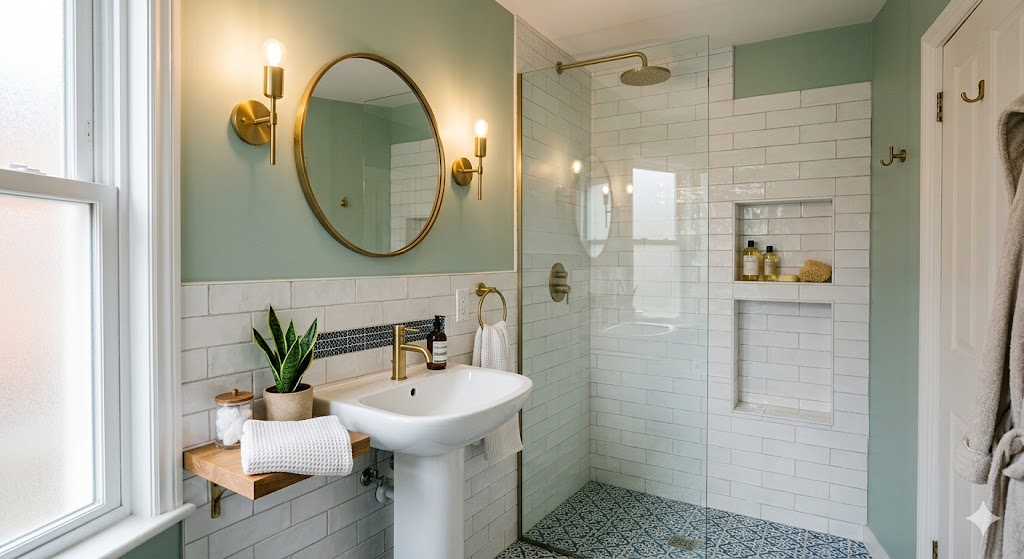
A small bathroom remodel is often one of the most rewarding home improvement projects you can undertake. While limited square footage may seem restrictive at first, it actually forces smarter design decisions, better organization, and more intentional use of space. With the right approach, even the smallest bathroom can become highly functional, visually open, and surprisingly luxurious.
This in-depth guide explores everything you need to know—from planning and design strategies to materials, layouts, and common pitfalls—so you can execute a remodel that is both practical and beautiful.
Why a Small Bathroom Remodel Matters
Bathrooms are among the most frequently used spaces in any home, and their condition has a direct impact on comfort, hygiene, and property value. A poorly designed small bathroom can feel cramped, cluttered, and inefficient. On the other hand, a well-executed small bathroom remodel can completely transform how the space looks and functions.
Unlike larger renovations, small bathrooms require precision. Every decision—whether it’s the placement of a sink or the color of the tiles—plays a role in shaping the overall experience. The goal is not just to make the bathroom look better, but to make it work better.
Planning Your Small Bathroom Remodel
Define Your Priorities
Before starting your small bathroom remodel, it’s important to identify what matters most. Are you trying to improve storage? Update outdated fixtures? Create a more modern look? Or simply make the space feel larger?
Clear priorities will guide your decisions and prevent unnecessary spending. For example, if storage is your main issue, investing in built-in shelving may be more valuable than upgrading decorative finishes.
Evaluate the Existing Layout
Layout is the foundation of any successful remodel. In small bathrooms, changing the layout can be expensive due to plumbing adjustments. If your current layout is functional, it’s often best to work within it and optimize rather than completely redesign.
However, if the space feels cramped or inefficient, small adjustments—such as repositioning a vanity or switching to a wall-mounted toilet—can make a significant difference.
Set a Realistic Budget
A small bathroom remodel can vary widely in cost depending on the level of work involved. Cosmetic updates are relatively affordable, while full renovations with structural changes can be more expensive.
Budget planning should include:
- Fixtures and fittings
- Labor costs
- Materials (tiles, paint, cabinetry)
- Unexpected repairs or upgrades
It’s always wise to set aside a contingency fund to handle surprises during the renovation process.
Smart Design Ideas for Small Bathrooms
Use Light Colors to Open Up the Space
Color plays a critical role in how spacious a room feels. Light, neutral tones such as white, beige, and soft gray reflect light and create a sense of openness. Dark colors, while stylish, can make a small bathroom feel enclosed if not used carefully.
A consistent color palette throughout the bathroom helps eliminate visual breaks, making the space appear larger than it is.
Incorporate Large Mirrors
Mirrors are one of the most effective tools in a small bathroom remodel. A large mirror reflects light and creates the illusion of depth, instantly making the room feel bigger.
For maximum impact, consider installing a mirror that spans the width of the vanity or even an entire wall.
Choose Minimalist Design Elements
In small spaces, less is more. Clean lines, simple fixtures, and uncluttered surfaces contribute to a modern and spacious feel.
Avoid overly decorative elements that can overwhelm the space. Instead, focus on functionality and subtle elegance.
Maximizing Storage Without Clutter
Utilize Vertical Space
When floor space is limited, vertical storage becomes essential. Installing tall cabinets or open shelves allows you to store essentials without taking up valuable floor area.
Wall-mounted storage solutions keep the bathroom organized while maintaining a clean look.
Opt for Built-In Storage
Built-in features such as recessed shelves or shower niches are ideal for small bathrooms. They provide storage without protruding into the room, helping maintain a streamlined appearance.
Choose Multi-Functional Furniture
Furniture that serves multiple purposes is a smart choice in a small bathroom remodel. For example:
- Vanities with built-in drawers
- Mirrors with hidden storage
- Benches with storage compartments
These options maximize efficiency without sacrificing style.
Selecting the Right Fixtures
Compact and Wall-Mounted Fixtures
Wall-mounted fixtures are a game changer in small bathrooms. By freeing up floor space, they create a more open and airy environment.
Popular options include:
- Wall-mounted sinks
- Floating vanities
- Compact toilets
These designs not only save space but also add a modern touch.
Space-Saving Shower Designs
Showers are often the focal point of a small bathroom remodel. Walk-in showers with frameless glass doors are particularly effective because they remove visual barriers and allow light to flow freely.
Sliding or bi-fold doors are also excellent choices when space is tight.
Choosing Materials That Enhance Space
Tiles That Create Visual Continuity
Tiles can dramatically influence how a bathroom feels. Large-format tiles reduce the number of grout lines, creating a seamless look that makes the space appear larger.
Using the same tile on both the floor and walls can further enhance continuity and openness.
Durable and Moisture-Resistant Finishes
Bathrooms are exposed to constant moisture, so durability is key. Choose materials that can withstand humidity and are easy to maintain.
Good options include:
- Porcelain tiles
- Ceramic tiles
- Waterproof wall panels
These materials ensure longevity while maintaining a polished appearance.
Lighting: The Key to a Spacious Feel
Lighting is often overlooked, but it plays a crucial role in a small bathroom remodel. A well-lit bathroom feels more open, inviting, and functional.
Layered Lighting Approach
Combining different types of lighting creates depth and improves usability:
- Ambient lighting for overall brightness
- Task lighting around mirrors for grooming
- Accent lighting for visual interest
LED lighting is particularly effective due to its brightness and energy efficiency.
Layout Optimization Techniques
Improve Flow and Accessibility
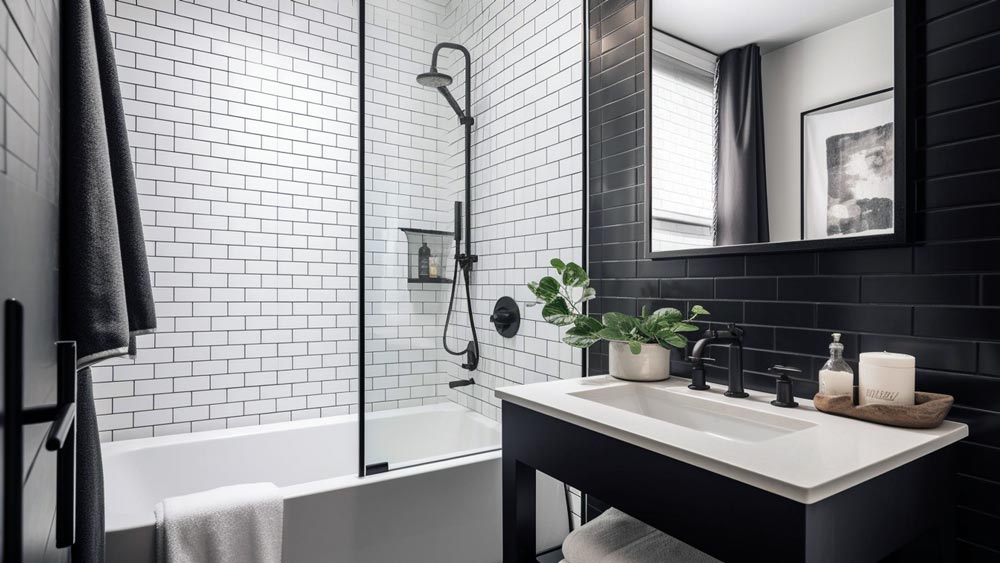
A well-optimized layout ensures that movement within the bathroom is smooth and unobstructed. Avoid placing fixtures too close together, and ensure that doors and cabinets can open freely.
Even small adjustments—such as repositioning a towel rack—can improve functionality.
Keep It Simple
Overcomplicating the layout can lead to a cramped and cluttered space. Focus on essential elements and eliminate anything unnecessary.
Budget-Friendly Small Bathroom Remodel Ideas
Not every remodel requires a large investment. Simple updates can make a significant impact without breaking the bank.
Affordable ideas include:
- Repainting walls
- Updating hardware and fixtures
- Replacing outdated lighting
- Adding new accessories like mirrors and shelves
These changes can refresh the bathroom and improve its overall look and feel.
High-End Upgrades for a Luxury Feel
For those looking to elevate their small bathroom remodel, luxury features can add comfort and sophistication.
Popular upgrades include:
- Heated flooring
- Rainfall showerheads
- Custom cabinetry
- Designer tiles
While these features increase costs, they can significantly enhance the overall experience.
Common Mistakes to Avoid
Overloading the Space
Trying to include too many features in a small bathroom can backfire. Stick to essentials and prioritize functionality.
Ignoring Ventilation
Proper ventilation is critical to prevent moisture buildup and mold growth. A good exhaust fan is a must-have in any bathroom remodel.
Choosing Oversized Fixtures
Large fixtures can dominate a small space and make it feel cramped. Always select appropriately sized options.
Poor Lighting Choices
Insufficient or poorly placed lighting can make the bathroom feel smaller and less inviting.
Real-Life Impact of a Small Bathroom Remodel
Many homeowners find that a small bathroom remodel delivers one of the highest returns on investment among home improvement projects. Beyond financial value, the daily convenience and comfort it provides are equally important.
A well-designed small bathroom can:
- Improve morning routines
- Reduce clutter and stress
- Enhance the overall aesthetic of the home
These benefits make the effort and investment worthwhile.
Conclusion: Turning Limitations into Opportunities
A small bathroom remodel is not about working around limitations—it’s about transforming them into opportunities for smarter design. With thoughtful planning, efficient layouts, and the right materials, even the smallest bathroom can become a functional and stylish space.
By focusing on what truly matters—space optimization, lighting, storage, and simplicity—you can create a bathroom that feels larger, works better, and looks exceptional.
