

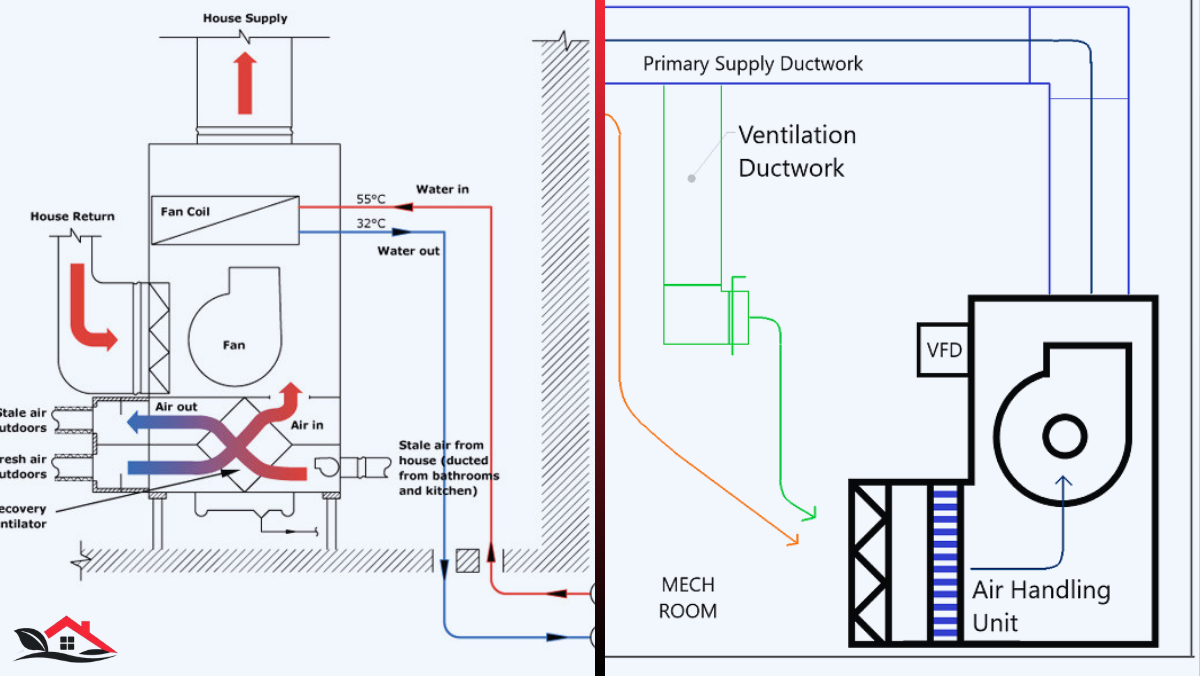
Introduction to Primary Air Unit
A primary air unit is a critical component in modern HVAC (heating, ventilation, and air conditioning) systems, designed to supply fresh, conditioned outdoor air into a building. Unlike traditional systems that combine ventilation and temperature control into a single process, a primary air unit focuses specifically on delivering clean air while managing humidity and air quality with precision.
As building standards evolve and indoor air quality becomes a top priority, the role of the primary air unit has become increasingly important. From commercial offices to hospitals and high-rise residential buildings, these systems are now widely used to create healthier, more energy-efficient indoor environments.
This comprehensive guide explains everything you need to know about a primary air unit, including how it works, its components, benefits, design considerations, and real-world applications.
What Is a Primary Air Unit?
Definition of Primary Air Unit
A primary air unit is an HVAC system component responsible for supplying pre-treated outdoor air into a building. This air is filtered, temperature-controlled, and dehumidified before it is distributed to different indoor spaces.
The key distinction of a primary air unit lies in its purpose: it handles ventilation independently from heating and cooling systems. This approach ensures consistent fresh air delivery while allowing other systems to focus solely on maintaining indoor temperature.
Core Principle Behind Primary Air Unit Systems
The main concept behind a primary air unit is decoupling ventilation from thermal loads. Instead of relying on a single system to handle everything, the responsibilities are divided:
- The primary air unit manages fresh air and humidity
- Secondary systems handle heating and cooling
This separation improves efficiency, flexibility, and overall system performance.
How a Primary Air Unit Works
Outdoor Air Intake
The operation of a primary air unit begins with drawing in outdoor air. This air enters through intake dampers that regulate the volume of incoming airflow.
Filtration Process
Once inside the unit, the air passes through multiple filters designed to remove:
- Dust
- Pollen
- Smoke particles
- Microorganisms (in advanced systems)
High-efficiency filtration ensures that only clean air enters the building, which is especially important in sensitive environments like healthcare facilities.
Cooling, Heating, and Dehumidification
After filtration, the primary air unit conditions the air using:
- Cooling coils to reduce temperature
- Heating elements for colder climates
- Dehumidifiers to control moisture levels
Humidity control is one of the biggest advantages of a primary air unit. By removing excess moisture before air enters the space, it prevents mold growth and improves comfort.
Energy Recovery
Many modern primary air units include energy recovery systems. These systems transfer heat between outgoing and incoming air streams, reducing the energy required to condition fresh air.
Air Distribution
Finally, the conditioned air is delivered through ductwork to various zones in the building. Depending on the design, the air may go directly into occupied spaces or feed into secondary HVAC units.
Components of a Primary Air Unit
Air Filters
Filters are essential for maintaining indoor air quality. Multi-stage filtration systems can capture both large and microscopic particles.
Fans and Blowers
Fans are responsible for moving air through the system and into the building. Proper fan selection ensures consistent airflow and energy efficiency.
Heating and Cooling Coils
These components adjust the temperature of incoming air. They may use chilled water, hot water, or refrigerant depending on the system design.
Heat Exchangers
Heat exchangers enable energy recovery by transferring thermal energy between air streams without mixing them.
Control Systems
Advanced control systems monitor and adjust:
- Airflow rates
- Temperature
- Humidity
- System performance
Smart controls improve efficiency and allow for automation.
Types of Primary Air Unit Systems
Dedicated Outdoor Air Systems
A common application of a primary air unit is within a Dedicated Outdoor Air System (DOAS). These systems provide 100% fresh air and handle ventilation independently.
Centralized Primary Air Units
Centralized systems serve large buildings from a single location, distributing air through extensive duct networks.
Decentralized Primary Air Units
These are smaller, localized units used in modular buildings or spaces where centralized systems are impractical.
Benefits of Using a Primary Air Unit
Improved Indoor Air Quality
A primary air unit ensures a continuous supply of clean, filtered outdoor air, reducing indoor pollutants and improving occupant health.
Superior Humidity Control
By managing moisture levels independently, the system prevents condensation, mold growth, and discomfort.
Energy Efficiency
Energy recovery systems reduce the load on heating and cooling equipment, leading to lower energy consumption.
Enhanced Comfort
Consistent ventilation and precise control of temperature and humidity create a more comfortable indoor environment.
Reduced HVAC Load
Separating ventilation from thermal conditioning allows other HVAC systems to operate more efficiently and last longer.
Applications of Primary Air Units
Commercial Buildings
Office buildings, shopping centers, and hotels use primary air units to maintain high indoor air quality and meet ventilation standards.
Healthcare Facilities
Hospitals and clinics require strict air quality control. Primary air units help maintain sterile environments and reduce airborne contamination.
Educational Institutions
Schools and universities benefit from improved air quality, which can enhance student performance and well-being.
Industrial Facilities
Factories use these systems to control air quality and humidity, protecting both workers and equipment.
Residential Buildings
High-rise apartments and modern homes increasingly use primary air units for better comfort and efficiency.
Primary Air Unit vs Traditional HVAC Systems
Key Differences
Traditional HVAC systems mix fresh air with return air and attempt to handle ventilation, heating, and cooling simultaneously. This often leads to inconsistent humidity control and reduced efficiency.
A primary air unit, on the other hand:
- Supplies dedicated fresh air
- Separates ventilation from heating and cooling
- Provides better humidity control
Why Primary Air Units Are Preferred
With growing awareness of indoor air quality and energy efficiency, many engineers and designers now prefer systems that include a primary air unit.
Design Considerations for Primary Air Units
Proper Sizing
Accurate sizing ensures the system can meet ventilation requirements without wasting energy.
Climate Adaptation
Systems must be designed based on local climate conditions, especially in regions with high humidity or extreme temperatures.
Integration with Other Systems
Primary air units should work seamlessly with other HVAC components such as fan coil units or chilled beams.
Maintenance Planning
Regular maintenance, including filter replacement and system inspection, is essential for long-term performance.
Challenges of Primary Air Units
Higher Initial Investment
The upfront cost of installing a primary air unit can be higher than traditional systems due to additional components and complexity.
Space Requirements
These systems may require more space for ductwork and equipment.
Complex Design
Proper design and installation require skilled professionals to ensure optimal performance.
Future Trends in Primary Air Unit Technology
Smart Automation
Advanced sensors and automation systems allow real-time monitoring and optimization of performance.
Energy Optimization
New technologies are improving energy recovery and reducing operating costs.
Sustainable Building Integration
Primary air units are increasingly used in green building designs to meet environmental standards.
Frequently Asked Questions About Primary Air Unit
What is a primary air unit used for?
A primary air unit is used to supply clean, conditioned outdoor air into a building while controlling humidity and improving indoor air quality.
How is a primary air unit different from an air handling unit?
While both systems handle air, a primary air unit focuses specifically on ventilation and fresh air supply, whereas an air handling unit may handle mixed air and broader HVAC functions.
Does a primary air unit improve energy efficiency?
Yes, especially when equipped with energy recovery systems, it reduces the overall energy demand of the building.
Is a primary air unit necessary for all buildings?
Not all buildings require one, but it is highly beneficial in environments where air quality, humidity control, and energy efficiency are priorities.
Can a primary air unit work with existing HVAC systems?
Yes, it can be integrated with existing systems to improve ventilation and overall performance.
Conclusion
A primary air unit is a cornerstone of modern HVAC design, offering a smarter and more efficient approach to ventilation and air quality management. By separating the tasks of ventilation and temperature control, it delivers cleaner air, better humidity control, and improved energy efficiency.
As buildings continue to evolve toward healthier and more sustainable environments, the importance of the primary air unit will only grow. Whether in commercial, industrial, or residential settings, it provides a reliable solution for achieving optimal indoor comfort and performance.
You May Also Read: The Home Gro
