

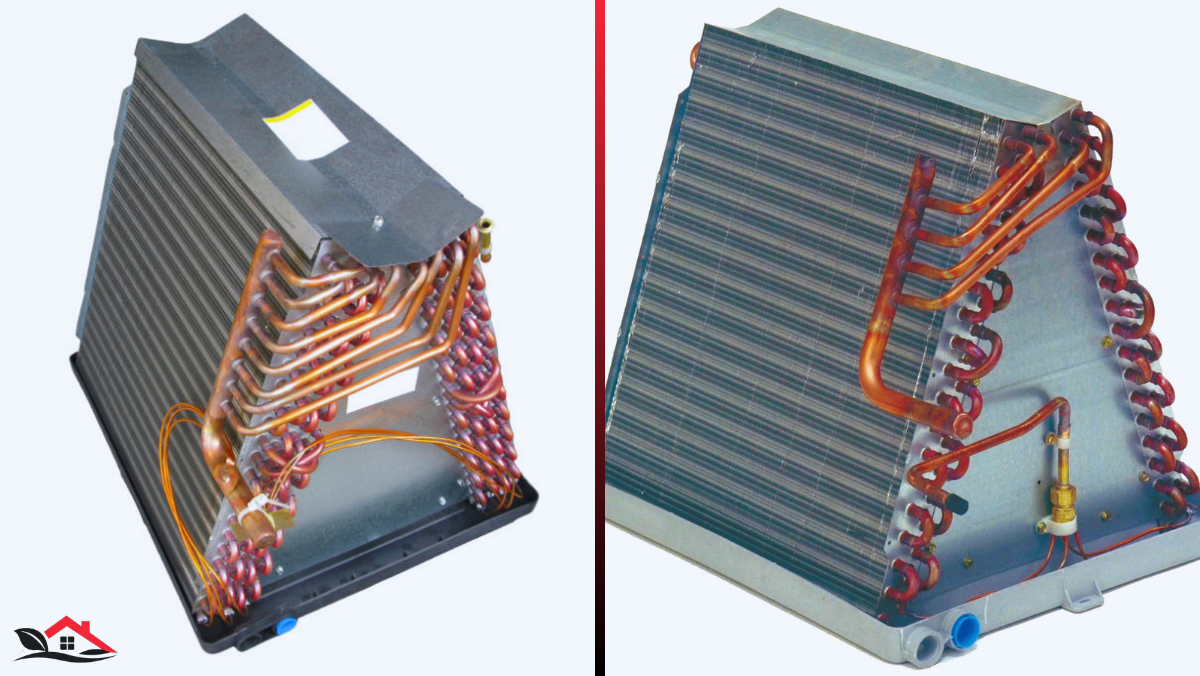
Introduction to Evaporator Coil
The evaporator coil is one of the most essential components in any air conditioning or heat pump system. Although it remains hidden inside your indoor unit, its role is central to keeping your home cool, comfortable, and energy-efficient. Without a properly functioning evaporator coil, your HVAC system simply cannot deliver effective cooling.
At its core, the evaporator coil is responsible for absorbing heat from indoor air. As warm air passes over the coil, the refrigerant inside absorbs that heat, transforming it into a cooler, more comfortable airflow. This process also removes excess humidity, making your indoor environment more pleasant.
Understanding the evaporator coil—how it works, why it matters, and how to maintain it—can help homeowners avoid costly repairs and ensure long-term system performance.
What Is an Evaporator Coil?
An evaporator coil is a key part of the indoor section of an HVAC system. It consists of a series of metal tubes, usually made of copper, aluminum, or a combination of both, through which refrigerant flows. Surrounding these tubes are thin metal fins that enhance heat transfer.
The coil is typically located inside the air handler or mounted on top of the furnace in central air systems. Its design allows it to maximize surface area, ensuring efficient heat absorption from the air passing over it.
Key Features of an Evaporator Coil
- Contains refrigerant that absorbs heat
- Built with conductive metals for efficient heat transfer
- Designed with fins to increase surface area
- Installed in the indoor unit of HVAC systems
The evaporator coil acts as the primary heat absorber in the cooling cycle, making it a critical component for indoor comfort.
How an Evaporator Coil Works
To fully understand the importance of the evaporator coil, it helps to look at how it operates within the refrigeration cycle.
Heat Absorption Process
When your air conditioner is running, it pulls warm air from inside your home and directs it across the evaporator coil. The refrigerant inside the coil is extremely cold, allowing it to absorb heat from the air quickly.
Refrigerant Transformation
As the refrigerant absorbs heat, it changes from a liquid into a gas. This phase change is what enables efficient cooling. The heat is now stored in the refrigerant rather than in the air.
Cooling and Dehumidification
As heat is removed, the air becomes cooler. At the same time, moisture in the air condenses on the surface of the coil. This condensation is drained away, reducing indoor humidity levels.
Heat Transfer to the Outdoor Unit
The heated refrigerant travels to the outdoor condenser unit, where it releases the absorbed heat. Once cooled, it returns to the evaporator coil to repeat the cycle.
This continuous process ensures consistent cooling throughout your home.
Why the Evaporator Coil Is Important
The evaporator coil plays a vital role in the overall performance of your HVAC system. Its efficiency directly impacts your comfort, energy usage, and indoor air quality.
Cooling Efficiency
A clean and well-functioning evaporator coil allows for efficient heat transfer. This means your system can cool your home faster while using less energy.
Humidity Control
By removing moisture from the air, the evaporator coil helps maintain comfortable humidity levels. This is especially important in humid climates where excess moisture can lead to discomfort and mold growth.
Energy Savings
When the evaporator coil operates efficiently, your HVAC system does not have to work as hard. This reduces energy consumption and lowers utility bills.
Indoor Air Quality
The coil indirectly contributes to better air quality by supporting proper airflow and reducing moisture that can promote mold and bacteria growth.
Types of Evaporator Coil Designs
Different HVAC systems use different types of evaporator coil designs. Each type is engineered for specific performance needs.
A-Coil
The A-coil is the most common design. Shaped like the letter “A,” it provides a large surface area for heat transfer and is widely used in residential systems.
N-Coil
The N-coil offers a more advanced design with increased surface area and improved efficiency. It is commonly found in high-efficiency systems.
Slab Coil
Slab coils are flat and compact, making them suitable for smaller systems or limited spaces. While less efficient than A or N coils, they are still effective in certain applications.
Common Problems with Evaporator Coil
Over time, the evaporator coil can develop issues that affect system performance. Recognizing these problems early can prevent costly repairs.
Dirty Evaporator Coil
Dust and debris can accumulate on the coil, reducing its ability to absorb heat. This leads to decreased cooling efficiency.
Refrigerant Leaks
Leaks in the coil can cause a drop in refrigerant levels, resulting in poor cooling performance and potential system damage.
Frozen Evaporator Coil
Restricted airflow or low refrigerant levels can cause the coil to freeze. This blocks airflow and may shut down the system.
Corrosion
Exposure to moisture and chemicals can lead to corrosion, weakening the coil and increasing the risk of leaks.
Drainage Issues
If the condensate drain becomes blocked, water can back up and cause leaks or damage to the system.
Signs Your Evaporator Coil Needs Attention
Knowing the warning signs of evaporator coil problems can help you take action before the issue becomes serious.
Reduced Cooling Performance
If your home is not cooling as effectively as before, the evaporator coil may be dirty or damaged.
Weak Airflow
Poor airflow can indicate a clogged or frozen coil.
Warm Air from Vents
If your AC is blowing warm air, the evaporator coil may not be functioning properly.
Unusual Odors
Musty smells can result from mold or mildew buildup on the coil.
High Energy Bills
An inefficient evaporator coil forces the system to work harder, increasing energy consumption.
Evaporator Coil Maintenance Tips
Proper maintenance is essential for keeping your evaporator coil in good condition.
Regular Cleaning
Professional cleaning removes dust and debris that can reduce efficiency.
Replace Air Filters
Dirty filters restrict airflow, which can strain the evaporator coil and lead to freezing.
Inspect Drain Lines
Ensure that condensate drains are clear to prevent water buildup.
Check Refrigerant Levels
Low refrigerant can damage the coil and reduce system performance.
Schedule Annual Maintenance
Routine inspections by HVAC professionals can identify issues early and extend the life of your system.
When to Replace an Evaporator Coil
Even with proper maintenance, an evaporator coil will eventually need replacement.
Signs Replacement Is Needed
- Frequent refrigerant leaks
- Severe corrosion
- Repeated freezing issues
- Significant drop in efficiency
Lifespan of an Evaporator Coil
Most evaporator coils last between 10 and 15 years. However, factors such as usage, maintenance, and environmental conditions can affect lifespan.
Cost Considerations
Replacing an evaporator coil can be expensive, depending on the system size and complexity. In some cases, replacing the entire HVAC system may be more cost-effective, especially if it is older.
Evaporator Coil vs Condenser Coil
Understanding the difference between these two components is important for a complete picture of how your HVAC system works.
Evaporator Coil
- Located indoors
- Absorbs heat from indoor air
- Cools and dehumidifies
Condenser Coil
- Located outdoors
- Releases heat into the environment
- Completes the cooling cycle
Both coils work together to maintain a comfortable indoor temperature.
Energy Efficiency and Evaporator Coil Performance
The performance of the evaporator coil has a direct impact on your system’s energy efficiency.
Factors That Affect Efficiency
- Cleanliness of the coil
- Proper airflow
- Correct refrigerant levels
- Coil material and design
Benefits of High Efficiency
- Lower energy bills
- Faster cooling
- Reduced wear and tear
- Longer system lifespan
Investing in proper maintenance ensures that your evaporator coil operates at peak efficiency.
Real-World Example of Evaporator Coil Function
Imagine a hot summer afternoon when indoor temperatures rise quickly. As your air conditioner runs, warm air is pulled into the system and passes over the evaporator coil. The refrigerant inside absorbs the heat, cooling the air before it is circulated back into your home.
At the same time, moisture in the air condenses on the coil and drains away, leaving your indoor environment cooler and less humid. This continuous cycle keeps your home comfortable even during extreme heat.
FAQ About Evaporator Coil
What does an evaporator coil do?
An evaporator coil absorbs heat and moisture from indoor air, cooling and dehumidifying it before it is recirculated.
Where is the evaporator coil located?
It is typically located inside the air handler or attached to the furnace in a central HVAC system.
How long does an evaporator coil last?
Most evaporator coils last 10 to 15 years with proper maintenance.
Can a dirty evaporator coil affect performance?
Yes, dirt buildup reduces heat transfer, leading to poor cooling and higher energy bills.
Why does an evaporator coil freeze?
Freezing can occur due to restricted airflow, dirty filters, or low refrigerant levels.
Is evaporator coil replacement expensive?
Yes, replacement can be costly, but it depends on system size, coil type, and labor requirements.
Conclusion
The evaporator coil is the heart of your HVAC system’s cooling process. It plays a crucial role in absorbing heat, reducing humidity, and maintaining indoor comfort. Despite being out of sight, its performance directly affects your energy bills, air quality, and overall system efficiency.
By understanding how the evaporator coil works and following proper maintenance practices, you can extend its lifespan and avoid costly repairs. Regular inspections, timely cleaning, and professional servicing are key to keeping your HVAC system running smoothly.
Whether you are a homeowner looking to improve comfort or someone exploring HVAC systems, the evaporator coil remains a fundamental component that should never be overlooked.
You May Also Read: The Home Gro
