

A clogged drain is one of the most common household problems, yet it’s often handled incorrectly. Whether it’s a slow-draining sink, a standing pool of water in the shower, or a completely blocked pipe, understanding how to unclog a drain properly can save you from costly repairs and long-term plumbing damage.
This in-depth guide is designed to give you real, practical solutions based on proven methods used by professionals. From quick fixes to advanced techniques, you’ll learn exactly what works, when to use it, and how to prevent the problem from returning.
Why It’s Important to Know How to Unclog a Drain
Clogged drains are more than just an inconvenience. Left untreated, they can lead to:
- Pipe corrosion and long-term damage
- Water leaks and structural issues
- Unpleasant odors and bacterial growth
- Increased repair costs
Knowing how to unclog a drain gives you control over these situations and allows you to act quickly before minor issues turn into major ones.
What Causes Drain Clogs in the First Place
To effectively fix a clog, you need to understand what’s blocking the flow.
Common Materials That Cause Blockages
- Hair: One of the biggest causes of bathroom drain clogs
- Grease and oil: Solidify inside kitchen pipes
- Soap residue: Builds up and traps debris
- Food particles: Especially in sinks without proper strainers
- Mineral buildup: Common in areas with hard water
Most clogs develop gradually, meaning early action can often prevent a full blockage.
How to Unclog a Drain: Start with Simple Solutions
The best approach is always to begin with the least aggressive method. Many clogs can be resolved without tools or chemicals.
Flush with Hot Water
Hot water is one of the simplest and most effective ways to break down grease and soap buildup.
Pour a steady stream of hot (not boiling) water into the drain. Repeat a few times to loosen and wash away debris.
Use Dish Soap for Grease Clogs
Dish soap helps dissolve grease and acts as a lubricant.
- Add a few tablespoons of dish soap
- Follow with hot water
- Wait several minutes before flushing again
This works particularly well in kitchen sinks.
How to Unclog a Drain Using Baking Soda and Vinegar
This natural solution is widely used because it’s safe, affordable, and easy to apply.
Step-by-Step Method
- Pour hot water into the drain
- Add half a cup of baking soda
- Pour one cup of vinegar
- Cover the drain and let it sit for 10–15 minutes
- Flush with hot water
The chemical reaction helps loosen organic buildup and clear minor obstructions.
Best Uses
- Light clogs
- Odor removal
- Preventive maintenance
While effective for small issues, this method may not resolve heavy blockages.
How to Unclog a Drain with a Plunger
A plunger is one of the most reliable tools for clearing clogs quickly.
Proper Technique
- Ensure there’s enough water to cover the plunger head
- Create a tight seal over the drain
- Push down and pull up rapidly
- Repeat 15–20 times
The pressure helps dislodge the clog and restore normal flow.
Common Mistake to Avoid
Many people don’t create a proper seal, which reduces effectiveness. Always block overflow openings for better suction.
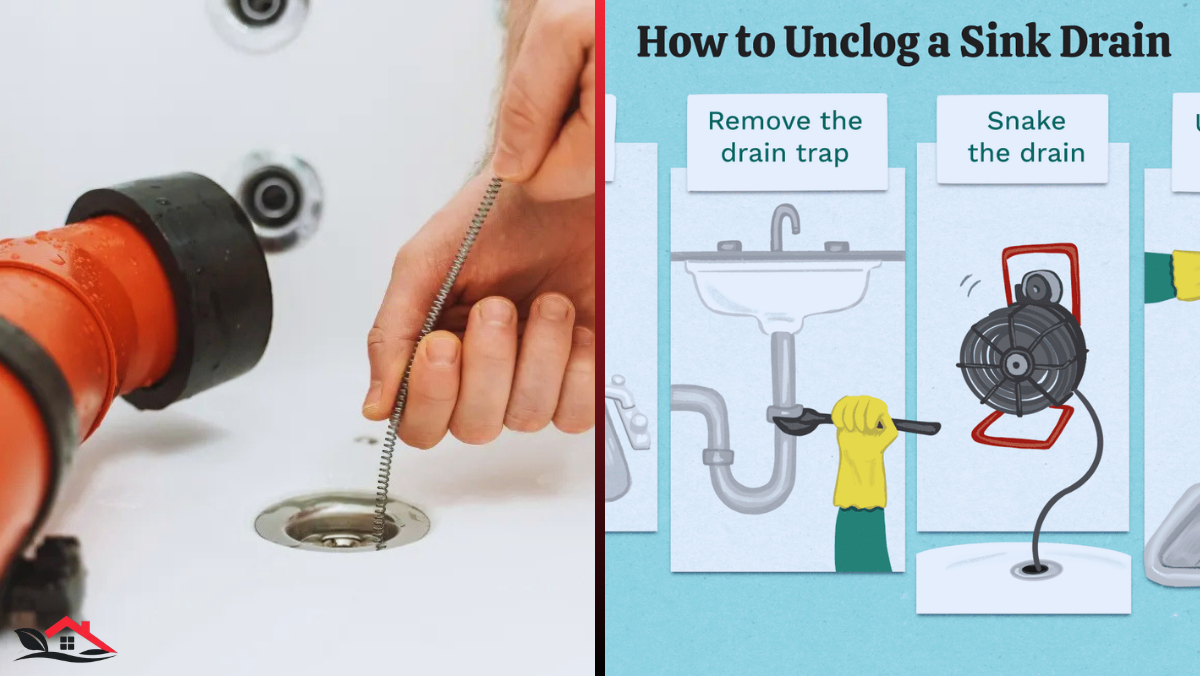
How to Unclog a Drain Using a Drain Snake
When basic methods fail, a drain snake is the next step.
What Is a Drain Snake?
It’s a flexible tool designed to reach deep into pipes and physically remove or break apart clogs.
How to Use It
- Insert the snake into the drain
- Rotate the handle while pushing forward
- When resistance is felt, work the clog loose
- Pull out debris carefully
- Flush the drain with hot water
This method is especially effective for hair and stubborn debris.
How to Unclog a Drain by Cleaning the P-Trap
The P-trap is the curved pipe beneath sinks, and it’s a frequent clog point.
Step-by-Step Guide
- Place a bucket underneath
- Unscrew the pipe connections
- Remove and clean out debris
- Reassemble the pipe
- Test for leaks
Although slightly more involved, this method can completely eliminate persistent clogs.
How to Unclog a Drain in Different Areas of the Home
Different drains require slightly different approaches.
Bathroom Sink Drains
Usually clogged with hair and soap buildup. Use a combination of:
- Drain snake
- Baking soda and vinegar
- Manual cleaning
Shower and Bathtub Drains
Hair is the primary culprit. A drain snake or hair removal tool is most effective.
Kitchen Sink Drains
Grease and food waste are common causes. Use:
- Dish soap and hot water
- Plunger
- Avoid harsh chemicals if possible
When to Use Chemical Drain Cleaners
Chemical cleaners can be effective, but they should be used with caution.
Advantages
- Quick and easy
- Effective on certain organic clogs
Risks
- Can damage pipes over time
- Harmful if misused
- Not effective for solid blockages
Use them sparingly and only when other methods fail.
What Not to Do When Learning How to Unclog a Drain
Avoiding mistakes is critical for protecting your plumbing system.
Common Errors
- Pouring grease down the drain
- Using excessive force with tools
- Mixing chemical cleaners
- Ignoring early warning signs
These actions can worsen the problem and lead to expensive repairs.
Preventing Drain Clogs Before They Start
Prevention is the most effective long-term strategy.
Practical Tips
- Install drain strainers
- Dispose of grease in containers, not sinks
- Run hot water after each use
- Clean drains monthly with natural solutions
- Remove visible debris regularly
Consistent maintenance significantly reduces the chances of major clogs.
Signs You Need a Professional Plumber
Not all clogs can be handled at home.
Warning Signs
- Repeated clogs in the same drain
- Multiple drains backing up at once
- Persistent foul odors
- Water backing up in unexpected places
These may indicate deeper issues in your plumbing system that require professional equipment.
FAQ: How to Unclog a Drain
What is the easiest way to unclog a drain?
The easiest method is flushing with hot water or using a plunger. These solutions work for most minor clogs.
Can baking soda and vinegar damage pipes?
No, this method is safe for most plumbing systems and is commonly used for maintenance.
How often should I clean my drains?
A monthly cleaning routine is ideal to prevent buildup and maintain smooth flow.
Why does my drain keep clogging?
Recurring clogs usually indicate deeper buildup or an issue further down the pipe.
Is it better to use tools or chemicals?
Mechanical tools like plungers and snakes are generally safer and more effective than chemicals.
Conclusion: A Smarter Approach to How to Unclog a Drain
Understanding how to unclog a drain is not just about fixing a blockage—it’s about doing it safely, effectively, and in a way that prevents future problems.
Start with simple methods like hot water and natural cleaners. If the clog persists, move on to tools like plungers and drain snakes. Reserve chemical cleaners for last, and don’t hesitate to call a professional when needed.
With the right approach and a little regular maintenance, clogged drains can become a rare and manageable issue instead of a recurring frustration.
You May Also Read: The Home Gro
